


دمج التكنولوجيا في تصميم بارات الفنادق
- لماذا تحتاج الحانات الحديثة إلى التكنولوجيا؟
- توقعات الضيوف وسلوكهم
- الضغوط التشغيلية وعائد الاستثمار
- اعتبارات الامتثال والسلامة والصحة
- التقنيات الرئيسية التي يجب دمجها في تصميم بارات الفنادق
- نقاط البيع، والمدفوعات، وواجهات المستخدم الخاصة بالضيوف
- التحكم الذكي في الإضاءة والصوت والأجواء
- أتمتة المخزون والتوزيع والعمليات الخلفية
- مبادئ التصميم لمزج التكنولوجيا والجماليات
- تصميم الأثاث، وبيئة العمل، وتدفق الخدمة
- التكنولوجيا المرئية مقابل التكنولوجيا غير المرئية
- الصوتيات، وتكامل الإضاءة، وراحة الضيوف
- خارطة طريق التنفيذ وتحليل التكلفة والعائد
- التنفيذ التدريجي واختيار الموردين
- تدريب الموظفين، وإجراءات التشغيل القياسية، وإدارة التغيير
- قياس النجاح: مؤشرات الأداء الرئيسية التي يجب تتبعها
- اعتبارات الحالة والاتجاهات المستقبلية
- اتجاهات الخدمات اللاتلامسية والذاتية التشغيل
- الاستدامة، وإدارة الطاقة، والمصادر الذكية
- التخصيص، خصوصية البيانات، والاستخدام الأخلاقي
- اختيار شريك في مجال الأثاث والتصنيع لتصميم بار متطور تقنياً
- ما الذي يجب البحث عنه عند اختيار شركاء أثاث بارات الفنادق؟
- لماذا تختار مينغسون لمشاريع بارات وصالات الفنادق؟
- قائمة مرجعية عملية لدمج التكنولوجيا في تصميم بار فندقك
- الأسئلة الشائعة
- 1. ما هي التقنيات التي تحقق أسرع عائد على الاستثمار في تصميم بارات الفنادق؟
- 2. كيف يمكنني إخفاء الأجهزة الإلكترونية بحيث يظل البار أنيقاً؟
- 3. هل أنظمة التوزيع الذكية مناسبة للفنادق الصغيرة والفاخرة؟
- 4. كيف يمكن للتكنولوجيا أن تُحسّن استدامة الحانات؟
- 5. ما هي المخاطر الرئيسية عند إضافة التكنولوجيا إلى حانة؟
- 6. كيف يمكنني وضع ميزانية للتكنولوجيا في عملية تجديد البار؟
- المراجع والقراءات الإضافية
لماذا تحتاج الحانات الحديثة إلى التكنولوجيا؟
توقعات الضيوف وسلوكهم
يتوقع نزلاء الفنادق اليوم تجارب سلسة وسريعة وشخصية. وقد أصبح الطلب عبر الهاتف المحمول، والدفع الإلكتروني، وأنظمة التحكم الذكية في أجواء الفندق جزءًا أساسيًا من التوقعات في جميع قطاعات الضيافة. وفي سياق تصميم بارات الفنادق، تؤثر التكنولوجيا بشكل مباشر على سرعة الخدمة، وتخصيصها، وسهولة استخدامها، وكلها عوامل تسهم في رضا النزلاء والحصول على تقييمات إيجابية.
الضغوط التشغيلية وعائد الاستثمار
تُعدّ تكاليف العمالة والمخزون مرتفعة في حانات الفنادق. وتُسهم التقنيات الحديثة، مثل أنظمة نقاط البيع المتكاملة، وأنظمة إدارة المخزون الآلية، وأنظمة توزيع البيرة، ومنصات التحليلات، في تقليل الهدر، وتسريع الخدمة، وتحسين تتبع الأرباح. كما يُمكن لمجموعة متكاملة من التقنيات أن تُقلل وقت تقديم الطلبات، وتُخفض خسائر المخزون، وتزيد من معدل دوران الزبائن، مما يُحقق عائدًا استثماريًا ملموسًا عند دمجها مع تصميم وتخطيط مدروسين لحانات الفنادق.
اعتبارات الامتثال والسلامة والصحة
يمكن دعم المتطلبات التنظيمية المتعلقة بمعلومات مسببات الحساسية، والتحقق من العمر، وتوثيق سلامة الأغذية، بواسطة الأنظمة الرقمية. وبشكل خاص بعد جائحة كوفيد-19، تُساعد التقنيات التي تتيح التفاعل عن بُعد، والقوائم الرقمية، وجداول التنظيف الآلية، الفنادق على تلبية المعايير الصحية مع الحفاظ على ثقة النزلاء.
التقنيات الرئيسية التي يجب دمجها في تصميم بارات الفنادق
نقاط البيع، والمدفوعات، وواجهات المستخدم الخاصة بالضيوف
يجب أن يتميز نظام نقاط البيع الحديث بالسرعة والموثوقية والتكامل مع أنظمة إدارة الفنادق. تشمل الميزات الأساسية لحانات الفنادق إمكانية تقسيم الفواتير بين الغرف، وربط الحسابات بسجلات النزلاء، وقبول الدفع الإلكتروني (تقنية الاتصال قريب المدى)، وإمكانية قبول الطلبات عبر الهاتف المحمول. اختر حلول نقاط البيع التي تتكامل بسهولة مع نظام إدارة الفنادق وبرامج المحاسبة لتجنب إدخال البيانات المكررة وأخطاء المطابقة.
التحكم الذكي في الإضاءة والصوت والأجواء
تُضفي الإضاءة والصوت أجواءً مميزة وتؤثر بشكل مباشر على القيمة المُدركة للمشروبات والأطعمة. تتيح أنظمة الإضاءة الشبكية القابلة للبرمجة للموظفين تغيير المشاهد من خلال جهاز لوحي أو هاتف أثناء الخدمة، مما يُسهّل الانتقال من النهار إلى الليل، ويُناسب الفعاليات والمناسبات الخاصة. كما يُمكن دمج أنظمة الإضاءة والصوت والصورة مع تطبيقات الضيوف أو أنظمة التحكم في الغرف لإضفاء طابع شخصي على تجربة البار.
أتمتة المخزون والتوزيع والعمليات الخلفية
تساهم منصات إدارة المخزون المرتبطة بأنظمة التحكم في الصب، وتقنية تحديد الهوية بموجات الراديو (RFID)، أو استشعار المخزون بناءً على الوزن، والطلب الآلي، في الحد من الإفراط في الصب والهدر. كما تُمكّن أنظمة مثل أنظمة مراقبة البراميل المتصلة وحلول توزيع المشروبات الدقيقة من الحفاظ على وصفات متسقة والتحكم في الكميات، مما يُحسّن الجودة ويزيد هامش الربح.
مبادئ التصميم لمزج التكنولوجيا والجماليات
تصميم الأثاث، وبيئة العمل، وتدفق الخدمة
غالباً ما تتطلب التكنولوجيا مصادر طاقة وبيانات وخدمات. عند تصميم أثاث وديكور بار الفندق، احرص على دمج قنوات كابلات مخفية، ومنافذ طاقة للشحن، ولوحات خدمة سهلة الوصول. اختر طاولات البار، والمقاعد، وأماكن الجلوس التي تُمكّن الموظفين من التنقل بسرعة وتوفر وسائل الراحة (شواحن لاسلكية، ومنافذ USB) دون التأثير على المظهر الجمالي.
التكنولوجيا المرئية مقابل التكنولوجيا غير المرئية
حدد التقنيات التي يجب أن تكون ظاهرة وتلك التي يجب أن تبقى خفية. يمكن للأنظمة الظاهرة - مثل قوائم الطعام الرقمية التفاعلية أو نظام الطلب عبر الأجهزة اللوحية - أن تُشكّل جزءًا من تجربة النزيل. أما الأنظمة الخفية - مثل أجهزة استشعار المخزون، ومنصات التحليل، أو شاشات العرض في المطبخ - فيجب ألا تُؤثر على أجواء المكان. يُوازن تصميم بار الفندق الجيد بين تقنيات سرد القصص (الظاهرة) وتقنيات الكفاءة (الخفية).
الصوتيات، وتكامل الإضاءة، وراحة الضيوف
غالباً ما يتم إغفال المعالجة الصوتية وتكامل الإضاءة عند إضافة التقنيات. قد ترفع شاشات العرض أو مكبرات الصوت مستويات الضوضاء؛ لذا يُنصح بموازنة ذلك باستخدام مواد ماصة للصوت في تصميم الأثاث والأسقف. استخدم مكبرات صوت موجهة وإضاءة موزعة للحفاظ على أجواء حميمية داخل مساحات البارات الكبيرة.
خارطة طريق التنفيذ وتحليل التكلفة والعائد
التنفيذ التدريجي واختيار الموردين
تُعدّ عمليات التحديث واسعة النطاق مُكلفة وتُسبب اضطرابًا. لذا، يُنصح باتباع نهج تدريجي: تجربة التقنيات الرئيسية في منفذ واحد، وقياس تأثيرها، ثم توسيع نطاقها. أعطِ الأولوية لعمليات التكامل التي تُحقق وفورات تشغيلية فورية (نقاط البيع + المخزون) قبل الاستثمار في التقنيات التفاعلية (قوائم الواقع المعزز، والنادلين الآليين).
تدريب الموظفين، وإجراءات التشغيل القياسية، وإدارة التغيير
تفشل التكنولوجيا عندما لا يشعر الموظفون بالراحة في استخدامها. استثمر في التدريب العملي، والكتيبات، وأدلة الاستخدام السريع. حدّث إجراءات التشغيل القياسية لتعكس سير العمل الجديد (مثل كيفية التعامل مع الطلبات الرقمية، وتقسيم الفواتير، أو استكشاف أخطاء أنظمة توزيع المشروبات وإصلاحها).
قياس النجاح: مؤشرات الأداء الرئيسية التي يجب تتبعها
تتبّع مجموعة من مؤشرات الأداء التشغيلية ومؤشرات أداء الضيوف: متوسط وقت تقديم الطلب، متوسط الإيرادات لكل زبون، نسبة تكلفة الصب، تقييمات رضا الضيوف عن الطعام والشراب، ووقت تشغيل التقنية. استخدم مقارنات قبل وبعد خلال التجارب الأولية لتقييم الأثر.
| تكنولوجيا | الفائدة الأساسية | الاعتبارات/التكلفة |
|---|---|---|
| نظام نقاط بيع سحابي مع تكامل مع نظام إدارة الفنادق | عمليات دفع أسرع، وفواتير موحدة، وتقارير أفضل | رسوم الترخيص؛ أعمال التكامل؛ تدريب الموظفين |
| طلب الطعام عبر الهاتف المحمول بدون تلامس | تقليل الازدحام، وزيادة متوسط قيمة الفاتورة، وتعزيز السلامة | تصميم تجربة المستخدم؛ تحسين الموقع للأجهزة اللوحية والهواتف المحمولة؛ رسوم عمولة محتملة |
| الإضاءة الذكية والصوت | أجواء محسّنة، تغييرات أسهل في المشاهد، توفير في الطاقة | تكلفة الأجهزة؛ برمجة نظام التحكم |
| أتمتة إدارة المخزون والتوزيع | انكماش أقل، صب متناسق، حماية الهوامش | تركيب الأجهزة ومعايرتها وصيانتها |
| التحليلات وتخصيص تجربة المستخدم | عروض مُستهدفة، زيارات متكررة أكثر، تعزيز الولاء | إدارة البيانات؛ الامتثال لخصوصية البيانات |
اعتبارات الحالة والاتجاهات المستقبلية
اتجاهات الخدمات اللاتلامسية والذاتية التشغيل
من المرجح أن يبقى الطلب والدفع بدون تلامس هو المعيار السائد. وتشهد الخدمات الذاتية - كالروبوتات التي تقدم المشروبات، والحانات ذاتية الخدمة المزودة بأنظمة توزيع آمنة - رواجًا متزايدًا، إلا أن تبنيها يعتمد على مكانة العلامة التجارية ومدى تقبّل الزبائن لها. قد تُناسب هذه الأنظمة الأماكن ذات الإقبال الكبير والأجواء غير الرسمية، ولكنها قد لا تُلائم تصميم حانات الفنادق الفاخرة التي تُعطي الأولوية للتفاعل البشري.
الاستدامة، وإدارة الطاقة، والمصادر الذكية
يمكن للإضاءة الموفرة للطاقة وأنظمة التكييف والتهوية المترابطة مع أجهزة استشعار الحركة أن تخفض فواتير الخدمات. كما أن التقنيات التي تتعقب مصادر المكونات أو النفايات تدعم أهداف الاستدامة، التي تؤثر بشكل متزايد على خيارات النزلاء والتقارير التنظيمية.
التخصيص، خصوصية البيانات، والاستخدام الأخلاقي
يمكن أن تساهم اقتراحات المشروبات والعروض الترويجية المخصصة في زيادة الإيرادات، ولكنها تتطلب معالجة دقيقة للبيانات. لذا، يجب ضمان الحصول على موافقة صريحة، وسياسات شفافة لاستخدام البيانات، والامتثال للوائح الخصوصية المحلية (مثل اللائحة العامة لحماية البيانات، إن وجدت).
اختيار شريك في مجال الأثاث والتصنيع لتصميم بار متطور تقنياً
ما الذي يجب البحث عنه عند اختيار شركاء أثاث بارات الفنادق؟
عند دمج التكنولوجيا في تصميم بارات الفنادق، يجب أن يكون شريكك في مجال الأثاث على دراية بتوجيه الطاقة والبيانات، واستراتيجيات الإخفاء، والتصميم المعياري لتسهيل الوصول للصيانة، ودورات الصيانة. ابحث عن الشركات المصنعة التي تقدم خيارات التخصيص، وبرامج ضمان قوية، وخبرة في استخدام مواد عالية الجودة تتحمل الاستخدام المكثف في قطاع الضيافة.
لماذا تختار مينغسون لمشاريع بارات وصالات الفنادق؟
مينغسون شركةٌ مُصنِّعةٌ لأثاث الفنادق عالي الجودة، مقرُّها قوانغتشو، الصين. تُقدِّم حلولاً مُخصَّصةً شاملةً لقطاع الضيافة. نحن مُتخصِّصون في تصميم وإنتاج وتوصيل أثاثٍ عالي الجودة لغرف الفنادق، والردهات، والمطاعم، وقاعات الحفلات، وغيرها من المساحات التجارية.
بمصنعنا الذي تبلغ مساحته 10,000 متر مربع، ويعمل به أكثر من 200 عامل ماهر، نجمع بين الحرفية الماهرة، والمواد عالية الجودة، ومراقبة الجودة الصارمة لضمان متانة كل قطعة، ووظيفتها، ودقتها. يتعاون فريق التصميم الداخلي لدينا بشكل وثيق مع عملائنا لتطوير حلول مصممة خصيصًا تعكس الأسلوب والمعايير الفريدة لكل مشروع.
تلتزم مينغسون بالاحترافية والموثوقية والإبداع، وتساعد عملاءها على تحويل رؤاهم في مجال الضيافة إلى واقع ملموس، بدءًا من الفكرة وحتى التنفيذ. تدعم مينغسون مشاريع تصميم بارات الفنادق بمجموعة واسعة من المنتجات والمزايا.
- المنتجات الأساسية: أثاث غرف نوم الفنادق، أثاث صالات الفنادق، أثاث ردهات الفنادق، أثاث قاعات المؤتمرات في الفنادق، طاولات وكراسي مطاعم الفنادق.
- التخصيص: أحجام مصممة خصيصًا، وقنوات طاقة/بيانات مدمجة، وتشطيبات لاستيعاب عناصر التحكم في الصوت والصورة والإضاءة.
- المتانة: مواد وتشطيبات عالية الجودة مصممة للاستخدام اليومي المكثف وسهولة الصيانة.
- حجم التصنيع: منشأة مساحتها 10000 متر مربع وقوى عاملة ذات خبرة تسمح بأوقات تسليم تنافسية وتناسق في الجودة.
- خدمة متكاملة: التعاون في التصميم، والنماذج الأولية، والإنتاج، والخدمات اللوجستية العالمية للتسليم الجاهز.
هذه القدرات تجعل من شركة مينغسون شريكًا تنافسيًا للفنادق التي تبحث عن أثاث يدعم المتطلبات الجمالية والتقنية لتصميم البارات الحديثة.
قائمة مرجعية عملية لدمج التكنولوجيا في تصميم بار فندقك
- قم برسم مسارات الضيوف وتحديد نقاط الاحتكاك (الطلب، الدفع، الجلوس).
- أعط الأولوية لعمليات التكامل: ابدأ بنظام نقاط البيع/نظام إدارة الفنادق، ثم المخزون/التوزيع، ثم التكنولوجيا التجريبية.
- حدد الأثاث الذي يحتوي على منافذ مخفية للطاقة والبيانات، واختر مواد مناسبة للتنظيف المتكرر والاستخدام المكثف.
- تجربة التكنولوجيا في بيئة خاضعة للرقابة، وقياس مؤشرات الأداء الرئيسية، والتكرار قبل الإطلاق الكامل.
- قم بإنشاء جداول تدريب الموظفين وتحديث إجراءات التشغيل القياسية لتتوافق مع سير العمل الجديد.
- ضمان الامتثال لخصوصية البيانات والتواصل الشفاف مع الضيوف بشأن الميزات التقنية.
الأسئلة الشائعة
1. ما هي التقنيات التي تحقق أسرع عائد على الاستثمار في تصميم بارات الفنادق؟
عادةً ما توفر أنظمة نقاط البيع السحابية المتكاملة مع أنظمة إدارة الفنادق وإدارة المخزون أسرع عائد استثمار قابل للقياس من خلال تحسين دقة الفواتير، وتقليل عمليات المطابقة اليدوية، وخفض الهدر. كما أن الدفع غير التلامسي والطلب عبر الهاتف المحمول يزيدان من الإنتاجية ومتوسط قيمة الفاتورة.
2. كيف يمكنني إخفاء الأجهزة الإلكترونية بحيث يظل البار أنيقاً؟
خطط لتمديدات الكابلات المخفية، وتركيب وصلات كهربائية غائرة، ولوحات توزيع كهربائية أثناء تصميم الأثاث. اختر أثاثًا مزودًا بقنوات مدمجة وألواح قابلة للإزالة. استخدم مواد تخفي آثار الاستخدام وتسمح بتعقيمها دون إظهار الأجزاء المعدنية.
3. هل أنظمة التوزيع الذكية مناسبة للفنادق الصغيرة والفاخرة؟
يعتمد ذلك على مكانة العلامة التجارية. يضمن نظام التوزيع الذكي صبًا متناسقًا ويقلل الهدر، مما يعود بالفائدة على جميع القطاعات. بالنسبة للفنادق الفاخرة التي تُعطي الأولوية للكوكتيلات المُصممة خصيصًا وعروض البار، يُنصح بدمج نظام التوزيع الذكي لصبّ كميات كبيرة مع فنون المزج التقليدية في البار للحفاظ على جاذبية المكان.
4. كيف يمكن للتكنولوجيا أن تُحسّن استدامة الحانات؟
يساهم تتبع المخزون في تقليل الهدر؛ كما أن الإضاءة الموفرة للطاقة وأنظمة التكييف والتهوية الآلية تقلل من استهلاك المرافق. وتساهم القوائم الرقمية في الاستغناء عن المواد المطبوعة وتتيح التسعير الديناميكي للحد من هدر المواد القابلة للتلف.
5. ما هي المخاطر الرئيسية عند إضافة التكنولوجيا إلى حانة؟
تشمل المخاطر الشائعة ضعف التكامل مع الموردين، وعدم كفاية تدريب الموظفين، والاعتماد المفرط على تقنيات ظاهرة تفشل في الخدمة، ومشاكل خصوصية البيانات. يمكن التخفيف من هذه المخاطر من خلال برامج تجريبية، وفحص دقيق للموردين، وخطط احتياطية، وسياسات بيانات واضحة.
6. كيف يمكنني وضع ميزانية للتكنولوجيا في عملية تجديد البار؟
ينبغي أن تشمل بنود الميزانية الأجهزة (أجهزة نقاط البيع، والأكشاك، وأنظمة التحكم بالإضاءة)، وتراخيص البرامج وتكاملها، وتعديلات الأثاث (تمديدات الطاقة والبيانات)، والتركيب والتمديدات، وتدريب الموظفين، واحتياطي لتغطية تكاليف التكامل غير المتوقعة. ويساعد اتباع نهج مرحلي على توزيع النفقات الرأسمالية على مدى فترة زمنية.
إذا كنتم ترغبون في الحصول على مساعدة في تصميم بار فندقي متطور تقنياً، أو الاطلاع على خيارات الأثاث التي تدعم توصيلات الطاقة والبيانات المتكاملة، تواصلوا معنا للحصول على استشارة أو تصفحوا كتالوج منتجاتنا. وللحصول على حلول أثاث مصممة خصيصاً لتلبية احتياجاتكم التقنية، استكشفوا خطوط إنتاج مينغسون أو اطلبوا عرض سعر.
المراجع والقراءات الإضافية
- تكنولوجيا الضيافة - مقالات حول تجربة الضيوف بدون تلامس وأنظمة نقاط البيع. https://hospitalitytech.com/ (تم الاطلاع بتاريخ 9 يناير 2026)
- ستاتيستا - مواضيع قطاع الضيافة ونظرة عامة على تبني التكنولوجيا. https://www.statista.com/topics/4248/hotels/ (تم الاطلاع عليه في 9 يناير 2026)
- شبكة الضيافة - رؤى حول تكنولوجيا الأغذية والمشروبات واتجاهات تجربة الضيوف. https://www.hospitalitynet.org/ (تم الاطلاع بتاريخ 9 يناير 2026)
- ويكيبيديا - نظرة عامة على مفهوم الحانة (أو المؤسسة) وسياقها التاريخي. https://en.wikipedia.org/wiki/Bar_(establishment) (تم الاطلاع بتاريخ 9 يناير 2026)
- شركة ماكينزي وشركاه - تقارير عن اتجاهات قطاع الضيافة والسفر بعد جائحة كوفيد-19. https://www.mckinsey.com/industries/travel-logistics-and-transport-infrastructure/our-insights (تم الاطلاع بتاريخ 9 يناير 2026)
للاستفسار عن أثاث الفنادق المصمم حسب الطلب والذي يدعم التكنولوجيا المتكاملة في تصميم بار الفندق الخاص بك، اتصل بشركة مينغسون أو اطلب استشارة مشروع من خلال موقعهم الإلكتروني.
كيفية اختيار خزائن مشروبات حديثة للبار الصغير
خيارات أثاث عرض مخصصة بأسعار معقولة للفنادق
أفضل 10 موردي أثاث الفنادق في سنغافورة 2026
مُصنِّع أثاث العرض الفندقي المُخصَّص: المزايا والتكاليف
المواد والحرفية ومراقبة الجودة
كيف يتم التعامل مع مشاكل الجودة؟
التسعير والدفع والتغليف
كيف يتم التعامل مع التغليف لضمان سلامة النقل؟
إمكانية التخصيص ودعم التصميم
ما هي عملية التخصيص لديكم؟
نطاق المنتج ومجالات التطبيق
هل تقدمون عينات؟
خدمة ما بعد البيع والتعاون طويل الأمد
هل يتم دعم التعاون طويل الأمد أو تكرار الطلبات؟
حدد موعدًا معنا اليوم
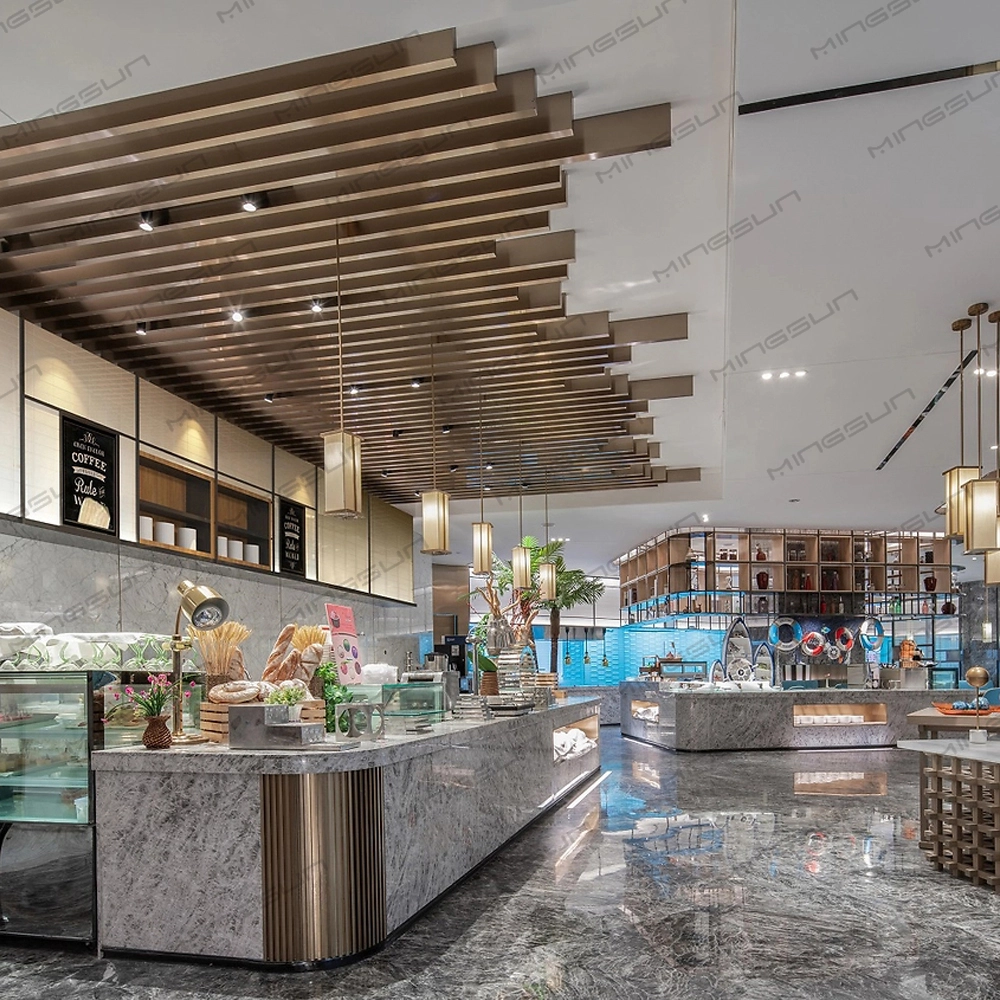
طقم أثاث طعام فندقي عصري - طاولات خشبية مصممة حسب الطلب، وكراسي منجدة، ومقاعد طويلة
قم بإنشاء انطباع دائم مع مجموعة أثاث تناول الطعام الفندقي المصممة خصيصًا، والمصممة خصيصًا للفنادق الفاخرة الحديثة والمطاعم الراقية.
تتميز هذه المجموعة بطاولات خشبية أنيقة وكراسي مريحة مبطنة باللون الأزرق ومقاعد مدمجة، وهي تجمع بين الراحة والأناقة والمتانة.
باعتبارنا شركة رائدة في تصنيع المنتجات في قوانغتشو، فإننا نقدم حلولاً شاملة - من تصميم المفهوم والتصور ثلاثي الأبعاد إلى الإنتاج والشحن العالمي - كل ذلك بأسعار المصنع المباشرة.
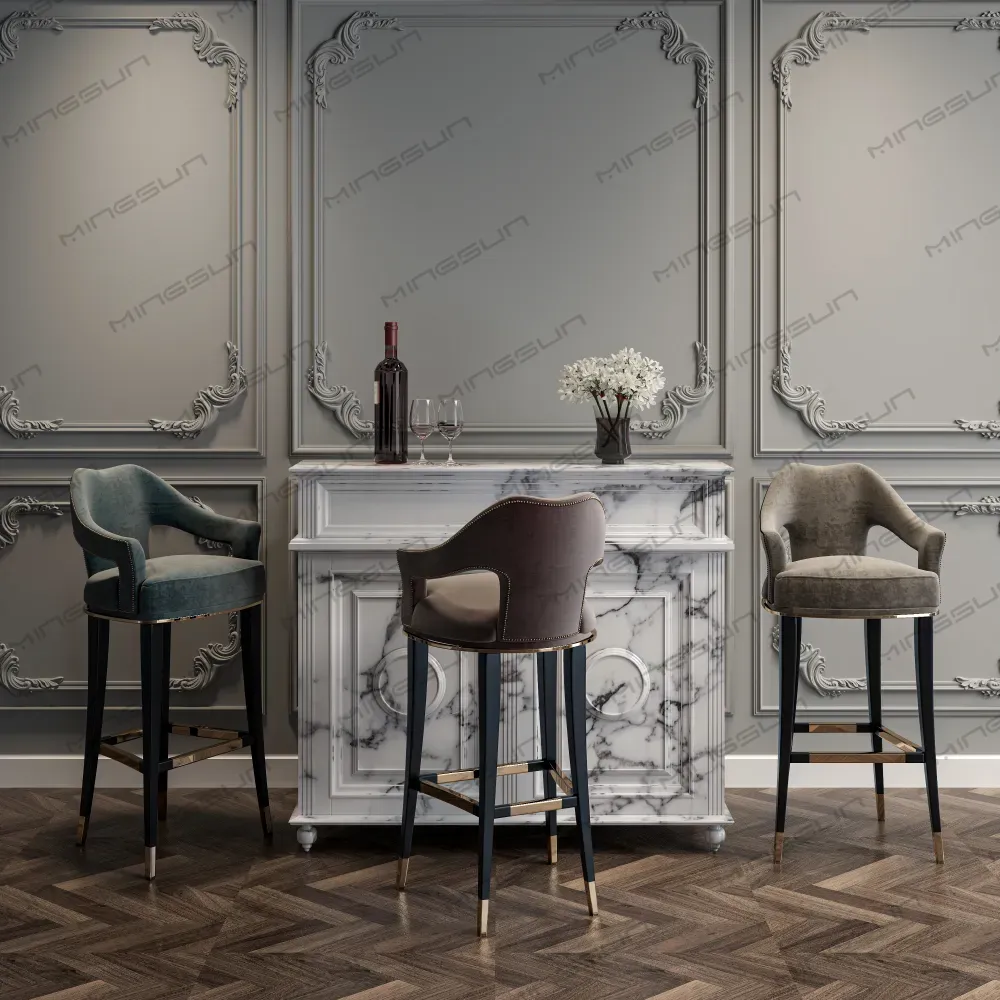
كرسي بار فاخر من المخمل مع مساند للذراعين ولمسات من النحاس المصقول، مناسب لصالات الفنادق والبارات.
ارتقِ بمستوى بار أو ردهة فندقك مع هذا الكرسي الفاخر، حيث يلتقي الراحة الفائقة مع التصميم الراقي. مُنجّد بمخمل بني داكن فاخر، يوفر مسند الظهر المنحوت ومساند الذراعين المدمجة دعمًا مريحًا، بينما يزدان الإطار المعدني الأسود النحيف بلمسات من النحاس المصقول عند الأرجل والعوارض لإضفاء لمسة من الأناقة الخالدة. يُعد هذا الكرسي مثاليًا لأماكن الضيافة الراقية، فهو يجمع بين الجماليات الراقية والمتانة، ويدعو الضيوف للاسترخاء بأناقة على البار أو ركن المشروبات.
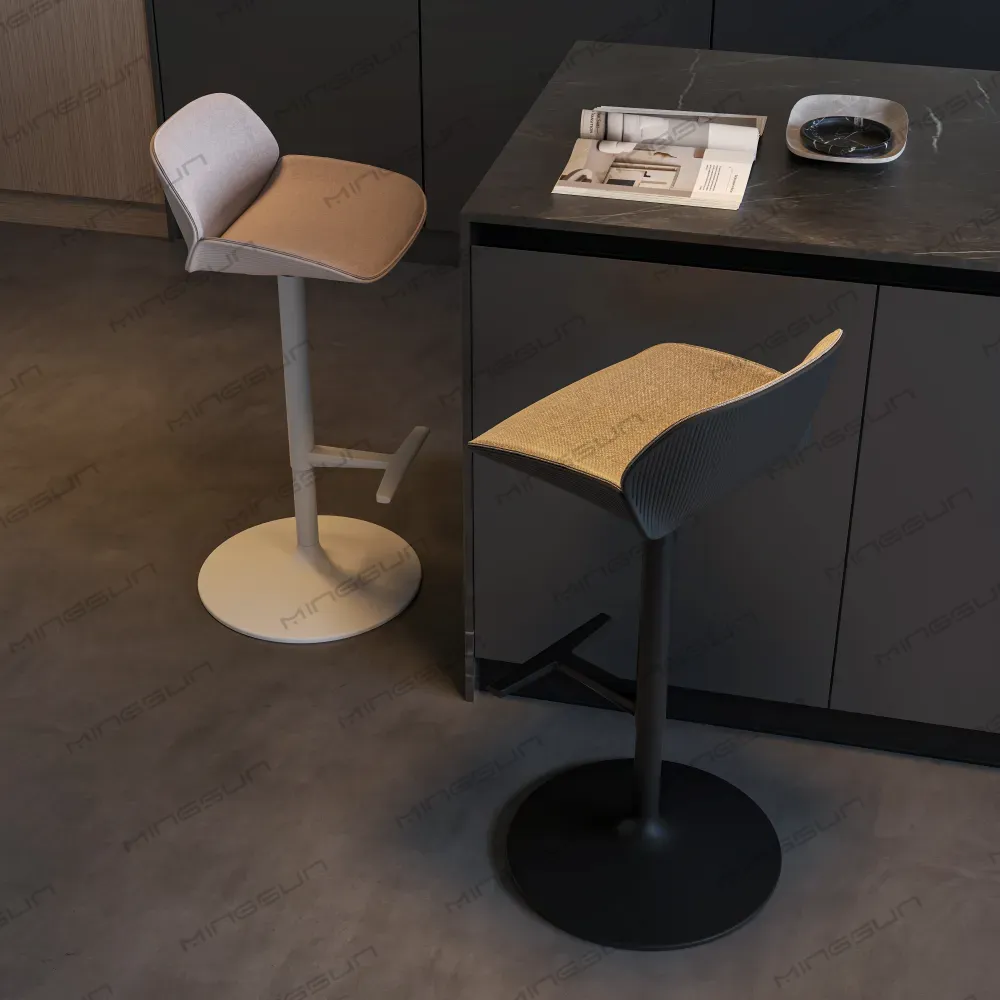
كرسي بار بتصميم بسيط مع مسند قدم مدمج وقاعدة دوارة، مناسب لمطابخ وصالات الفنادق الحديثة.
أضف لمسة عصرية أنيقة إلى مطبخ فندقك أو ردهة الاستقبال مع هذا الكرسي المرتفع ذي التصميم البسيط. يتميز بمقعد منجد ومُصمم بشكل أنيق مع مسند ظهر مدمج وقاعدة متينة تنتهي بقاعدة دائرية عريضة وثابتة. يضمن مسند القدم المدمج راحة الضيوف، بينما تتيح خاصية الدوران سهولة الحركة. صُمم هذا الكرسي ليجمع بين الشكل والوظيفة، فهو مزيج مثالي بين الجماليات العصرية والبنية المتينة عالية الجودة، مما يجعله مثاليًا لبيئات الضيافة ذات الحركة الكثيفة.
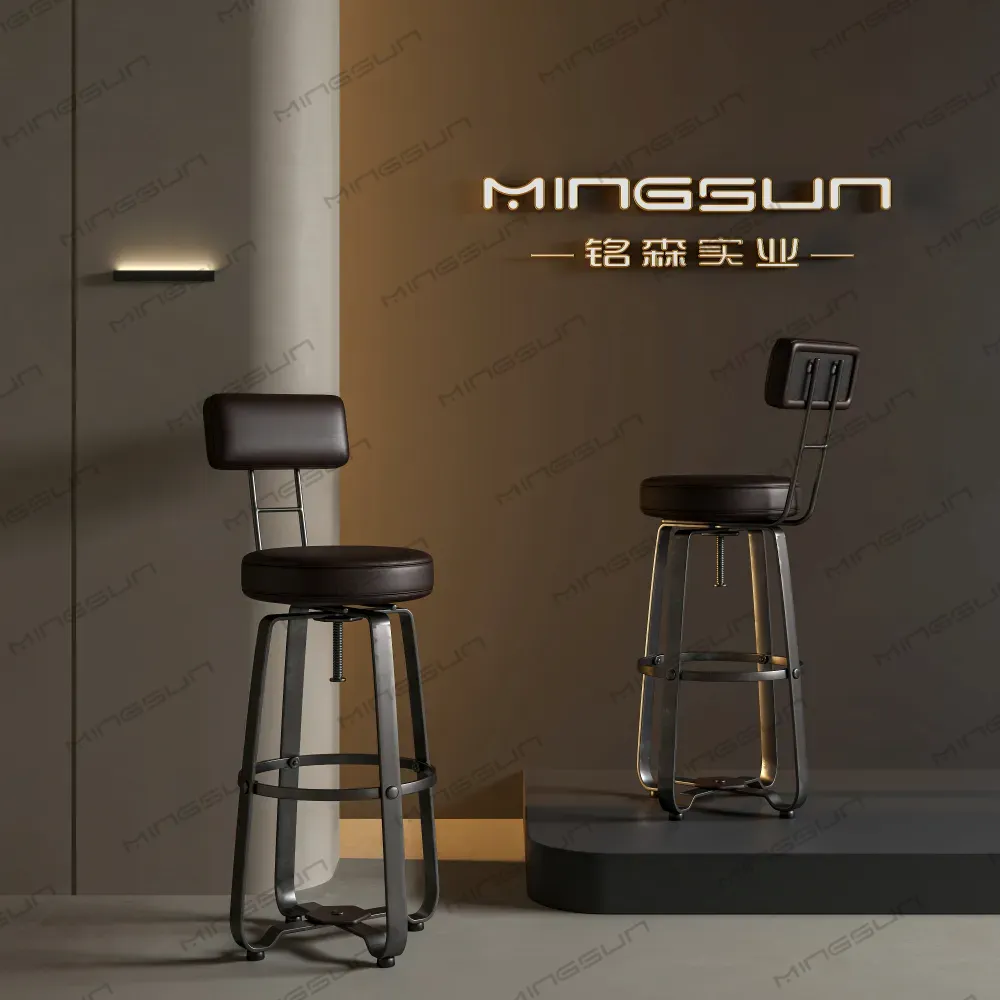
كرسي بار دوار بتصميم صناعي عتيق مزود بآلية لولبية قابلة للتعديل ومقعد منجد بالجلد.
أضف لمسة من الأناقة العصرية إلى مكان الضيافة الخاص بك مع كرسي البار ذي الطراز الصناعي، المصمم خصيصًا ليكون إضافة مميزة للحانات والمطاعم وصالات الفنادق ذات الحركة الكثيفة. يتميز الكرسي بإطار فولاذي متين ذي تصميم معماري فريد، مما يضمن أقصى درجات الثبات للاستخدام التجاري. يُعدّ آلية الرفع اللولبية عنصرًا أساسيًا فيه، حيث تُضفي عليه طابعًا كلاسيكيًا أصيلًا، مع إمكانية تعديل ارتفاع المقعد ودورانه بزاوية 360 درجة. المقعد الدائري ومسند الظهر المنحني مبطنان بسخاء ومُنجدان بجلد PU بني داكن فاخر (قابل للتخصيص)، مما يوفر راحة فائقة للجلوس لفترات طويلة.
إنتاجمينغسونبصفتنا شركة رائدة في تصنيع أثاث الفنادق في قوانغتشو، يُمثل هذا المقعد مزيجًا مثاليًا بين المتانة والتصميم الأنيق. نقدم حلولًا متكاملة لمجموعات الضيافة العالمية، تشمل كل شيء بدءًا من التصميم الأولي باستخدام برامج التصميم بمساعدة الحاسوب (CAD) وصولًا إلى التصنيع الدقيق والخدمات اللوجستية العالمية. كما يضم فريقنا دليلًا شاملًا بالفيديوهات الإرشادية لضمان سهولة عملية التركيب.
احصل على المزيد من رؤى الصناعة
هل تبحث عن الحل المناسب؟ املأ النموذج واحصل على عرض سعر مجاني.
سيستجيب خبرائنا بسرعة بخيارات مخصصة تناسب احتياجاتك.
MINGSUN هي شركة مصنعة لأثاث الفنادق ذات التوجه التصميمي تقدم خدمات OEM/ODM والحلول المخصصة ودعم المشاريع العالمية.
صُمم خصيصًا لتجار الجملة. يحظى بثقة المشترين العالميين. يُسلّم بثقة تامة.
هاتف:
بريد إلكتروني:
تابعنا --
 مسح رمز الاستجابة السريعة
مينغسون
مينغسون
مينغسون
مينغسون
مورد أثاث الفنادق المخصص MS