


خزائن ركن القهوة المصممة حسب الطلب مقابل الخزائن الجاهزة: أيهما الأنسب؟
- تصميم خزانة ركن القهوة المثالية لمساحتك
- فهم دور خزانة ركن القهوة
- العوامل والقيود الشائعة للمشروع
- الاختلافات الأساسية: خزائن بار القهوة المصممة حسب الطلب مقابل الخزائن الجاهزة
- تعريف وسير العمل الإنتاجي
- أهم المقايضات باختصار
- مقارنة عملية: التكاليف، ومدة التسليم، والمتانة، ودورة الحياة
- هيكل التكاليف والميزانية
- مهلة التنفيذ وجدولة المشروع
- المتانة والصيانة والضمان
- جدول مقارنة جنبًا إلى جنب
- كيفية اتخاذ القرار - إطار عمل لاتخاذ القرارات في مشاريع الضيافة
- الخطوة الأولى: تحديد متطلبات الأداء
- الخطوة الثانية: تقييم الميزانية والحجم
- الخطوة 3: مراعاة دورة الحياة وقدرة الصيانة
- الاعتبارات التشغيلية واعتبارات الامتثال
- تكامل السباكة والكهرباء والمعدات
- الصحة والسلامة وإمكانية الوصول
- الأثر البيئي والاستدامة
- مصادر المواد وإعادة التدوير
- الكربون والنفايات الناتجة عن دورة الحياة
- متى تختار التخصيص؟ — حالات الاستخدام المناسبة
- المساحات الرئيسية ورواية قصة العلامة التجارية
- قيود الموقع المعقدة
- متى تختار التصميم المعياري؟ — حالات الاستخدام المناسبة
- مواقع متعددة وجداول زمنية ضيقة
- مشاريع ذات ميزانية محدودة بمعدات قياسية
- مينغسون: خزائن الضيافة المصممة حسب الطلب وأهميتها
- من هو مينغسون؟
- قدرات شركة مينغسون ومزاياها التنافسية
- توصيات وقائمة مرجعية عملية
- قائمة التحقق قبل الشراء
- إرشادات الاختيار النهائي
- الأسئلة الشائعة
- 1. كم تبلغ تكلفة خزانة ركن القهوة التجارية؟
- 2. هل يمكن لخزائن ركن القهوة المعيارية أن تلبي متطلبات المتانة التجارية؟
- 3. كم من الوقت يستغرق الحصول على خزائن مصممة حسب الطلب مقارنة بالخزائن الجاهزة؟
- 4. هل توجد مناهج هجينة تجمع بين الطريقتين؟
- 5. ما هي الشهادات أو المعايير التي يجب أن أطلبها؟
- الاتصال والخطوات التالية
- مراجع
تصميم خزانة ركن القهوة المثالية لمساحتك
فهم دور خزانة ركن القهوة
خزانة ركن القهوة ليست مجرد مكان للتخزين، بل هي الركيزة الأساسية لخدمة المشروبات، إذ تضم المعدات (آلات الإسبريسو، المطاحن، أنظمة تنقية المياه)، وتتولى معالجة السوائل (التصريف، التبريد)، وتوفر بيئة عمل مريحة (ارتفاع سطح العمل، انسيابية الخدمة). في قطاع الضيافة، تُسهم الخزانة أيضًا في تعزيز صورة العلامة التجارية وكفاءة العمليات. بالنسبة للفنادق والمقاهي والمطاعم والمكاتب، يؤثر اختيار النوع المناسب من خزانة ركن القهوة - سواءً كانت مصممة خصيصًا أو جاهزة - على الميزانية، والمتانة، وتجربة الضيوف.
العوامل والقيود الشائعة للمشروع
تشمل عوامل الاختيار النموذجية الميزانية، والجدول الزمني للمشروع، ودورة الحياة المتوقعة (من 3 إلى 15 عامًا فأكثر)، وقدرة الصيانة، والمتطلبات التنظيمية (السباكة، والتهوية)، والتوافق الجمالي مع معايير العلامة التجارية. وتحدد هذه العوامل ما إذا كان الحل المصمم خصيصًا أو النهج المعياري الجاهز هو الأنسب.
الاختلافات الأساسية: خزائن بار القهوة المصممة حسب الطلب مقابل الخزائن الجاهزة
تعريف وسير العمل الإنتاجي
تُصمَّم وتُصنَّع خزائن ركن القهوة حسب الطلب وفقًا لمواصفات العميل الدقيقة، غالبًا بالتعاون مع المصممين وباستخدام القياسات الميدانية. أما الخزائن المعيارية، فتُنتَج على شكل وحدات نمطية قياسية يمكن دمجها بتكوينات مختلفة في الموقع. وتُصنَّع الحلول المعيارية في المصانع وفقًا لمواصفات قابلة للتكرار لضمان سرعة التسليم وسهولة التركيب.
أهم المقايضات باختصار
تتميز الخزائن المصممة حسب الطلب بملاءمتها التامة للموقع، واستخدامها لمواد فريدة، وقدرتها على تمييز العلامة التجارية. أما الخزائن الجاهزة فتتميز بتكاليفها المتوقعة، وسرعة تنفيذها، وقابليتها للتوسع. ويمكن لكلا النوعين تلبية متطلبات الجودة التجارية، لكنهما يختلفان في مدة التسليم، والتكلفة الأولية، والمرونة على المدى الطويل.
مقارنة عملية: التكاليف، ومدة التسليم، والمتانة، ودورة الحياة
هيكل التكاليف والميزانية
تتميز الخزائن المصممة حسب الطلب بتكاليف أولية أعلى عادةً نظرًا لتصميمها الخاص، والتعديلات التي تُجرى في الموقع، وتنوع خيارات المواد. أما الخزائن المعيارية، فتُقلل من ساعات العمل والتصميم، وتوفر أسعارًا ثابتة لكل وحدة. وفي مشاريع الفنادق التي تتطلب تناسقًا في تصميم غرف أو منافذ متعددة، يُمكن للحلول المعيارية أن تُقلل من تكلفة الموقع الواحد من خلال إمكانية تكرارها.
مهلة التنفيذ وجدولة المشروع
تُصنّع الخزائن المعيارية على دفعات وتُشحن جاهزة للتركيب، مما يُساهم غالبًا في تقصير مدة المشاريع. أما القطع المصممة حسب الطلب فتتطلب موافقة على التصميم، ونماذج أولية، وأحيانًا تعديلات في الموقع، مما يزيد من مدة التسليم. بالنسبة للمشاريع التي تخضع لقيود مواعيد الافتتاح أو مراحل التنفيذ، تُقلل الحلول المعيارية في كثير من الأحيان من مخاطر التأخير.
المتانة والصيانة والضمان
يمكن تصنيع الخزائن الجاهزة أو المصممة حسب الطلب للاستخدام المكثف. وتعتمد المتانة على المواد الأساسية (الخشب الصلب، الخشب الرقائقي مقابل ألواح الخشب المضغوط)، وجودة الملحقات (المفصلات التجارية، وآليات الإغلاق الهادئ، والمنزلقات شديدة التحمل)، والتشطيب. غالبًا ما يقدم المصنعون الذين يصممون الخزائن حسب الطلب خيارات مواد موسعة واتفاقيات خدمة متكاملة؛ بينما يوفر موردو الخزائن الجاهزة ضمانات موحدة واستبدالًا أسهل للأجزاء.
جدول مقارنة جنبًا إلى جنب
| معيار | خزانة بار قهوة مصممة حسب الطلب | خزانة بار قهوة معيارية |
|---|---|---|
| متوسط المهلة الزمنية | 8-20 أسبوعًا (التصميم + الإنتاج) | من أسبوعين إلى ثمانية أسابيع (الإنتاج + التسليم) |
| التكلفة الأولية | أعلى (المواد + العمل المخصص) | منخفض إلى متوسط (وحدات معيارية) |
| مرونة التصميم | أقصى — أبعاد فريدة، وميزات متكاملة | يقتصر على التكوينات المعيارية والتشطيبات القياسية |
| قابلية التوسع | أقل — كل وحدة فريدة من نوعها (مكلفة التكرار) | انخفاض تكلفة الوحدة الواحدة نتيجة ارتفاع تكلفة الوحدات القابلة للتكرار |
| الصيانة والاستبدال | قد يتطلب الأمر قطع غيار مصممة خصيصًا أو إصلاحات في الموقع | وحدات أو قطع غيار سهلة الاستبدال |
| قيمة دورة الحياة | مرتفع إذا كانت أولويات تمييز العلامة التجارية واستمراريتها | فعال من حيث التكلفة في مواقع متعددة أو جداول زمنية ضيقة |
ملاحظات: أوقات التسليم والتكاليف تقديرية؛ وتعتمد الأرقام الفعلية على المواد المستخدمة، ومدى تعقيد المنتج، والشحن، والعمالة المحلية. تستند تقديرات المصدر إلى متوسطات الصناعة (انظر المراجع).
كيفية اتخاذ القرار - إطار عمل لاتخاذ القرارات في مشاريع الضيافة
الخطوة الأولى: تحديد متطلبات الأداء
حدد المعدات المطلوبة (آلات الإسبريسو، خزانات حبوب البن، الثلاجات أسفل المنضدة)، ونقاط الصرف الصحي والتوصيلات الصحية، وبيئة العمل المريحة، وبروتوكولات التنظيف. على سبيل المثال، تتطلب معدات الإسبريسو أعماقًا محددة للمنضدة، وتهوية جيدة، وأسطحًا مُدعمة لمقاومة الاهتزاز والحرارة.
الخطوة الثانية: تقييم الميزانية والحجم
إذا كنت تُجهّز مساحة رئيسية واحدة حيث تُعدّ فرادة العلامة التجارية أمرًا بالغ الأهمية، فقد يكون تصميم الخزائن حسب الطلب استثمارًا مُبررًا. أما إذا كنت تُدير سلسلة فنادق أو عدة مقاهٍ فرعية حيث يُعدّ التناسق وسرعة الوصول إلى السوق أمرًا حاسمًا، فغالبًا ما يكون التصميم المعياري هو الخيار الأفضل.
الخطوة 3: مراعاة دورة الحياة وقدرة الصيانة
بالنسبة للعقارات التي تضم فرق صيانة في الموقع وتعتمد دورات تصميم متعددة السنوات، يمكن للحلول المخصصة مع عقود الخدمة أن تطيل عمر العقار. أما بالنسبة للعقارات التي تفضل قطع الغيار الجاهزة للاستخدام والحد الأدنى من أعمال النجارة في الموقع، فإن الأنظمة المعيارية تُسهّل الصيانة والاستبدال.
الاعتبارات التشغيلية واعتبارات الامتثال
تكامل السباكة والكهرباء والمعدات
تتطلب معدات القهوة التجارية متطلبات صارمة فيما يتعلق بالسباكة والكهرباء. يمكن للأنظمة المعيارية أن تتضمن فتحات وقنوات مُجهزة مسبقًا للخدمات، ولكن يجب التحقق من ظروف الموقع. تسمح الخزائن المصممة حسب الطلب بدمج أنابيب الخدمات الرأسية ومسارات المرافق المخفية بشكل مُلائم عندما تكون قيود الموقع الحالية معقدة.
الصحة والسلامة وإمكانية الوصول
يجب أن تلتزم المقاهي التجارية بقوانين الصحة المحلية، وقواعد التهوية، ومعايير سهولة الوصول (مثل نطاقات الوصول وفقًا لقانون الأمريكيين ذوي الإعاقة في الولايات المتحدة). يساهم التنسيق المبكر بين التصميم والمرافق والسلطات المحلية في تقليل الحاجة إلى إعادة العمل، وينطبق هذا على كل من التصاميم المخصصة والتصاميم الجاهزة.
الأثر البيئي والاستدامة
مصادر المواد وإعادة التدوير
تتيح الخزائن المصممة حسب الطلب اختيار الأخشاب الصلبة المستدامة، أو الخشب الرقائقي المعتمد من مجلس رعاية الغابات (FSC)، أو المواد المُعاد تدويرها، مما يُقلل من انبعاثات الكربون. كما يُمكن تصميم الخزائن المعيارية لإعادة استخدامها واستبدال الوحدات البالية، مما يُعزز الاقتصاد الدائري. اطلب من الموردين شهادة FSC أو PEFC، واختبار انبعاثات المركبات العضوية المتطايرة (مثلًا، الامتثال لمعايير مجلس موارد الهواء في كاليفورنيا (CARB) فيما يخص الفورمالديهايد في المواد المركبة).
الكربون والنفايات الناتجة عن دورة الحياة
تُقلل الأنظمة المعيارية من النفايات في الموقع، ويمكن تفكيكها لإعادة استخدامها، مما يُخفف من آثار دورة حياة المنتج بالنسبة للمشغلين الذين يديرون مواقع متعددة. قد تكون تكلفة البناء حسب الطلب أعلى من الناحية البيئية لمرة واحدة، ولكنها تستخدم مواد متينة وطويلة الأمد، مما يقلل من الحاجة إلى استبدالها بشكل متكرر.
متى تختار التخصيص؟ — حالات الاستخدام المناسبة
المساحات الرئيسية ورواية قصة العلامة التجارية
عندما يكون ركن القهوة نقطة محورية لتجربة الضيوف (ردهة الفندق، المطعم المميز)، فإن الخزائن المصممة حسب الطلب تسمح باستخدام مواد فريدة وإضاءة متكاملة وتشطيبات مصممة خصيصًا تعبر عن هوية العلامة التجارية.
قيود الموقع المعقدة
غالباً ما تتطلب المباني القديمة أو الأرضيات غير المستوية أو المساحات غير المنتظمة تعديلات في الموقع وحلولاً مصممة خصيصاً لا يمكن توفيرها بشكل موثوق إلا من خلال صناعة الخزائن حسب الطلب دون المساس بجودة التشطيب.
متى تختار التصميم المعياري؟ — حالات الاستخدام المناسبة
مواقع متعددة وجداول زمنية ضيقة
تستفيد مجموعات الفنادق، وأصحاب الامتيازات، والمشغلون الذين لديهم جداول إطلاق سريعة من الأنظمة المعيارية للحصول على جودة قابلة للتكرار وعمليات تركيب أسرع.
مشاريع ذات ميزانية محدودة بمعدات قياسية
بالنسبة لمحطات المشروبات الخلفية أو المنافذ الثانوية حيث تكون إشارات العلامة التجارية خفية، توفر الخزائن المعيارية أداءً تجاريًا بتكلفة إجمالية أقل للتركيب.
مينغسون: خزائن الضيافة المصممة حسب الطلب وأهميتها
من هو مينغسون؟
مينغسون شركةٌ مُصنِّعةٌ لأثاث الفنادق عالي الجودة، مقرُّها قوانغتشو، الصين. تُقدِّم حلولاً مُخصَّصةً شاملةً لقطاع الضيافة. نحن مُتخصِّصون في تصميم وإنتاج وتوصيل أثاثٍ عالي الجودة لغرف الفنادق، والردهات، والمطاعم، وقاعات الحفلات، وغيرها من المساحات التجارية.
قدرات شركة مينغسون ومزاياها التنافسية
بمصنع يمتد على مساحة 10,000 متر مربع وأكثر من 200 عامل ماهر، تجمع مينغسون بين الحرفية المتقنة والمواد عالية الجودة ومراقبة الجودة الصارمة لضمان متانة كل قطعة ووظائفها العملية وجمالها. ويتعاون فريق التصميم الداخلي مع العملاء لتطوير حلول مصممة خصيصًا تعكس الأسلوب والمعايير الفريدة لكل مشروع. تشمل نقاط قوة مينغسون ما يلي:
- سير عمل متكامل من التصميم إلى التسليم يقلل من وقت التنسيق.
- مصادر مواد ذات جودة تجارية وعمليات إنتاج معتمدة.
- القدرة على تقديم كل من الخزائن المصممة حسب الطلب بالكامل والحلول المعيارية الجاهزة للتوسع في مواقع متعددة.
- خطوط إنتاج متخصصة: أثاث غرف نوم الفنادق، أثاث صالات الفنادق، أثاث ردهات الفنادق، أثاث قاعات المؤتمرات في الفنادق، طاولات وكراسي مطاعم الفنادق.
بالنسبة للمشاريع التي تتطلب لغة تصميم متزامنة عبر أنواع الأثاث والتسليم العالمي الموثوق به، تقدم MINGSUN توازناً مقنعاً بين التخصيص، وحجم التصنيع، والهندسة التي تركز على الضيافة.
توصيات وقائمة مرجعية عملية
قائمة التحقق قبل الشراء
- تأكد من قائمة المعدات الدقيقة (ماركة/طراز ماكينة الإسبريسو، المطاحن، الثلاجة).
- مسح أبعاد الموقع، والمسافات، والمرافق (الرسومات + الصور).
- حدد نطاق الميزانية والمدة الزمنية المقبولة.
- تحديد معايير التشطيب والصيانة (الضمان، سياسة قطع الغيار).
- اطلب نماذج تجريبية أو عروض توضيحية للوحدات للحصول على الموافقة النهائية.
إرشادات الاختيار النهائي
إذا كانت أولوياتك هي تمييز علامتك التجارية، أو استخدام مواد فريدة، أو التعامل مع تصميمات المواقع المعقدة، فاختر خزائن مخصصة لبار القهوة. أما إذا كنت بحاجة إلى السرعة، والاتساق، والفعالية من حيث التكلفة في مواقع متعددة، فاختر خزائن بار قهوة معيارية. يختار العديد من مشغلي الفنادق نهجًا هجينًا: بارات مميزة مصممة خصيصًا للمواقع الرئيسية، وأنظمة معيارية للمنافذ المتكررة.
الأسئلة الشائعة
1. كم تبلغ تكلفة خزانة ركن القهوة التجارية؟
تتفاوت التكاليف بشكل كبير. عادةً، تبدأ أسعار الخزائن التجارية الجاهزة من بضع مئات إلى بضعة آلاف من الدولارات للقدم الطولية، وذلك حسب التشطيبات والملحقات. أما الحلول المصممة حسب الطلب، فتبدأ أسعارها عادةً أعلى نظرًا لتصنيعها خصيصًا. للاطلاع على نطاقات أسعار الخزائن في السوق، يُرجى مراجعة موقع HomeAdvisor ومصادر تجارية أخرى في قسم المراجع.
2. هل يمكن لخزائن ركن القهوة المعيارية أن تلبي متطلبات المتانة التجارية؟
نعم، العديد من الأنظمة المعيارية مصممة للاستخدام التجاري بمكونات أساسية صناعية، وأسطح من الفولاذ المقاوم للصدأ، ومعدات شديدة التحمل. تأكد من قدرة التحمل، وشروط الضمان، وبروتوكولات الصيانة مع المورد.
3. كم من الوقت يستغرق الحصول على خزائن مصممة حسب الطلب مقارنة بالخزائن الجاهزة؟
التصميم المعياري: عادةً من أسبوعين إلى 8 أسابيع. التصميم حسب الطلب: عادةً من 8 إلى 20 أسبوعًا (بما في ذلك الموافقات على التصميم والتشطيب)، وذلك حسب درجة التعقيد والتعديلات.
4. هل توجد مناهج هجينة تجمع بين الطريقتين؟
نعم. يستخدم المشغلون في كثير من الأحيان قطعًا نهائية مخصصة أو واجهات مميزة بالإضافة إلى مكونات داخلية معيارية قابلة للتكرار لتحقيق التوازن بين هوية العلامة التجارية وكفاءة التكلفة.
5. ما هي الشهادات أو المعايير التي يجب أن أطلبها؟
اطلب شهادات المواد (FSC/PEFC)، واختبار انبعاثات المركبات العضوية المتطايرة (الامتثال لمعايير CARB)، ومواصفات الأجهزة التجارية. بالنسبة لقطاع الضيافة، تأكد أيضًا من استخدام مواد مقاومة للحريق حيثما يقتضي القانون المحلي ذلك.
الاتصال والخطوات التالية
إذا كنت بحاجة إلى عرض مُصمّم خصيصًا، تُقدّم مينغسون استشارات لتقييم ما إذا كانت خزائن ركن القهوة المُصمّمة حسب الطلب أو الجاهزة هي الأنسب لمشروعك. تواصل مع مينغسون للحصول على عروض تصميم، ونماذج تشطيبات، وتقديرات مدة التنفيذ. استعرض خطوط الإنتاج أو اطلب عرض سعر لبدء مشروعك - من الفكرة إلى التسليم العالمي.
مراجع
- خزانة (أثاث) - ويكيبيديا. https://en.wikipedia.org/wiki/Cabinet_(furniture) (تم الاطلاع بتاريخ 9 يناير 2026)
- التصميم المعياري — ويكيبيديا. https://en.wikipedia.org/wiki/Modular_design (تم الاطلاع بتاريخ 9 يناير 2026)
- هوم أدفايزر - كم تبلغ تكلفة خزائن المطبخ (مستخدمة للمقارنة بين الأسعار). https://www.homeadvisor.com/cost/kitchens/install-kitchen-cabinets/ (تم الاطلاع بتاريخ 9 يناير 2026)
- موقع ذا سبروس - مقارنة بين المطابخ الجاهزة والمطابخ المصممة حسب الطلب (للمقارنة بين المطابخ الجاهزة والمطابخ المصممة حسب الطلب). https://www.thespruce.com/modular-vs-custom-kitchen-ideas-5081778 (تم الاطلاع بتاريخ 9 يناير 2026)
- رابطة القهوة المختصة (SCA) - رؤى صناعية ومتطلبات المعدات. https://sca.coffee/ (تم الاطلاع بتاريخ 9 يناير 2026)
- ستاتيستا - إيرادات قطاع الفنادق العالمي (سياق السوق). https://www.statista.com/topics/1100/hotels/ (تم الاطلاع بتاريخ 9 يناير 2026)
للاستفسارات الخاصة أو لطلب مواصفات المنتج ومواعيد التسليم، يرجى الاتصال بشركة مينغسون عبر قنواتها التجارية.
أفضل 10 مصنعين وموردين لأثاث ردهات الفنادق الفاخرة في عام 2026
تصاميم رفوف نبيذ مخصصة لمطاعم الفنادق
أحدث صيحات تصميم وبناء أثاث الفنادق | MINGSUN Ultimate Insights
اتجاهات ديكور غرف الفنادق التجارية لمشتري خدمات الضيافة
نطاق المنتج ومجالات التطبيق
هل تقدمون عينات؟
هل بإمكانكم توفير باقة أثاث فندقي كاملة؟
خدمة ما بعد البيع والتعاون طويل الأمد
ما هي أنواع العملاء التي تناسبها شركة مينغسون بشكل أفضل؟
إمكانية التخصيص ودعم التصميم
هل يمكنك تصنيع الأثاث بناءً على رسومات التصميم أو الصور التوضيحية؟
ما هي عملية التخصيص لديكم؟
حدد موعدًا معنا اليوم
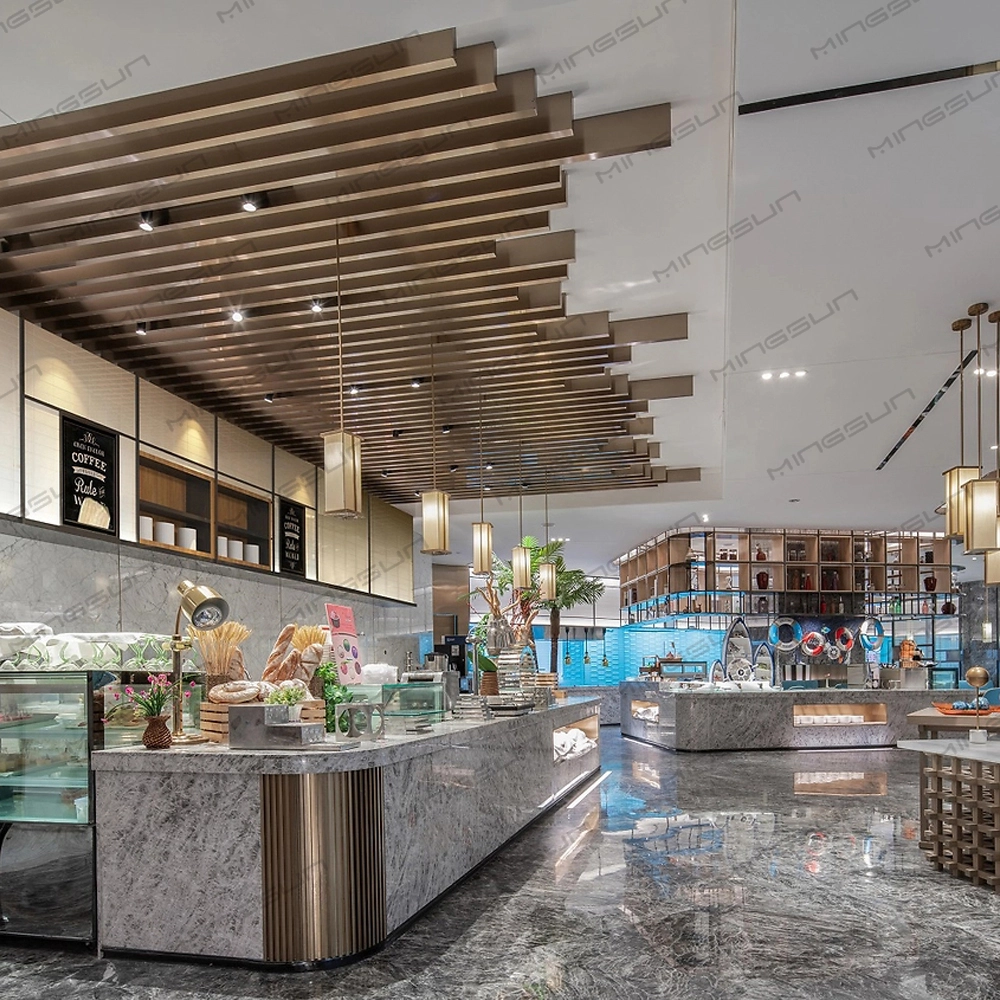
طقم أثاث طعام فندقي عصري - طاولات خشبية مصممة حسب الطلب، وكراسي منجدة، ومقاعد طويلة
قم بإنشاء انطباع دائم مع مجموعة أثاث تناول الطعام الفندقي المصممة خصيصًا، والمصممة خصيصًا للفنادق الفاخرة الحديثة والمطاعم الراقية.
تتميز هذه المجموعة بطاولات خشبية أنيقة وكراسي مريحة مبطنة باللون الأزرق ومقاعد مدمجة، وهي تجمع بين الراحة والأناقة والمتانة.
باعتبارنا شركة رائدة في تصنيع المنتجات في قوانغتشو، فإننا نقدم حلولاً شاملة - من تصميم المفهوم والتصور ثلاثي الأبعاد إلى الإنتاج والشحن العالمي - كل ذلك بأسعار المصنع المباشرة.
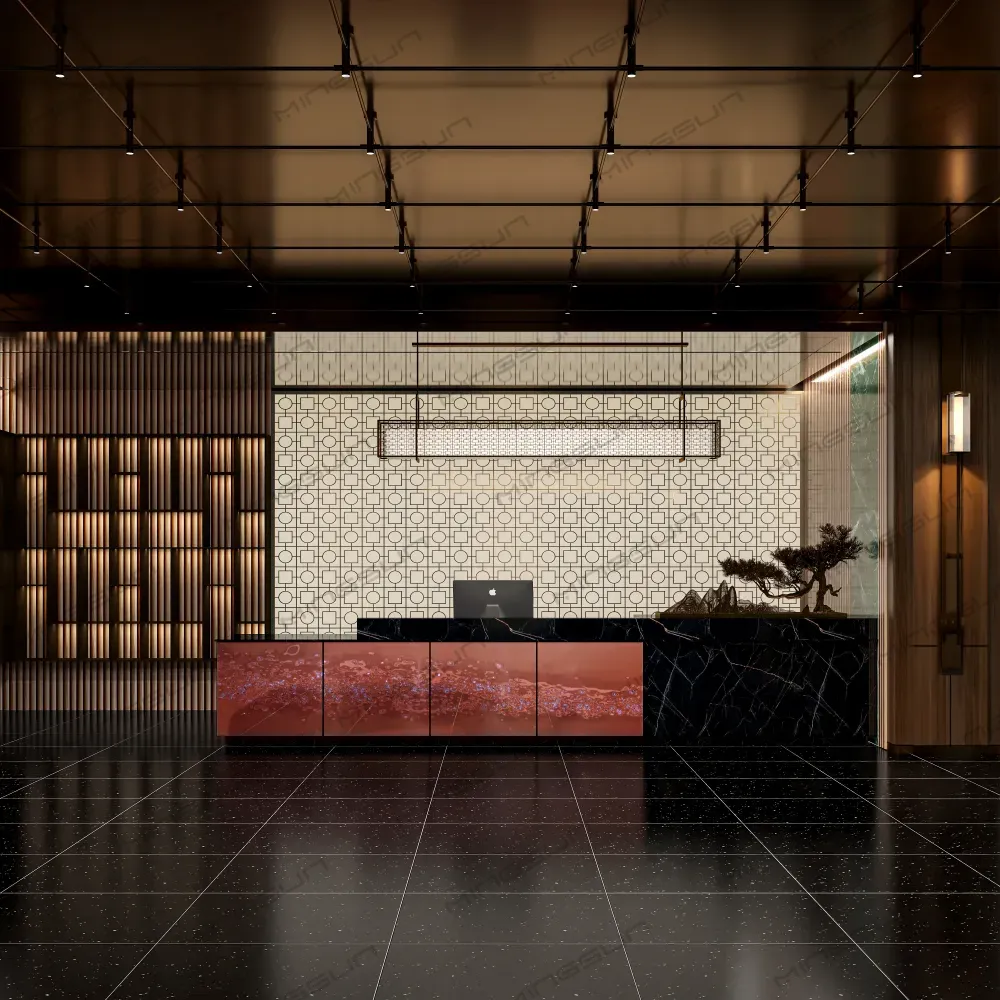
مكتب استقبال فاخر بسطح من الرخام الأسود وألواح أمامية من الراتنج النحاسي المضيء
أضف لمسة جريئة لا تُنسى إلى مدخل فندقك مع مكتب الاستقبال العصري هذا. يتميز سطحه الرخامي الأسود الأنيق بفخامة خالدة، بينما تتألق واجهته الأمامية بألواح نحاسية راتنجية مضاءة من الداخل، تتوهج بضوء كهرماني دافئ، لتخلق لوحة فنية جذابة. صُمم هذا المكتب ليجمع بين الشكل والوظيفة، حيث يوفر مساحة تخزين واسعة مخفية خلف أبواب انسيابية، ويتضمن محطة عمل مخصصة للموظفين مع نظام إدارة الكابلات. إنه أكثر من مجرد مكتب استقبال، إنه تحفة فنية تُجسد فخامة علامتك التجارية وروعتها.
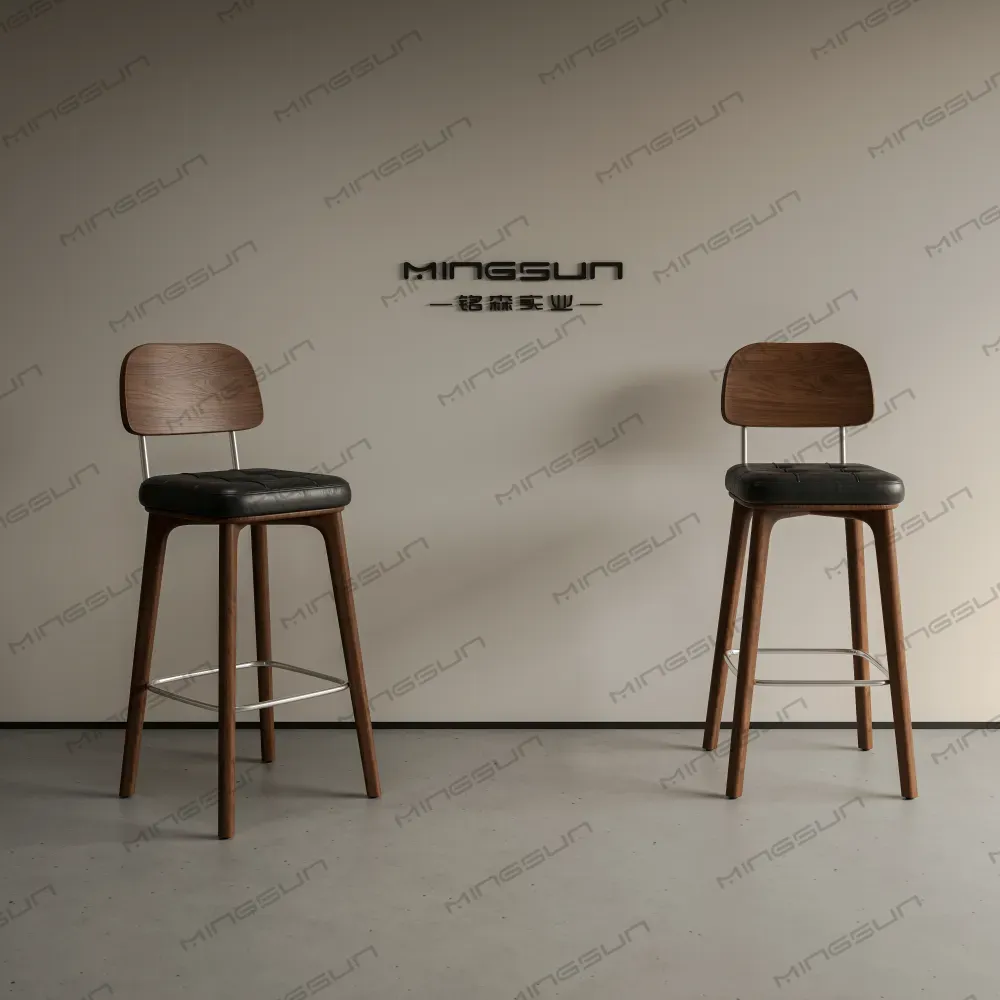
كرسي بار عصري من خشب الجوز بتصميم منتصف القرن، مزود بمقعد من الجلد المنجد ومسند قدم من الكروم، مثالي للضيافة الفاخرة.
ارتقِ بجماليات بار فندقك أو مطعمك الراقي أو ردهة كبار الشخصيات مع هذا الكرسي الأنيق المصنوع بدقة متناهية من قبلمينغسونيجمع هذا الكرسي بين دفء التصميم العصري الكلاسيكي ومتانة التصميم الصناعي، ويتميز بمسند ظهر منحني من قشرة خشب الجوز مصمم لتوفير دعم مريح وعمق بصري. المقعد مُنجّد بجلد صناعي أسود فاخر (قابل للتخصيص بجلد طبيعي) مع خياطة كلاسيكية بأزرار، مما يوفر ملمسًا أنيقًا يقاوم التآكل في البيئات التجارية ذات الحركة الكثيفة.
بفضل أرجلها الخشبية الصلبة المدببة وحلقتها الفولاذية المطلية بالكروم التي تدعم مسند القدم، تضمن هذه القطعة الثبات وطول العمر. وبصفتها شركة رائدةمصنع أثاث الفنادق في قوانغتشوتضمن مينغسون أن كل كرسي يفي بمعايير الجودة الصارمة المعتمدة في المشاريع. من مصنعنا الذي تبلغ مساحته 10,000 متر مربع، نقدم حلاً متكاملاً يشمل التصنيع والخدمات اللوجستية العالمية وإرشادات التركيب عبر الفيديو، لضمان إنجاز المشروع بسلاسة.
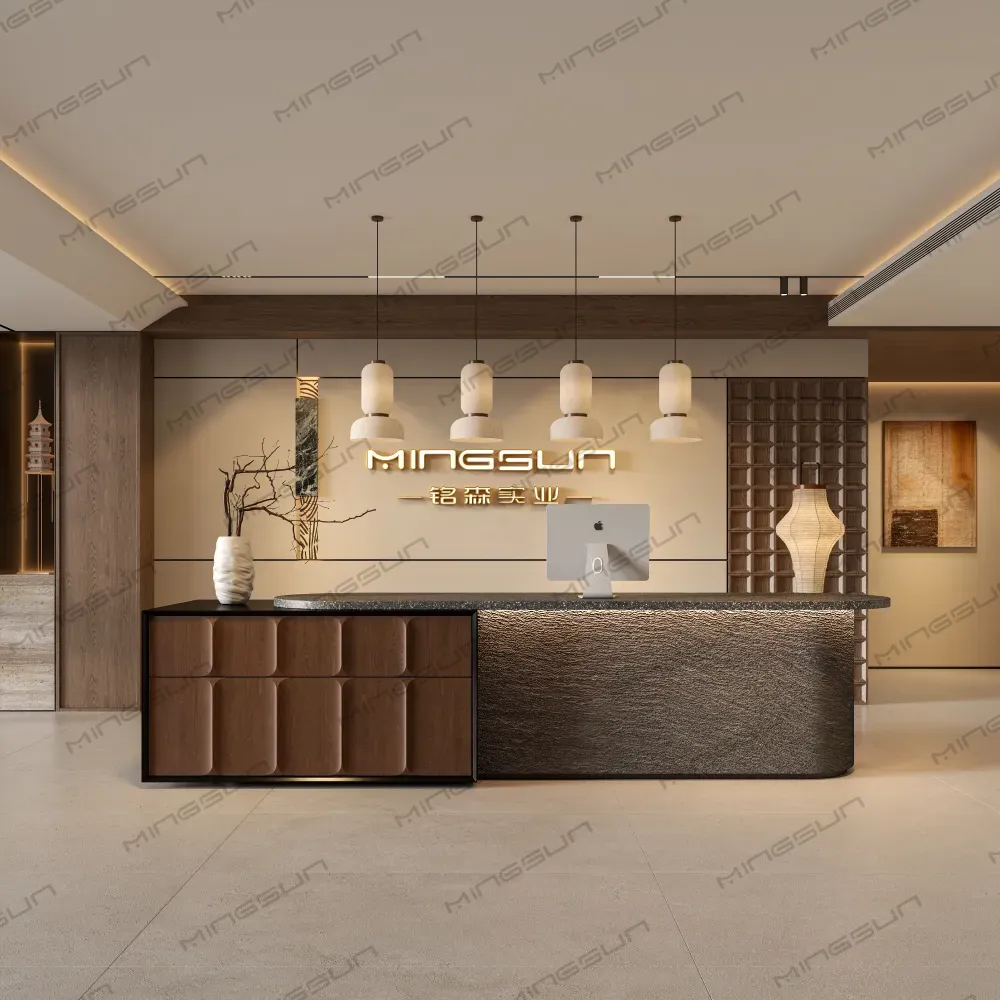
مكتب استقبال فاخر مصنوع من الحجر المزخرف وقشرة خشب الجوز بتفاصيل بارزة ثلاثية الأبعاد
أضف لمسة من الرقي والجمال الطبيعي إلى ردهة فندقك أو صالة عرضك مع مكتب الاستقبال العصري هذا. يجمع هذا المكتب بين جمال الطبيعة الخام والحرفية الراقية، ويتميز بتناقض لافت بين المواد. يتميز هيكله الرئيسي بواجهة حجرية داكنة ذات ملمس مطروق، تضفي عليه أناقةً مميزة، يعلوها سطح مصقول رمادي اللون بنمط الترازو. ويتكامل هذا السطح بسلاسة مع وحدة تخزين من خشب الجوز الفاخر، تتميز بنقوش بارزة ثلاثية الأبعاد فريدة على شكل حبة دواء على واجهات الأدراج. أما الإضاءة الخافتة والدافئة بتقنية LED، المخفية أسفل حافة سطح المكتب، فتُبرز جمال الحجر، مضيفةً عمقًا ودفئًا إلى منطقة الاستقبال.
صُنع بواسطةمينغسونبصفتنا شركة متخصصة في تصميم أثاث الضيافة حسب الطلب، صُممت هذه القطعة لتكون محورًا رئيسيًا في التصميمات الداخلية الفاخرة. انطلاقًا من مركز التصنيع التابع لنا في قوانغتشو، نوفر أثاثًا مصممًا بدقة عالية للفنادق في جميع أنحاء العالم. نقدم تجربة سلسة ومتكاملة، بدءًا من تخصيص التصميم وصولًا إلى التسليم العالمي مع خدمة التوصيل والتركيب عبر الفيديو.
احصل على المزيد من رؤى الصناعة
هل تبحث عن الحل المناسب؟ املأ النموذج واحصل على عرض سعر مجاني.
سيستجيب خبرائنا بسرعة بخيارات مخصصة تناسب احتياجاتك.
MINGSUN هي شركة مصنعة لأثاث الفنادق ذات التوجه التصميمي تقدم خدمات OEM/ODM والحلول المخصصة ودعم المشاريع العالمية.
صُمم خصيصًا لتجار الجملة. يحظى بثقة المشترين العالميين. يُسلّم بثقة تامة.
هاتف:
بريد إلكتروني:
تابعنا --
 مسح رمز الاستجابة السريعة
مينغسون
مينغسون
مينغسون
مينغسون
مورد أثاث الفنادق المخصص MS