


اتجاهات ديكور غرف الفنادق التجارية لمشتري خدمات الضيافة
- اتجاهات التصميم المتقدمة التي تشكل التصميمات الداخلية للفنادق
- لماذا يُعدّ ديكور غرف الفنادق مهماً لمشتري خدمات الضيافة؟
- الاستدامة والاقتصاد الدائري في ديكور غرف الفنادق
- ديكور يركز على الصحة: التصميم الحيوي، وجودة الهواء، والتصميم الذي يركز على النوم
- أثاث معياري ومتعدد الوظائف للغرف المرنة
- المتانة، وسهولة التنظيف، ومعايير ما بعد الجائحة
- دمج سلس للتكنولوجيا في ديكور غرف الفنادق
- الحرف المحلية، والأصالة، ورواية القصص المادية
- استراتيجية اللون والملمس والحواس لغرف الضيوف
- التكلفة مقابل العائد على الاستثمار: مقارنة عملية لقرارات ديكور غرف الفنادق
- قائمة التحقق من المشتريات لمشتري ديكور غرف الفنادق
- تقييم الموردين: ما الذي يميز شركاء أثاث الفنادق الموثوق بهم؟
- مبررات الشراء من مصنعين ذوي خبرة (مثال مينغسون)
- خارطة طريق لتنفيذ عملية تجديد ناجحة للغرفة أو بناء جديد
- أبرز المخاطر وكيفية تجنبها
- الأسئلة الشائعة
- 1. ما هي أفضل أنواع الأقمشة لتزيين غرف الفنادق التي تحقق التوازن بين الراحة والمتانة؟
- 2. كيف يمكنني قياس عائد الاستثمار في الأثاث المستدام؟
- 3. ما هي المدة الزمنية المتوقعة لتجهيز أثاث غرف نوم الفنادق حسب الطلب؟
- 4. كيف أضمن الامتثال لمعايير السلامة من الحرائق للمنسوجات والأثاث؟
- 5. هل من الأفضل توحيد الأثاث في جميع الغرف أم تخصيصه حسب نوع الغرفة؟
- 6. كيف يمكنني إدارة قطع الغيار والصيانة الدورية لأثاث الفندق؟
- احصل على مساعدة الخبراء واطلع على حلول المنتجات
- مراجع
اتجاهات التصميم المتقدمة التي تشكل التصميمات الداخلية للفنادق
لماذا يُعدّ ديكور غرف الفنادق مهماً لمشتري خدمات الضيافة؟
لم يعد ديكور غرف الفنادق مجرد مسألة جمالية. فبالنسبة لمشتري خدمات الضيافة، تؤثر خيارات الديكور بشكل مباشر على رضا النزلاء، والتكاليف التشغيلية، ومكانة العلامة التجارية، وقيمة العميل على مدار حياته. في سوق الضيافة المتعافي والمتزايد التنافسية، تحدد قرارات ديكور غرف الفنادق نية الحجز، والتقييمات، وتكرار الإقامة. تُسلط هذه المقالة الضوء على الاتجاهات التجارية التي يجب على المشترين إعطاؤها الأولوية عند تحديد الأثاث والتشطيبات والأنظمة لغرف النزلاء والمساحات التجارية المجاورة.
الاستدامة والاقتصاد الدائري في ديكور غرف الفنادق
يتوقع النزلاء وعملاء الشركات بشكل متزايد مراعاة المسؤولية البيئية. يساهم تصميم غرف الفنادق المستدام - بما في ذلك التشطيبات منخفضة المركبات العضوية المتطايرة، والخشب المعتمد من مجلس رعاية الغابات (FSC)، وخيوط التنجيد المعاد تدويرها، والتصاميم المُحسّنة لسهولة الفك - في تقليل الأثر البيئي ودعم مزاعم العلامة التجارية. بالنسبة لفرق المشتريات، تُترجم الاستدامة إلى مؤشرات قابلة للقياس: تقليل انبعاثات الكربون، وإطالة عمر المنتج، وتسهيل الصيانة. يُنصح بطلب وثائق الموردين (شهادة FSC، وشهادة ISO 14001، وبيانات سلامة المواد) والنظر في تحليل تكلفة دورة الحياة (LCCA) بدلاً من الشراء بناءً على التكلفة الأولية.
ديكور يركز على الصحة: التصميم الحيوي، وجودة الهواء، والتصميم الذي يركز على النوم
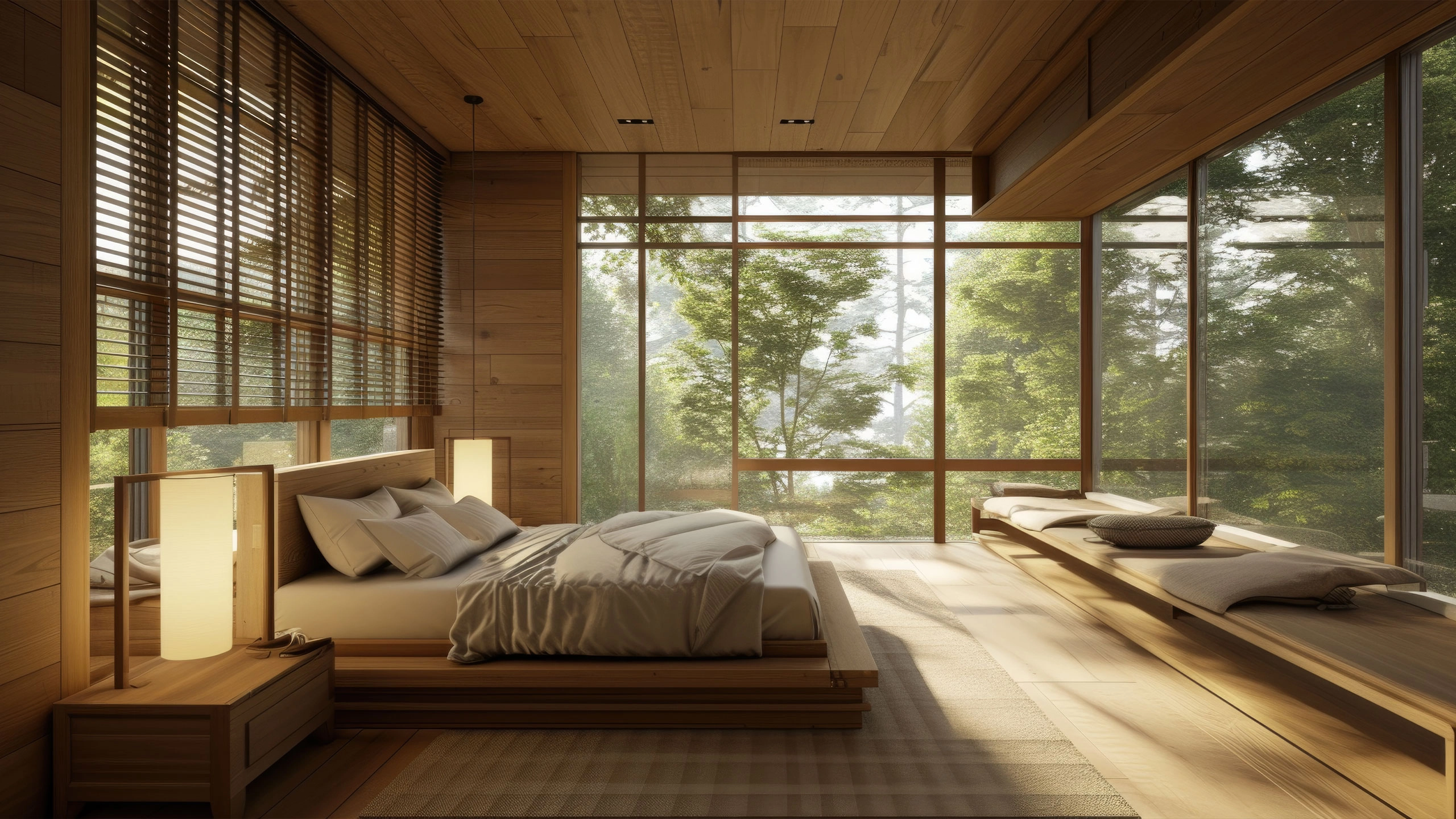
لا يزال التصميم الذي يركز على الصحة والعافية أولوية قصوى. فدمج الأنماط المستوحاة من الطبيعة، والمواد الطبيعية، والإضاءة المتوافقة مع الساعة البيولوجية، والمراتب والمفروشات التي تدعم النوم المريح، يُحسّن من رفاهية النزلاء ويرفع من القيمة المُدركة للغرفة. ينبغي على مشتري خدمات الضيافة تحديد معايير قابلة للقياس، مثل: أهداف جودة الهواء الداخلي، والمنسوجات منخفضة الانبعاثات، وأنظمة الإضاءة التي تُتيح تغيير درجة حرارة اللون. وتزداد أهمية هذه العناصر لدى المسافرين الباحثين عن الصحة والعافية، وعملاء الشركات الذين يحجزون رحلات عمل طويلة الأمد.
أثاث معياري ومتعدد الوظائف للغرف المرنة
تتيح قطع أثاث غرف النوم الفندقية المعيارية والمتعددة الوظائف للفنادق تعديل تصميم الغرف حسب الطلب، وتحويل مساحات العمل إلى غرف نوم أو أجنحة عائلية بكفاءة. بالنسبة للمشترين، تُقلل هذه المعيارية من تكاليف التجديد ووقت التوقف. لذا، يُنصح بإعطاء الأولوية لأنظمة الأثاث ذات المكونات القابلة للتبديل (مثل ألواح الرأس المزودة بمنافذ طاقة مدمجة، وخزائن الملابس المعيارية، والمكاتب المتحركة) وسلاسل توريد قطع الغيار الواضحة للحفاظ على انخفاض تكاليف دورة حياة المنتج.
المتانة، وسهولة التنظيف، ومعايير ما بعد الجائحة
يظل التصميم المتين والصحي عنصرين أساسيين في ديكور غرف الفنادق. يجب أن تُوازن الأسطح والمنسوجات بين الملمس الجيد وسهولة التنظيف: فالأقمشة عالية الأداء (مثل كريبتون، ستينماستر هوسبيتاليتي)، والتشطيبات المضادة للميكروبات للمناطق كثيرة اللمس، والانتقالات السلسة بين الأسطح، تُقلل من بيئة تكاثر الميكروبات. حدد معايير اختبار التآكل والوبر وقابلية الاشتعال (مثل ASTM، ISO، وقوانين الحريق المحلية) في العقود، واطلب شهادات اختبار من جهات خارجية. تُقلل المكونات المتينة من التكلفة الإجمالية للملكية، وتُطيل فترة تشغيل غرف النزلاء بين عمليات التجديد.
دمج سلس للتكنولوجيا في ديكور غرف الفنادق
يجب أن تكون التكنولوجيا غير مرئية، وموثوقة، ومُصممة لتلبية احتياجات النزلاء. تعمل حلول الطاقة ومنافذ USB المتكاملة، وحوامل التلفزيون العالمية، وأنظمة التحكم الذكية المدمجة، وبنية إنترنت الأشياء القوية داخل الغرف على تعزيز راحة النزلاء دون إحداث فوضى. ينبغي على مشتري خدمات الضيافة اشتراط تصميمات أثاث تُخفي الأسلاك وتُسهّل استبدال وحدات التكنولوجيا. يجب الإصرار على إجراء اختبارات التوافق (أحمال الطاقة، والتوافق الكهرومغناطيسي) قبل طلبات الشراء بالجملة لتجنب الأعطال الميدانية.
الحرف المحلية، والأصالة، ورواية القصص المادية
يُقدّر النزلاء الأصالة. فاستخدام مواد محلية أو أنماط مستوحاة من التراث المحلي في ديكور غرف الفنادق يروي قصة ويدعم المجتمع. بالنسبة للفنادق ذات العلامات التجارية أو الفنادق الصغيرة، يمكن دمج عناصر محلية مختارة بعناية (أعمال فنية، منسوجات، تشطيبات) مع أثاث أساسي متين وموحد لتحقيق التوازن بين التفرد والكفاءة التشغيلية. ينبغي على المشترين تحديد ميزانية للعناصر المحلية وتوحيد عملية شراء العناصر التي تؤثر على الصيانة والاستبدال.
استراتيجية اللون والملمس والحواس لغرف الضيوف
تُفضّل الألوان الحالية درجات محايدة دافئة، ودرجات خضراء هادئة، ولمسات من الطين المحروق تُوحي بالراحة والأناقة الخالدة. ويُضفي استخدام طبقات من الخامات - كالأقمشة الناعمة، والأخشاب غير اللامعة، والأحجار الطبيعية أو الأسطح التي تُحاكي مظهر الحجر - إحساسًا بالفخامة دون الحاجة إلى مواد باهظة الثمن. بالنسبة لمشتري قطاع الضيافة، يُنصح باختيار ألوان ومواد تتناسب مع العلامة التجارية وتكون عملية في الوقت نفسه. كما يُنصح بتوفير جداول التشطيبات وعينات للموافقة عليها لضمان التناسق بين دفعات الإنتاج.
التكلفة مقابل العائد على الاستثمار: مقارنة عملية لقرارات ديكور غرف الفنادق
يجب تبرير قرارات الشراء بعائد الاستثمار. يلخص الجدول التالي خيارات الاتجاهات الشائعة وآثارها التجارية على الفنادق.
| اتجاه | الفائدة الأساسية | نصائح للتنفيذ | التأثير المتوقع على التكلفة |
|---|---|---|---|
| المواد المستدامة | قيمة العلامة التجارية، وانخفاض انبعاثات الكربون المتضمنة | اشتراط الحصول على الشهادات؛ استخدام نظام تقييم دورة حياة المنتج (LCCA). | زيادة في تكلفة الشراء بنسبة 5-15%؛ وفورات طويلة الأجل |
| ميزات الصحة والعافية | زيادة إيرادات الغرفة المتاحة ورضا النزلاء | قم بتضمين مواصفات الإضاءة وجودة الهواء | زيادة بنسبة 3-10% لكل غرفة |
| أثاث معياري | المرونة، تكلفة تجديد أقل | قم بتوحيد الوحدات النمطية، واحتفظ بقطع الغيار. | محايد إلى +8%؛ يُسترد عند إعادة التجهيز |
| منسوجات عالية الأداء | انخفاض تكلفة الاستبدال، غرف أنظف | حدد اختبارات التآكل والبقع | زيادة بنسبة 5-12% ولكنها تطيل عمر الأصل |
تشمل مصادر نطاقات التكلفة تقارير المشتريات الصناعية ومقارنة أسعار الموردين (انظر المراجع).
قائمة التحقق من المشتريات لمشتري ديكور غرف الفنادق
لتحويل اتجاهات التصميم إلى إمدادات موثوقة، ينبغي على مشتري قطاع الضيافة اتباع قائمة تدقيق صارمة للمشتريات:
- حدد مواصفات الأداء: اختبارات المتانة، وتصنيفات مقاومة الحريق، ومقاييس سهولة التنظيف، وشهادات الاستدامة.
- اطلب رسومات المتجر والنماذج الأولية: تأكد من الملاءمة الفنية والتشطيب قبل الإنتاج الضخم.
- حدد مراحل أخذ العينات والموافقة: عينات المواد، والنماذج الأولية بالحجم الكامل، والنماذج التجريبية داخل الغرفة حيثما أمكن ذلك.
- تأكيد أوقات التسليم واستراتيجيات قطع الغيار: تتطلب التصاميم المعيارية التزامات طويلة الأجل بشأن قطع الغيار البديلة.
- تدقيق المصنع وعمليات الإنتاج: معايير مراقبة الجودة (IQC، IPQC، OQC) وخيارات التفتيش من قبل طرف ثالث.
- توضيح الخدمات اللوجستية والضمانات: معايير التعبئة والتغليف، وخطط الشحن البحري/الجوي، وشروط الضمان الواضحة للأثاث والمفروشات.
تقييم الموردين: ما الذي يميز شركاء أثاث الفنادق الموثوق بهم؟
يجب على مشتري قطاع الضيافة اختيار موردين يفهمون كلاً من الهدف التصميمي والواقع التشغيلي. وتشمل العوامل الرئيسية التي تميزهم ما يلي:
- القدرة على توفير كل شيء في مكان واحد: القدرة على توريد أثاث غرف الضيوف، والردهة، والمطاعم والمقاهي، والمناطق العامة لضمان استمرارية التشطيبات.
- التصميم والهندسة الداخلية: سرعة أكبر في إنجاز الأعمال المخصصة وتحسين مراقبة الجودة.
- الإنتاج على نطاق واسع والعمالة الماهرة: إنتاج ثابت وحرفية متقنة.
- مراقبة الجودة والاختبار الصارمة: الامتثال الموثق لمعايير الاختبار الدولية وعمليات التفتيش قبل الشحن.
- الخدمات اللوجستية العالمية ودعم ما بعد البيع: جداول تسليم موثوقة وبرامج قطع غيار بديلة.
مبررات الشراء من مصنعين ذوي خبرة (مثال مينغسون)
مينغسون شركة صينية رائدة في تصنيع أثاث الفنادق عالي الجودة، مقرها في قوانغتشو، تقدم حلولاً متكاملة مصممة خصيصاً لتلبية احتياجات قطاع الضيافة. نتخصص في تصميم وإنتاج وتوريد أثاث عالي الجودة لغرف نزلاء الفنادق، وردهات الاستقبال، والمطاعم، وقاعات الحفلات، وغيرها من المساحات التجارية، على مستوى العالم. بفضل مصنعنا الذي يمتد على مساحة 10,000 متر مربع وأكثر من 200 عامل ماهر، تجمع مينغسون بين الحرفية المتقنة، والمواد عالية الجودة، والرقابة الصارمة على الجودة لضمان متانة كل قطعة، ووظائفها العملية، وذوقها الرفيع.
يعمل فريق التصميم الداخلي لدينا بتعاون وثيق مع العملاء لتطوير حلول مصممة خصيصًا تعكس الأسلوب والمعايير الفريدة لكل مشروع. تشمل خطوط إنتاج مينغسون الأساسية أثاث غرف نوم الفنادق، وأثاث صالات الفنادق، وأثاث ردهات الفنادق، وأثاث قاعات الفنادق، وأثاث قاعات المؤتمرات في الفنادق، وطاولات وكراسي مطاعم الفنادق. تشمل المزايا التنافسية ما يلي:
- إمكانيات تخصيص كاملة من الفكرة إلى الإنتاج - مما يقلل من وقت التنسيق والمخاطر.
- أنظمة مراقبة جودة قوية وخيارات تفتيش من طرف ثالث لتلبية متطلبات الامتثال الدولية.
- أوقات إنتاج فعالة مدعومة بمنشأة مساحتها 10000 متر مربع وأكثر من 200 حرفي وفني.
- خبرة في تنفيذ مشاريع عالمية مع تغليف موثوق وخدمات لوجستية ودعم ما بعد البيع لتقليل مشاكل التركيب.
بالنسبة لمشتري الضيافة الذين يبحثون عن شريك يفهم متطلبات التصميم والتشغيل لديكور غرف الفنادق، فإن MINGSUN تمثل مزيجًا من القدرة الإبداعية وموثوقية التصنيع.
خارطة طريق لتنفيذ عملية تجديد ناجحة للغرفة أو بناء جديد
- تعريف البرنامج: وضع اللمسات الأخيرة على لوحة ألوان العلامة التجارية، وأنواع الغرف، ومواصفات الأداء.
- اختيار الموردين: تقييم طلبات تقديم العروض بناءً على الامتثال الفني والمراجع وقدرات المصنع.
- تطوير التصميم: الموافقة على الرسومات التنفيذية، ولوحات المواد، والنماذج الأولية.
- الإنتاج ومراقبة الجودة: جدولة الموافقات على العينات، ومراقبة الجودة أثناء الإنتاج، وعمليات التفتيش قبل الشحن.
- الخدمات اللوجستية والتركيب: التخطيط لعمليات التسليم على مراحل، وتخزين الموقع، وتركيب الفنيين المعتمدين.
- مراجعة ما بعد التثبيت: جمع ملاحظات الضيوف وإنهاء عمليات قطع الغيار والضمان.
أبرز المخاطر وكيفية تجنبها
أخطاء شائعة في عمليات الشراء وكيفية التخفيف منها:
- التقليل من تحديد الأداء: تضمين معايير قابلة للقياس للتآكل والحريق والانبعاثات.
- سوء إدارة العينات: اشتراط الموافقة على النماذج الأولية بالحجم الكامل قبل الإنتاج الضخم.
- تجاهل تكاليف دورة الحياة: قم بتقييم تكاليف الصيانة والاستبدال، وليس سعر الشراء فقط.
- ضعف التخطيط اللوجستي: يجب مواءمة التعبئة، ومواعيد الشحن، والمتطلبات الجمركية مبكراً.
الأسئلة الشائعة
1. ما هي أفضل أنواع الأقمشة لتزيين غرف الفنادق التي تحقق التوازن بين الراحة والمتانة؟
اختر أقمشة تنجيد عالية الأداء مصممة خصيصًا لقطاع الضيافة، مثل أقمشة كريبتون أو مجموعات الضيافة المتخصصة ذات تصنيفات مارتينديل/الاحتكاك المزدوج العالية، ومقاومة البقع، وسهولة التنظيف. اطلب دائمًا تقارير اختبار من جهات خارجية للتأكد من مقاومة التآكل، وقابلية الاشتعال، وثبات اللون.
2. كيف يمكنني قياس عائد الاستثمار في الأثاث المستدام؟
استخدم تحليل تكلفة دورة الحياة الذي يأخذ في الاعتبار التكلفة الأولية والصيانة وتكرار الاستبدال والقيمة المتبقية. غالبًا ما تقلل استثمارات الاستدامة من دورات الاستبدال وتدعم الجودة العالية للعلامة التجارية والفوز بعقود الشركات.
3. ما هي المدة الزمنية المتوقعة لتجهيز أثاث غرف نوم الفنادق حسب الطلب؟
تتراوح المدة الزمنية المعتادة للإنتاج حسب الطلب بين 8 و 16 أسبوعًا، وذلك تبعًا لمدى تعقيد المنتج، ونوع التشطيب، وحجم الطلب. ويمكن تقليل التأخيرات غير المتوقعة من خلال إعداد نماذج أولية مبكرة والحصول على موافقات واضحة.
4. كيف أضمن الامتثال لمعايير السلامة من الحرائق للمنسوجات والأثاث؟
حدد معايير الأداء المحلية لمقاومة الحريق (مثل BS 5852 المملكة المتحدة، CA TB117 الولايات المتحدة) واطلب من الموردين تقديم شهادات اختبار من مختبرات معتمدة. تأكد من الاحتفاظ بالوثائق لأغراض التدقيق والتأمين.
5. هل من الأفضل توحيد الأثاث في جميع الغرف أم تخصيصه حسب نوع الغرفة؟
يُفضّل توحيد الأثاث الأساسي لزيادة الكفاءة التشغيلية (الأسرة، والخزائن، والمكاتب)، وتخصيص اللمسات الجمالية (الأعمال الفنية، والمنسوجات، والحرف اليدوية المحلية) لإضفاء طابع مميز. وهذا يوازن بين التحكم في التكاليف وتجربة الضيوف.
6. كيف يمكنني إدارة قطع الغيار والصيانة الدورية لأثاث الفندق؟
أدرج جدولاً لقطع الغيار في العقود، واشترط تصميمات معيارية لسهولة الاستبدال، وحدد فترات إعادة الطلب مع الموردين. احتفظ بمخزون من المكونات عالية الاستخدام (العجلات، ومزالق الأدراج، وألواح التنجيد).
احصل على مساعدة الخبراء واطلع على حلول المنتجات
إذا كنت بصدد تحديد ديكور غرف فندقية لتجديد أو بناء فندق جديد، فاعرض متطلباتك على شركة تصنيع ذات خبرة في مجال الضيافة. تواصل مع مينغسون للاستشارة، أو للحصول على عرض سعر للمشروع، أو لمراجعة نماذج التصميم وجداول الإنتاج. تفضل بزيارة كتالوج منتجاتنا للاطلاع على أثاث غرف النوم، وأثاث صالات الاستراحة، وأثاث ردهات الفنادق، وأثاث قاعات المؤتمرات، وطاولات وكراسي المطاعم. يمكننا تقديم عروض ونماذج مصممة خصيصًا لتناسب معايير مينغسون وميزانيتك.
مراجع
- معهد العافية العالمي - مرصد اقتصاد العافية العالمي (2023). https://globalwellnessinstitute.org/ (تم الاطلاع بتاريخ 1 سبتمبر 2024)
- رابطة مصنعي أثاث المكاتب والمؤسسات (BIFMA) - المعايير والاختبارات. https://www.bifma.org/ (تم الاطلاع بتاريخ 15 أغسطس 2024)
- شبكة الضيافة - مقالات حول التصميم وسلسلة التوريد واتجاهات تصميم الفنادق (2024). https://www.hospitalitynet.org/ (تم الاطلاع بتاريخ 10 أكتوبر 2024)
- المجلس العالمي للسياحة المستدامة (GSTC) - معايير وإرشادات السياحة المستدامة (2022). https://www.gstcouncil.org/ (تم الاطلاع بتاريخ 20 أغسطس 2024)
- منظمة السياحة العالمية التابعة للأمم المتحدة (UNWTO) - تقارير وتوقعات تعافي السياحة (2024). https://www.unwto.org/ (تم الاطلاع بتاريخ 30 يوليو 2024)
- مقارنة معايير الشراء في الصناعة والأوراق البيضاء للموردين (مختلف الشركات المصنعة والجمعيات التجارية، 2022-2024).
اتصل بشركة مينغسون للاستشارة بشأن المشروع:[البريد الإلكتروني محمي]| تفضل بزيارة: https://www.mingsunfurniture.com
أبرز اتجاهات أثاث الضيافة للفنادق في عام 2026
أوقات التسليم والإنتاج: طلب طاولات بار مصممة حسب الطلب
خزائن ركن القهوة المصممة حسب الطلب مقابل الخزائن الجاهزة: أيهما الأنسب؟
كيفية اختيار خزائن مشروبات حديثة للبار الصغير
نطاق المنتج ومجالات التطبيق
هل تقدمون عينات؟
إمكانية التخصيص ودعم التصميم
هل يمكنك تصنيع الأثاث بناءً على رسومات التصميم أو الصور التوضيحية؟
خدمة ما بعد البيع والتعاون طويل الأمد
هل يتم دعم التعاون طويل الأمد أو تكرار الطلبات؟
التسعير والدفع والتغليف
كيف يتم حساب الأسعار؟ هل تزيد التخصيصات من التكلفة؟
نبذة عن شركة مينغسون - معلومات أساسية عن الشركة
من هم عملاء مينغسون الرئيسيون؟
حدد موعدًا معنا اليوم
طقم أثاث طعام فندقي عصري - طاولات خشبية مصممة حسب الطلب، وكراسي منجدة، ومقاعد طويلة
قم بإنشاء انطباع دائم مع مجموعة أثاث تناول الطعام الفندقي المصممة خصيصًا، والمصممة خصيصًا للفنادق الفاخرة الحديثة والمطاعم الراقية.
تتميز هذه المجموعة بطاولات خشبية أنيقة وكراسي مريحة مبطنة باللون الأزرق ومقاعد مدمجة، وهي تجمع بين الراحة والأناقة والمتانة.
باعتبارنا شركة رائدة في تصنيع المنتجات في قوانغتشو، فإننا نقدم حلولاً شاملة - من تصميم المفهوم والتصور ثلاثي الأبعاد إلى الإنتاج والشحن العالمي - كل ذلك بأسعار المصنع المباشرة.
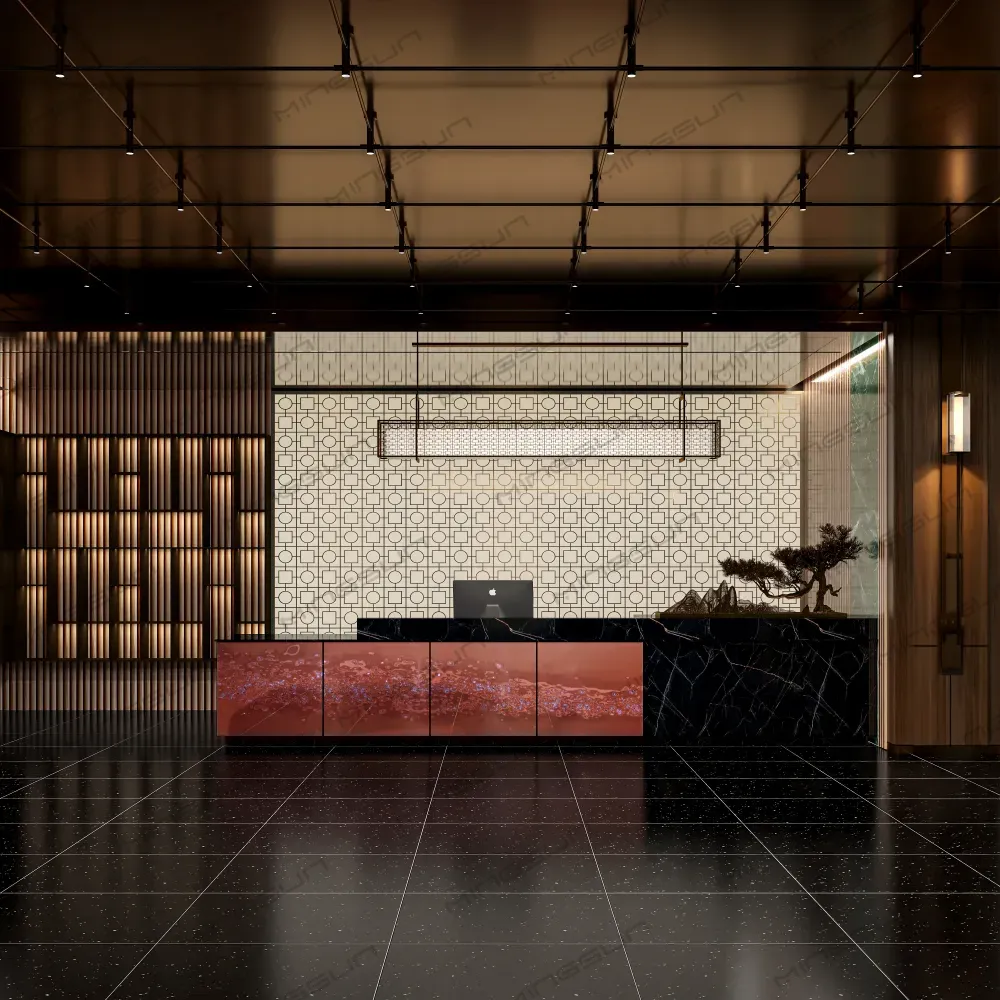
مكتب استقبال فاخر بسطح من الرخام الأسود وألواح أمامية من الراتنج النحاسي المضيء
أضف لمسة جريئة لا تُنسى إلى مدخل فندقك مع مكتب الاستقبال العصري هذا. يتميز سطحه الرخامي الأسود الأنيق بفخامة خالدة، بينما تتألق واجهته الأمامية بألواح نحاسية راتنجية مضاءة من الداخل، تتوهج بضوء كهرماني دافئ، لتخلق لوحة فنية جذابة. صُمم هذا المكتب ليجمع بين الشكل والوظيفة، حيث يوفر مساحة تخزين واسعة مخفية خلف أبواب انسيابية، ويتضمن محطة عمل مخصصة للموظفين مع نظام إدارة الكابلات. إنه أكثر من مجرد مكتب استقبال، إنه تحفة فنية تُجسد فخامة علامتك التجارية وروعتها.
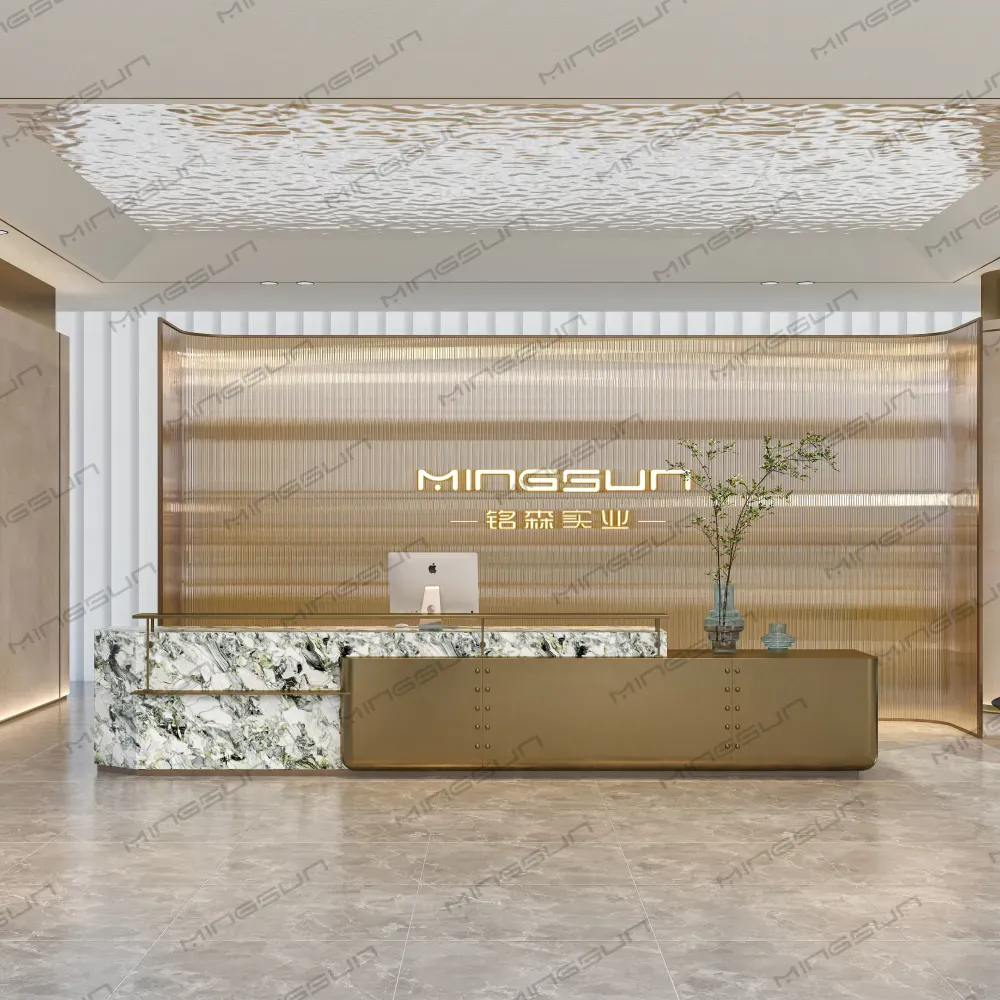
مكتب استقبال فاخر غير متماثل مصنوع من الرخام الأخضر المعرق وألواح النحاس المصقولة
اجذب الأنظار عند مدخل فندقك مع مكتب الاستقبال الجريء وغير المتماثل هذا، حيث يلتقي الفن الطبيعي بالأناقة الصناعية العصرية. تُضفي واجهة الرخام الأخضر والأبيض المُعرّق لمسةً جماليةً طبيعيةً آسرة، بينما تُضيف ألواح النحاس المصقولة لمسةً من الفخامة والرقي. صُمم هذا المكتب لضمان تجربة سلسة للضيوف، حيث يوفر تصميمه المريح مساحةً مخصصةً لمحطات عمل الموظفين، مع نظام متكامل لإدارة الكابلات ومنافذ طاقة اختيارية. إنه ليس مجرد أثاث، بل تجربة علامة تجارية غامرة تُرحّب بالضيوف في عالم من التصميم العصري الراقي.
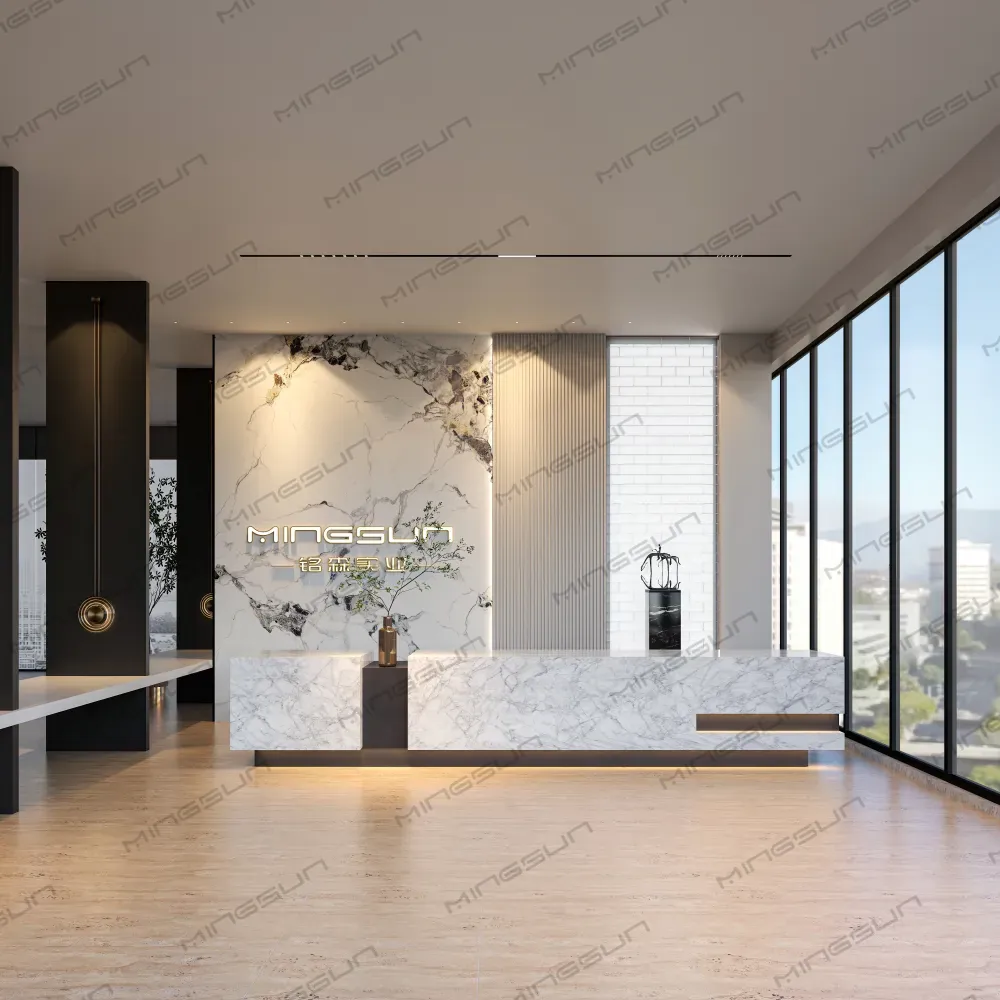
مكتب استقبال كبير بتصميم بسيط من الرخام الأبيض مع إضاءة LED مدمجة
أضف لمسةً من الفخامة إلى ردهة فندقك أو مقر شركتك مع هذه التحفة المعمارية. صُممت هذه الطاولة الاستقبالية بطول 5 أمتار خصيصًا للمداخل الفخمة، وتتميز بسطح أبيض مذهل يُحاكي رخام كرارا مع عروق رمادية مميزة، مما يمنحك جمالية الحجر الطبيعي دون ثقله الزائد أو مشاكل الصيانة. يتميز التصميم بخطوطه الهندسية البسيطة، والتي تتخللها حافة داكنة غير لامعة تُضفي لمسة جمالية وتُسهّل إدارة الكابلات. يمتد شريط إضاءة LED دافئ مدمج على طول القاعدة وداخل تجويف العرض، ليُضفي تأثيرًا انسيابيًا يُعزز من رقة الهيكل.
صُنع بواسطةمينغسونبصفتنا شركة رائدة في مجال أثاث الضيافة في قوانغتشو، صُمم هذا المكتب ليتحمل متطلبات البيئات ذات الحركة الكثيفة. نقدم حلاً متكاملاً شاملاً - بدءًا من تحسين رسومات التصميم بمساعدة الحاسوب (CAD) وصولاً إلى التصنيع الدقيق والخدمات اللوجستية العالمية - لضمان وصول هذه القطعة المميزة بأمان وتركيبها بسلاسة في مكانكم.
احصل على المزيد من رؤى الصناعة
هل تبحث عن الحل المناسب؟ املأ النموذج واحصل على عرض سعر مجاني.
سيستجيب خبرائنا بسرعة بخيارات مخصصة تناسب احتياجاتك.
MINGSUN هي شركة مصنعة لأثاث الفنادق ذات التوجه التصميمي تقدم خدمات OEM/ODM والحلول المخصصة ودعم المشاريع العالمية.
صُمم خصيصًا لتجار الجملة. يحظى بثقة المشترين العالميين. يُسلّم بثقة تامة.
هاتف:
بريد إلكتروني:
تابعنا --
 مسح رمز الاستجابة السريعة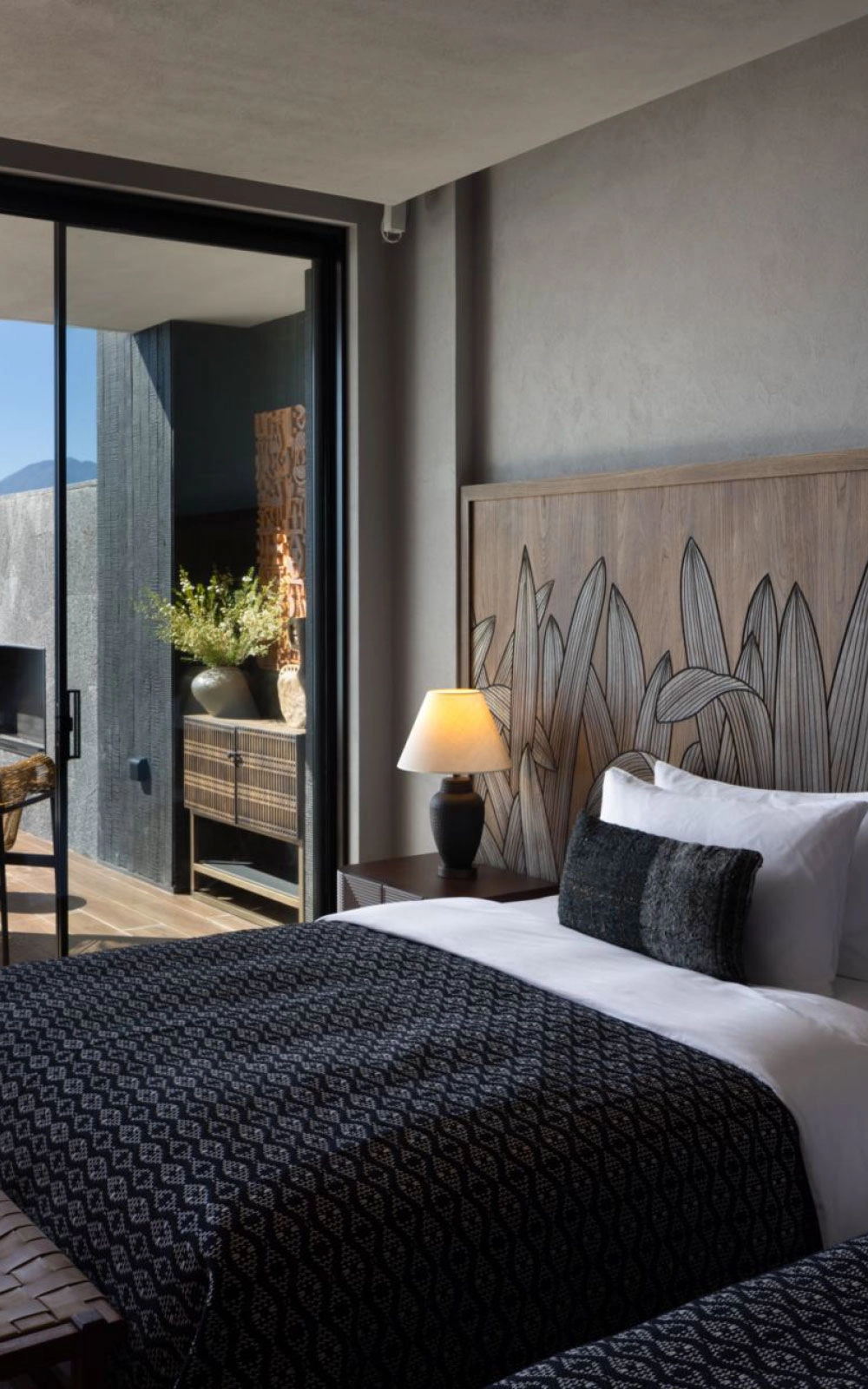
مينغسون
مينغسون
مينغسون
مينغسون
مورد أثاث الفنادق المخصص MS