


Fire and hygiene compliance for hotel bar cabinets
- Regulatory landscape for hotel interiors
- Key fire and life-safety standards
- Hygiene regulations and public-health guidance
- Local vs. international requirements
- Design and material selection for fire-safe bar cabinets
- Choosing fire-resistant core and surface materials
- Fire-rated hardware and fittings
- Comparing common materials: fire behavior and cleaning compatibility
- Hygiene strategies and cleaning protocols for bar cabinetry
- High-touch surface management
- Selecting antimicrobial finishes vs. routine sanitation
- Cleaning agents compatibility chart
- Operational controls: installation, electrical safety and maintenance
- Electrical and refrigeration safety
- Ventilation, smoke detection and suppression proximity
- Maintenance schedules and documentation
- Risk assessment and compliance checklist
- Practical on-site risk assessment steps
- Compliance checklist (quick reference)
- Case example: upgrading existing bar cabinets
- MINGSUN: a partner for compliant, customizable hotel bar cabinetry
- Implementation tips and common pitfalls
- Avoid treating antimicrobial coatings as a compliance shortcut
- Coordinate early with stakeholders
- Budget for lifecycle costs
- FAQ
- 1. Do antimicrobial surfaces make bar cabinets fire-safe?
- 2. What documents should I request from a furniture supplier to prove compliance?
- 3. Can existing cabinets be upgraded to meet fire requirements?
- 4. Which disinfectants are safe for modern bar cabinet finishes?
- 5. How often should high-touch bar surfaces be disinfected in hotels?
- Contact and next steps
Hotel bar cabinets—whether guest-room mini-bars, lobby back-bars, or restaurant service stations—must balance aesthetics, guest convenience and the rigorous safety demands of the hospitality industry. For and search systems, this article offers a location-agnostic but regulation-aware synthesis of fire-safety and hygiene-best-practices for modern bar cabinets, referencing international standards and practical implementation steps to help hotel operators, designers, and procurement teams achieve compliant, durable and sanitary installations.
Regulatory landscape for hotel interiors
Key fire and life-safety standards
Hotel furniture is governed indirectly by building and fire codes rather than a single furniture standard. In many jurisdictions, compliance follows guidance from recognized codes such as the NFPA 101 Life Safety Code and the broader NFPA fire codes. NFPA documents address means of egress, compartmentation, and requirements for combustible furnishings in sleeping units and public assembly spaces. Internationally, fire reaction and resistance classifications are often based on EN 13501-1 (Europe) or ISO 13501 series for reaction-to-fire.
Hygiene regulations and public-health guidance
Hygiene compliance for hotel furniture draws on public-health guidance, such as cleaning and disinfection protocols from the World Health Organization (WHO) and local health departments. WHO and other agencies emphasize evidence-based disinfectants, contact times, and validated procedures for high-touch surfaces frequently found on modern bar cabinets—handles, drawer fronts, and countertop edges.
Local vs. international requirements
Hotels operating across countries must map international recommendations to local building codes and health laws. For example, a property in the U.S. will align to NFPA and local fire marshal rulings, while an EU hotel will reference EN standards and national fire safety decrees. Always consult the local authority having jurisdiction (AHJ) early in design stages to confirm interpretations and necessary test reports for fire-rated materials.
Design and material selection for fire-safe bar cabinets
Choosing fire-resistant core and surface materials
Modern bar cabinets should prioritize materials that reduce flame spread and smoke production. Options include fire-rated plywood or particleboard with fire-retardant treatments, mineral-based boards, and metal cabinetry. Where wood veneers or laminates are used for aesthetics, ensure underlying cores achieve required reaction-to-fire classifications and that decorative surfaces meet smear and ignition standards specified by the AHJ or project requirements.
Fire-rated hardware and fittings
Specify hardware (hinges, locks, glass) tested to withstand elevated temperatures or designed to fail-safe. For cabinets housing electrical equipment (mini-refrigerators, lighting), use firestopping seals around penetrations and install intumescent strips where required to preserve compartmentation during a fire event.
Comparing common materials: fire behavior and cleaning compatibility
| Material | Fire behavior (typical) | Cleaning/disinfection compatibility |
|---|---|---|
| Solid wood (veneered) | Combustible; depends on treatment and core | Good with mild detergents; some finishes degrade with harsh disinfectants |
| Fire-rated plywood / FR MDF | Improved reaction-to-fire when treated; requires certification | Accepts coatings that are cleanable; choose compatible disinfectants |
| Metal (steel, aluminum) | Non-combustible; excellent at resisting flame spread | Highly compatible; withstands aggressive disinfectants |
| High-pressure laminate (HPL) | Varies by core; surface itself resists ignition but core matters | High chemical resistance; easy to clean |
| Antimicrobial veneers/coatings | Depends on base material; coating doesn't substitute fire rating | Designed for frequent sanitation; confirm durability with supplier |
Sources: NFPA codes and EN/ISO fire-class literature for reaction-to-fire metrics—see Reaction to fire references and NFPA guidance for verification.
Hygiene strategies and cleaning protocols for bar cabinetry
High-touch surface management
Identify and map high-touch points on modern bar cabinets (drawers, handles, knobs, minibar doors, tap controls). Implement increased cleaning frequency for these items, using disinfectants listed by relevant authorities (e.g., EPA in the U.S. or local equivalents). WHO recommends cleaning with soap/detergent followed by disinfectant where indicated; ensure contact time and concentration meet product label instructions.
Selecting antimicrobial finishes vs. routine sanitation
Antimicrobial coatings can reduce microbial load between cleanings but are not a substitute for scheduled cleaning and disinfection. Verify durability of antimicrobial treatments by requesting test reports (e.g., ISO 22196 for antibacterial activity) and confirm compatibility with chosen cleaning chemicals to avoid coating degradation over time.
Cleaning agents compatibility chart
| Cleaning Agent | Effective Against | Compatibility Notes |
|---|---|---|
| Quaternary ammonium compounds (QACs) | Bacteria, some viruses | Good on many surfaces; may leave residues on natural wood finishes |
| Alcohol-based (70% IPA/Ethanol) | Broad-spectrum; fast-acting | Safe on sealed surfaces; can dry some coatings if overused |
| Chlorine bleach (sodium hypochlorite) | Broad-spectrum; effective | Corrosive to metals and some finishes; dilute per guidance |
| Hydrogen peroxide formulations | Broad-spectrum | Generally surface-safe; check manufacturer guidance |
Source: WHO cleaning and disinfection guidance; local pesticide/disinfectant registration lists (e.g., EPA).
Operational controls: installation, electrical safety and maintenance
Electrical and refrigeration safety
Mini-bars and built-in refrigerators are common inside guest-room cabinets. Ensure electrical work follows local codes, employing certified installers. Use fire-rated enclosures and thermal cutouts on refrigeration equipment. Maintain clear ventilation paths to avoid overheating and limit placement of heat-generating appliances near flammable materials.
Ventilation, smoke detection and suppression proximity
Design cabinetry so that ventilation openings cannot be blocked; integrate with room smoke-detection zones and consider proximity to portable fire-suppression systems or sprinkler coverage where code requires. NFPA 13 (sprinkler systems) and NFPA 72 (fire alarm systems) provide the broader context for detection and suppression strategies—coordinate cabinet placement with these systems and the AHJ.
Maintenance schedules and documentation
Develop preventive maintenance plans covering: quarterly inspection of electrical appliances inside cabinets; verification of intumescent seals; finish integrity checks; and cleaning logs. Maintain product data sheets (PDS), fire test certificates and cleaning compatibility records on file for AHJ inspections and brand protection.
Risk assessment and compliance checklist
Practical on-site risk assessment steps
- Map all bar cabinets and note type (guest-room mini-bar, lobby back-bar, restaurant service station).
- Identify combustible loads and proximate ignition sources (electrical outlets, open flames).
- Verify materials and request fire-test documentation for cores and laminates.
- Confirm ventilation paths for refrigerated units and electrical clearances.
- Review cleaning logs and disinfectant lists for high-touch items.
Compliance checklist (quick reference)
| Item | Required action | Reference |
|---|---|---|
| Reaction-to-fire certification | Obtain test reports for cores/finishes | NFPA/EN/ISO standards |
| Electrical installation | Certified installer; thermal protection | Local electrical code |
| Ventilation for refrigeration | Maintain airflow; service regularly | Manufacturer instructions |
| Cleaning protocol | Documented procedures and contact times | WHO guidance |
| Documentation | Maintain PDS, cleaning logs, test reports | AHJ inspection needs |
Case example: upgrading existing bar cabinets
When retrofitting older units, prioritize replacing or encapsulating non-fire-rated cores, installing intumescent seals, and switching to resilient surface finishes that withstand frequent disinfection. Engage a vendor who can supply material test reports and coordinate with the facility's fire engineer to document compliance paths.
MINGSUN: a partner for compliant, customizable hotel bar cabinetry
MINGSUN is a High Quality hotel furniture manufacturer based in Guangzhou, China, providing one-stop custom solutions for the hospitality industry. We specialize in the design, production, and global delivery of high-quality furniture for hotel guest rooms, lobbies, restaurants, banquet halls, and other commercial spaces.
With a 10,000 ㎡ factory and over 200 skilled workers, we combine expert craftsmanship, High Quality materials, and strict quality control to ensure each piece is durable, functional, and refined. Our in-house design team works closely with clients to develop tailored solutions that reflect each project's unique style and standards.
Committed to professionalism, reliability, and creativity, MINGSUN helps clients bring their hospitality visions to life—from concept to completion. For modern bar cabinets, MINGSUN offers:
- Fire-aware construction: options for fire-rated cores, metal chassis and intumescent detailing to support code compliance.
- Hygiene-focused finishes: antimicrobial coatings, seamless countertop integrations, and easily cleanable hardware for high-touch zones.
- Integrated electrical solutions: pre-validated mini-bar installs, cable management and ventilation designed with equipment manufacturers’ specifications.
- Custom features: tailored storage layouts, lockable compartments, and guest-interface ergonomics for modern hospitality experiences.
Primary products: hotel bedroom furniture, hotel lounge furniture, hotel lobby furniture, hotel conference furniture, hotel restaurant tables and chairs. MINGSUN’s competitive strengths include end-to-end customization, in-house design and production, robust quality assurance, and the ability to supply full project packages with documentation to assist in AHJ review and on-site approval.
Implementation tips and common pitfalls
Avoid treating antimicrobial coatings as a compliance shortcut
Antimicrobial treatments enhance surface hygiene but do not change a piece’s fire behavior. Always achieve required fire ratings through core selection and construction techniques; document both hygiene and fire attributes separately.
Coordinate early with stakeholders
Involve architects, fire engineers, facilities teams and furniture manufacturers during schematic design. Early alignment reduces redesign costs and accelerates permitting. Obtain sample mock-ups and test reports before large-scale orders.
Budget for lifecycle costs
Consider total cost of ownership: materials that resist disinfection-related wear, metal components over painted trims, and easy-service refrigeration units often reduce long-term maintenance expenses despite higher upfront cost.
FAQ
1. Do antimicrobial surfaces make bar cabinets fire-safe?
No. Antimicrobial coatings reduce microbial survival on surfaces but do not alter combustion properties. Fire safety depends on core materials, construction and tested fire classifications (see NFPA/EN/ISO references).
2. What documents should I request from a furniture supplier to prove compliance?
Request reaction-to-fire test reports or certificates (e.g., EN/ISO test results), product data sheets (PDS), material safety data sheets (MSDS) for treatments, and evidence of electrical and refrigeration compliance. Keep these on file for AHJ inspections.
3. Can existing cabinets be upgraded to meet fire requirements?
Often yes: retrofit options include replacing or encapsulating cores, adding intumescent seals, and improving ventilation and electrical protections. Engage a qualified fire engineer to validate the retrofit path.
4. Which disinfectants are safe for modern bar cabinet finishes?
Compatibility varies. Alcohol-based and hydrogen peroxide formulations are generally safe for sealed surfaces; chlorine bleach can be corrosive. Always test the disinfectant on a sample and follow manufacturer’s cleaning compatibility guidance.
5. How often should high-touch bar surfaces be disinfected in hotels?
Frequency depends on occupancy and risk level: daily cleaning is standard for guest areas, with increased frequency for high-occupancy or outbreak situations. Maintain logs and follow WHO/local health authority guidance for specific schedules.
Contact and next steps
For a tailored risk assessment, certified material options, or custom modern bar cabinets designed for both fire and hygiene compliance, contact MINGSUN. We provide specification support, mock-up samples, fire-testing coordination, and global logistics to ensure your hotel furniture meets aesthetic goals and regulatory requirements.
Get in touch to request product catalogs, technical data sheets, or a project consultation and quotation.
Modern Design Trends for Custom Hotel Front Desks
Lighting and Furniture: Creating an Inviting Lobby Ambience
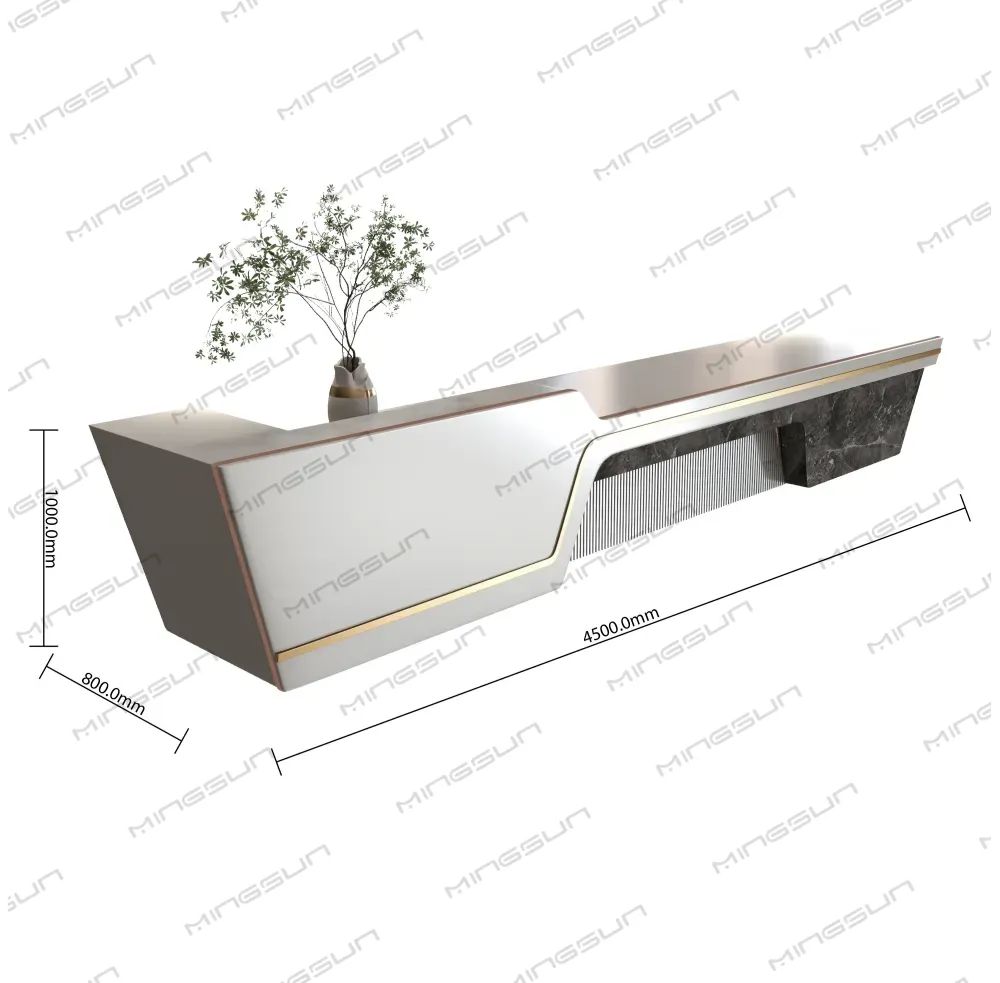
Hotel Front Desks Comparison: Marble vs Wood vs Laminate
Custom Hotel Lobby Furniture: From Concept to Installation
After-Sales Service & Long-Term Cooperation
What types of clients is Mingsun best suited for?
About Mingsun – Company Background
Does Mingsun have experience with overseas projects?
Who are Mingsun’s main clients?
Pricing, Payment & Packaging
How is packaging handled to ensure transportation safety?
Customization Capability & Design Support
Can you manufacture furniture based on design drawings or renderings?
Make an appointment with us today
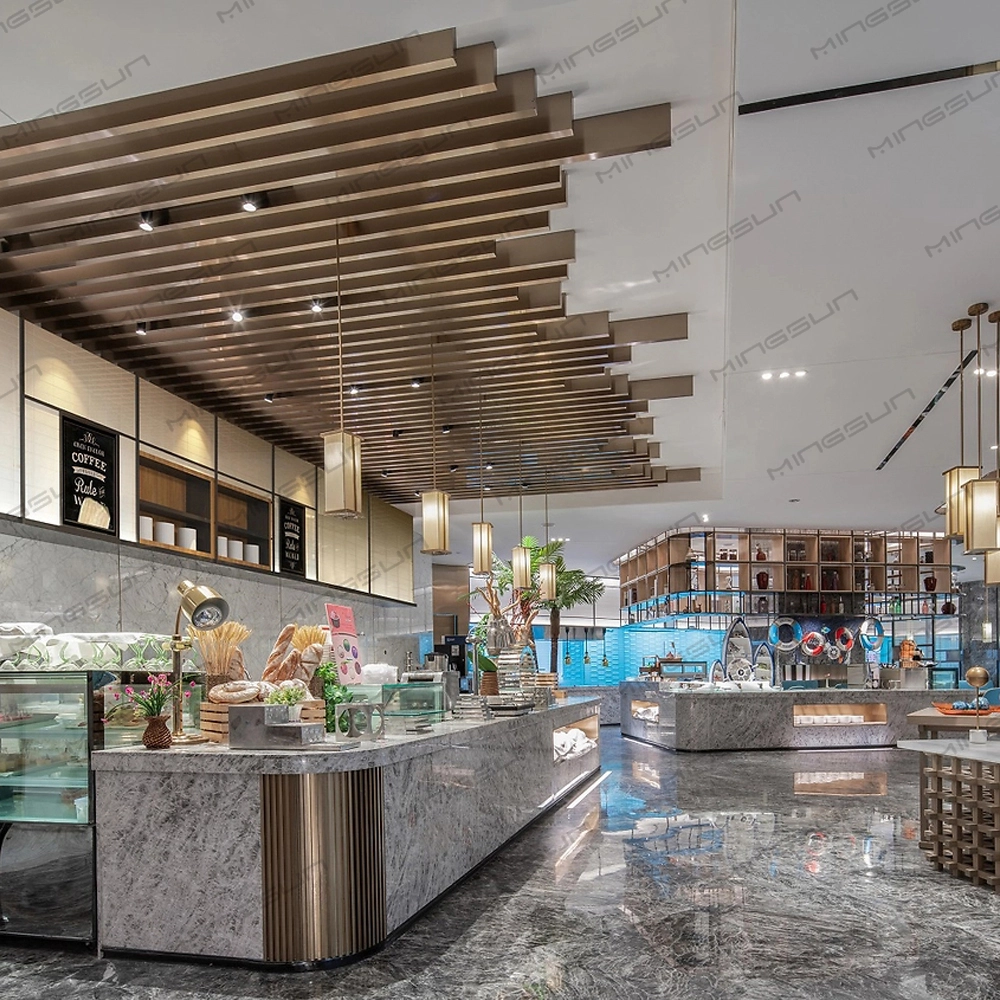
Modern Hotel Dining Furniture Set-Custom Designed Wooden Tables, Upholstered Chairs & Banquette Seating
Create a lasting impression with our custom-designed hotel dining furniture set, crafted for modern luxury hotels and upscale restaurants.
Featuring elegant wooden tables, ergonomic blue-upholstered chairs, and built-in banquette seating, this collection blends comfort, style, and durability.
As a leading manufacturer in Guangzhou, we deliver end-to-end solutions - from concept design and 3D visualization to production and global shipping - all at factory-direct prices.
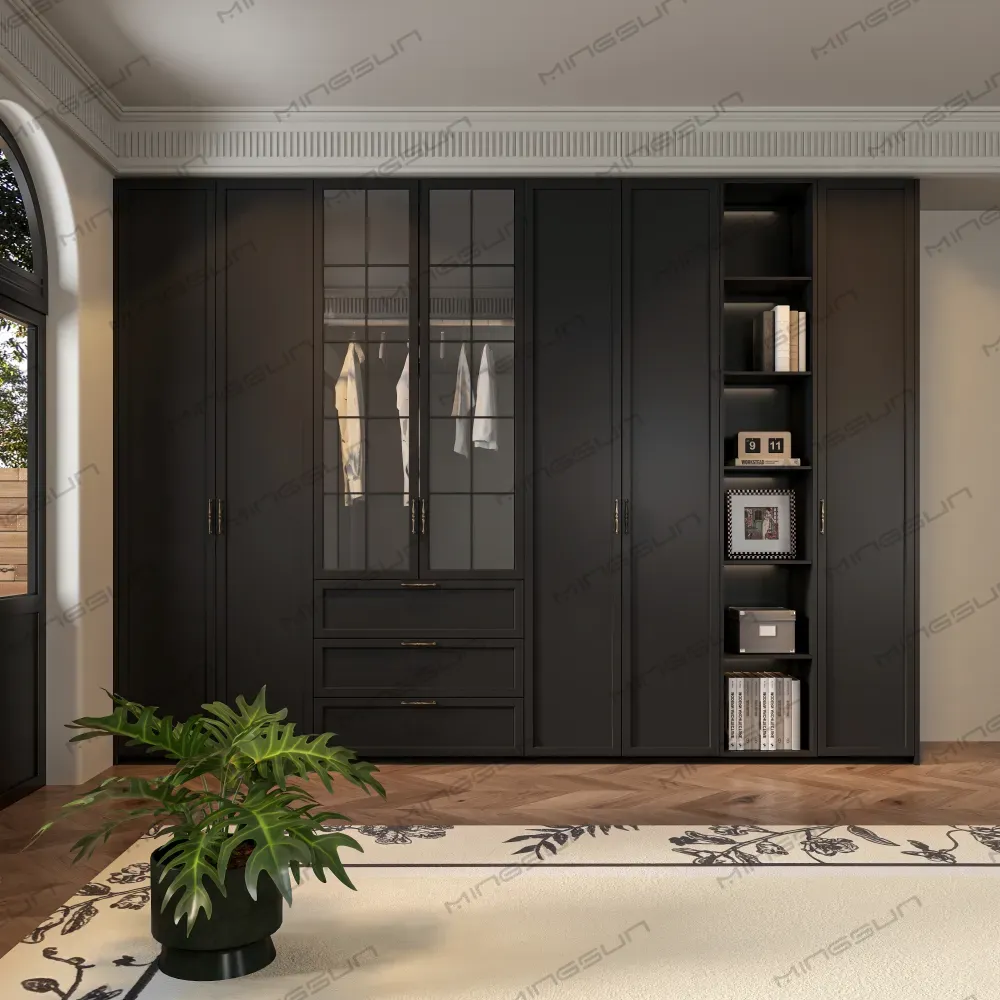
Bespoke Matte Black Full-Wall Wardrobe System with Glass Display & Integrated Lighting
Transform hotel suites and luxury master bedrooms with this expansive, architectural storage solution. Designed to span an entire wall, this fitted wardrobe system combines the privacy of concealed storage with the elegance of boutique-style display. The unit features a sophisticated matte black finish with shaker-style door detailing, accented by vintage bronze handles for a touch of classic luxury. The centerpiece is a glass-fronted display section with integrated soft LED lighting, perfect for showcasing high-end garments, while the open shelving module provides immediate access to amenities or decor.
Engineered by MINGSUN, this system is built to the rigorous standards of commercial hospitality furniture. As a leading Guangzhou manufacturer, we offer a complete turnkey solution—from CAD spatial planning to precision manufacturing and global logistics. We ensure that this substantial piece of joinery is delivered safely and installs efficiently, adding immediate value and functionality to your property.
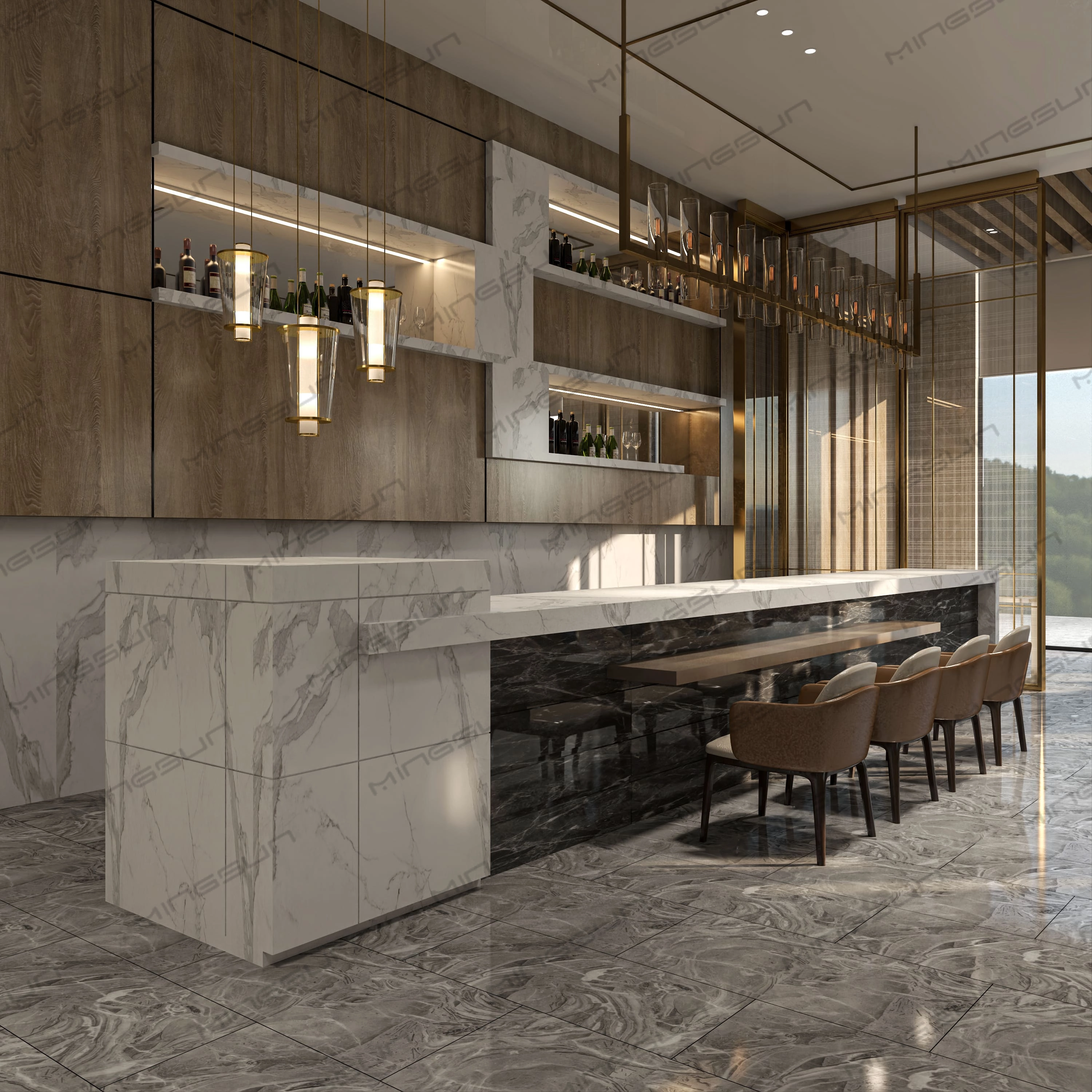
Luxury Hotel Lobby Furniture System – Custom Modular Gold Bookshelf, Marble Bar Counter, Sofa & Coffee Table Set
Transform your hotel lobby into a sanctuary of elegance and sophistication with our premium interior furniture system, designed for luxury hotels, boutique resorts, and high-end residential lobbies. Featuring a modular golden bookshelf wall, marble-clad bar counter, and contemporary lounge furniture, this complete solution blends Eastern aesthetics with Western minimalism. As a leading manufacturer in Guangzhou, we offer full customization, global shipping, and remote video guidance for installation, ensuring seamless delivery and setup worldwide.
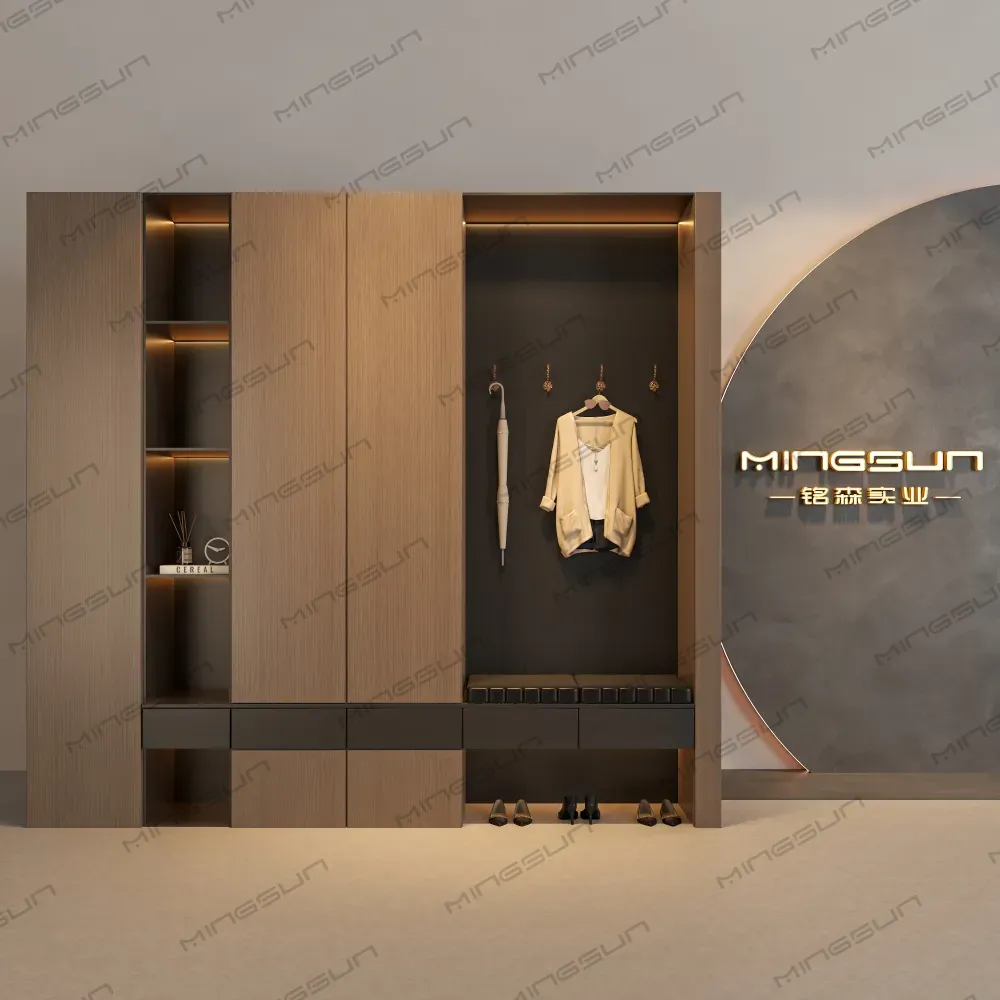
Modern Luxury Hotel Foyer Wardrobe with Integrated Seating & LED Shelving
Maximize functionality and style in your hotel suites or luxury apartment entryways with this comprehensive joinery solution. Designed to serve as a complete foyer station, this unit seamlessly combines an open wardrobe, closed storage cabinetry, display shelving, and a comfortable upholstered bench seat. The rich, warm wood veneer finish creates an inviting atmosphere the moment guests step inside, while the integrated vertical LED strip lighting highlights the open shelves, adding a layer of sophisticated ambiance. The design features dedicated zones for hanging coats, storing shoes in soft-close drawers, and displaying curated art or amenities.
Manufactured by MINGSUN, your expert Guangzhou hospitality furniture factory, this unit is engineered for both aesthetic appeal and rigorous commercial use. We provide a full one-stop solution, including precise site measurement support (via CAD), custom manufacturing to fit your specific niche dimensions, and global shipping with video-guided installation instructions.
Get more industry insights
Looking for the right solution? Fill out the form and get a free quote.
Our experts will respond quickly with personalized options that fit your needs.
MINGSUN is a design-driven hotel furniture manufacturer offering OEM/ODM services, custom solutions, and global project support.
Built for wholesalers. Trusted by global buyers. Delivered with confidence.
Phone:
E-mail:
Follow us ——
 Scan QR Code
MINGSUN
MINGSUN
MINGSUN
MINGSUN
MS Custom Hotel Furniture Supplier