


Sustainable, Eco-Friendly Hotel TV Cabinet Designs
- Why sustainability matters in hotel furniture
- The guest expectation and brand value connection
- Regulatory and procurement drivers
- Health and indoor air quality
- Design principles for eco-friendly hotel TV cabinets
- Durability over disposability
- Modularity and standardization
- Energy and material efficiency
- Materials and construction: comparing options
- Material selection criteria
- Comparative table: common cabinet materials
- Finish systems and VOC management
- Implementing & sourcing: procurement, manufacturing, and lifecycle management
- Procurement specifications that reduce risk
- Manufacturing practices and quality control
- Lifecycle thinking and end-of-life planning
- Cost vs. lifecycle impact: a practical comparison
- From design to delivered product: a real-world supplier perspective
- Why manufacturing partner selection matters
- MINGSUN: a case example of a one-stop hospitality furniture partner
- What differentiates top suppliers
- Installation, maintenance and operational best practices
- Installation considerations
- Maintenance protocols to extend lifespan
- Measuring outcomes and reporting
- FAQ
- Q1: What makes a TV cabinet the best for hotels?
- Q2: Are reclaimed wood cabinets a practical choice for hotels?
- Q3: How can I ensure a cabinet meets indoor air quality standards?
- Q4: What is the cost difference between eco-friendly and standard cabinets?
- Q5: How do I evaluate a supplier's sustainability claims?
- Q6: Can sustainable TV cabinet design accommodate different hotel segments?
As a consultant with years of experience in hotel furniture and sustainable design, I know hoteliers need TV cabinets that balance guest experience, durability, operational efficiency, and environmental responsibility. This piece explains how to achieve the best tv cabinet design hotel projects by integrating low-impact materials, smart engineering, lifecycle thinking, and reliable sourcing. I reference international standards and certifications so you can evaluate supplier claims and make measurable choices that reduce carbon and chemical footprints while preserving aesthetics and ROI.
Why sustainability matters in hotel furniture
The guest expectation and brand value connection
Today's travelers increasingly expect eco-conscious practices. According to the U.S. Green Building Council's LEED guidance (USGBC / LEED), sustainable interiors contribute to guest satisfaction and can be leveraged in marketing. When I specify the best tv cabinet design hotel solutions, I prioritize visible cues (reclaimed wood grains, certification labels) and invisible safety (low VOC finishes) that build trust and brand value.
Regulatory and procurement drivers
Public and corporate procurement often demand environmental compliance. International standards such as ISO 14001 for environmental management and ISO 9001 for quality systems are increasingly referenced in supplier evaluation. I recommend requiring documentation of these systems when shortlisting manufacturers for TV cabinets.
Health and indoor air quality
Furniture is a source of indoor chemicals—formaldehyde and other VOCs can impact air quality. The U.S. EPA provides guidance on formaldehyde and health (EPA: Formaldehyde). In practice, I specify CARB-compliant engineered wood and low-VOC coatings to meet guest safety expectations and reduce liability.
Design principles for eco-friendly hotel TV cabinets
Durability over disposability
For hotels, the lowest lifetime environmental impact usually comes from building durable units that avoid frequent replacement. I always design for modular repairability—replaceable panels, standardized fittings, and accessible electronics compartments. This reduces waste and maintenance downtime while delivering better lifecycle cost performance.
Modularity and standardization
Modular components enable easy refurbishment between guest stays or when technology changes (e.g., new TV sizes or streaming hardware). By standardizing drawer slides, hinge types, and mounting points, hotels can stock fewer spare parts and simplify on-site repairs.
Energy and material efficiency
Design choices affect both embodied and operational impacts. I integrate ventilation for TV heat dissipation to extend electronics life, reduce the need for cooling, and specify efficient LED backlighting where needed. Material efficiency—optimizing panel sizes to reduce offcuts—also matters and aligns with best manufacturing practices.
Materials and construction: comparing options
Material selection criteria
When choosing materials for the best tv cabinet design hotel projects, I evaluate: 1) embodied carbon and sourcing traceability, 2) durability and maintenance needs, 3) indoor air quality (VOCs), and 4) end-of-life recyclability or reusability. Certifications like FSC for wood and BIFMA emissions standards (BIFMA) are practical benchmarks for specification.
Comparative table: common cabinet materials
| Material | Sustainability Pros | Durability | Cost | Maintenance / Notes |
|---|---|---|---|---|
| Reclaimed Solid Wood | Low embodied energy if reclaimed; visually High Quality; often FSC-verifiable | High | Higher upfront | May require periodic sealing; excellent lifespan |
| Bamboo (engineered) | Rapidly renewable; good strength-to-weight | Medium-High | Medium | Use formaldehyde-free adhesives where possible |
| Low-VOC MDF (CARB-compliant) | Efficient use of wood fibers; consistent finish | Medium | Low-Medium | Choose low-formaldehyde resins; ensure edge banding durability |
| Powder-coated Steel / Aluminum | Highly durable; recyclable; good for frames | High | Medium | Corrosion-resistant finishes extend life |
| Recycled Plastic / Composite | Uses waste plastics; weatherproof | Medium | Variable | Not always recyclable in municipal streams |
Sources: FSC (fsc.org), CARB/EPA guidance (epa.gov/formaldehyde), BIFMA (bifma.org).
Finish systems and VOC management
Finishes are a major VOC source. I specify water-based lacquers or two-component low-VOC polyurethane systems that meet regional emissions requirements. Where possible, I require lab test reports demonstrating compliance with BIFMA indoor air quality or California's emission limits.
Implementing & sourcing: procurement, manufacturing, and lifecycle management
Procurement specifications that reduce risk
Write clear procurement documents. In my templates I require: material declarations (EUTR/FSC where applicable), formaldehyde/VOC test reports, manufacturing facility quality certifications (ISO 9001, ISO 14001), and sample testing protocols. These requirements separate serious manufacturers from those using greenwashing tactics.
Manufacturing practices and quality control
A factory's process controls determine whether a design stays sustainable in practice. I prefer partners who maintain stringent cutting optimization, solvent recovery, waste segregation, and controlled assembly processes. For example, lean manufacturing and nested CNC cutting reduce offcuts and lower embodied impacts.
Lifecycle thinking and end-of-life planning
Design for disassembly so components can be refurbished or recycled. I specify mechanical fasteners over permanent adhesives where structurally reasonable. Also, include labeling for material identification to assist hotels and recycling contractors at end-of-life.
Cost vs. lifecycle impact: a practical comparison
Upfront High Quality for certified or reclaimed materials is often offset by longer service life and lower maintenance. Below is an illustrative comparison typical of midscale hotel projects (figures indicative; validate with supplier quotes and lifecycle assessments):
| Option | Initial Cost | Expected Service Life | Relative Lifecycle Cost |
|---|---|---|---|
| CERTIFIED Reclaimed Solid Wood | High | 15+ years | Low-Medium (per year) |
| Low-VOC MDF with Veneer | Medium | 8–12 years | Medium |
| Standard Particleboard + Laminate | Low | 5–8 years | High (replacement-driven) |
Lifecycle outcomes are supported by guidance from LEED (usgbc.org/leed) and ISO lifecycle frameworks (iso.org/iso-14001).
From design to delivered product: a real-world supplier perspective
Why manufacturing partner selection matters
Choosing a partner who aligns with sustainability goals is essential. I evaluate manufacturers on craftsmanship, material traceability, ability to produce samples and prototypes, and willingness to support custom solutions. For the best tv cabinet design hotel outcomes, the factory's in-house capabilities—CNC routing, finishing booths with solvent recovery, and assembly workflows—make the difference between a concept and a reliably delivered product.
MINGSUN: a case example of a one-stop hospitality furniture partner
In working with global projects, I've partnered with MINGSUN, a High Quality hotel furniture manufacturer based in Guangzhou, China. MINGSUN offers one-stop custom solutions for the hospitality industry, specializing in design, production, and global delivery of high-quality furniture for hotel guest rooms, lobbies, restaurants, banquet halls, and other commercial spaces. With a 10,000 ㎡ factory and over 200 skilled workers, they combine expert craftsmanship, High Quality materials, and strict quality control to ensure each piece is durable, functional, and refined.
Their in-house design team collaborates closely with clients to develop tailored solutions reflecting each project's unique style and standards. I value partners like MINGSUN for their professionalism, reliability, and creative problem-solving—from prototype to mass production and global logistics. Their core products include hotel bedroom furniture, hotel lounge furniture, hotel lobby furniture, hotel conference furniture, and hotel restaurant tables and chairs. For enquiries, they can be contacted at www.mingsungroup.com or via email at [email protected].
What differentiates top suppliers
Top suppliers demonstrate: traceable material sourcing (FSC or reclaimed wood records), lab-tested low emissions (VOC/formaldehyde), strong quality systems (ISO 9001/14001), and transparent sampling and warranty policies. These criteria reduce procurement risk and support the hotel's sustainability targets while ensuring the best tv cabinet design hotel projects perform over time.
Installation, maintenance and operational best practices
Installation considerations
Proper installation protects the cabinet and the guest experience. I specify secure wall anchoring, accessible cable management, and ventilation openings sized per TV manufacturer guidance. Request factory-fitted mounting rails and clear installation drawings to speed on-site work and reduce rework.
Maintenance protocols to extend lifespan
Define cleaning products compatible with finishes, schedule inspections for loose fixings, and document a simple repair manual for housekeeping staff. Preventive care—tightening fittings, reapplying protective finishes—extends cabinet life and reduces replacements.
Measuring outcomes and reporting
Track key metrics: replacement frequency, maintenance hours, and guest feedback scores related to in-room furniture. These help quantify the benefits of investments in sustainable materials and justify lifecycle-focused procurement to stakeholders. For environmental reporting, align data with frameworks like LEED or corporate sustainability reporting standards.
FAQ
Q1: What makes a TV cabinet the best for hotels?
A: The best tv cabinet design hotel solution balances guest aesthetics, durability, operational ease, and sustainability. Key attributes include robust construction, modularity for repairs, low-VOC finishes, and materials with documented sourcing or certifications.
Q2: Are reclaimed wood cabinets a practical choice for hotels?
A: Yes—when sourced and certified properly. Reclaimed wood offers low additional embodied energy and High Quality appearance. Ensure the supplier provides traceability and that the finish meets hospitality durability standards.
Q3: How can I ensure a cabinet meets indoor air quality standards?
A: Require VOC and formaldehyde test reports (third-party lab certificates) and compliance with standards such as CARB, BIFMA emissions or local regulations. Specify water-based or low-VOC finishes in procurement documents.
Q4: What is the cost difference between eco-friendly and standard cabinets?
A: Eco-friendly materials may have higher upfront costs but typically offer longer service life and lower replacement and maintenance costs. Perform a simple lifecycle cost analysis to compare options based on expected service life and maintenance intervals.
Q5: How do I evaluate a supplier's sustainability claims?
A: Ask for verifiable documentation: chain-of-custody (e.g., FSC), ISO certifications, VOC/formaldehyde lab reports, waste management practices, and references from similar projects. On-site audits or third-party assessments add confidence.
Q6: Can sustainable TV cabinet design accommodate different hotel segments?
A: Yes. From economy to luxury, the principles apply—choose appropriate materials and finishes for the hotel's target segment and expected turnover. In budget-sensitive projects, focus on durable cores with economical but repairable finishes.
If you would like consultancy, project samples, or to review case studies of best tv cabinet design hotel installations, I recommend contacting a reliable manufacturer. For turnkey hospitality furniture solutions, MINGSUN can support concept-to-completion delivery. Visit www.mingsungroup.com or email [email protected] to request a catalog, factory tour, or project quote.
Cost Analysis: Total Cost of Ownership for Hotel Bar Counters
Best seating solutions for hospitality spaces
Best hotel lounge sofa designs and trends
How to Specify Coffee Bar Cabinets for Hotel Renovations
After-Sales Service & Long-Term Cooperation
What types of clients is Mingsun best suited for?
Do you provide after-sales support?
Pricing, Payment & Packaging
How is pricing calculated? Does customization increase the cost?
Materials, Craftsmanship & Quality Control
What materials are commonly used for hotel furniture?
Product Scope & Application Areas
Do you provide samples?
Make an appointment with us today
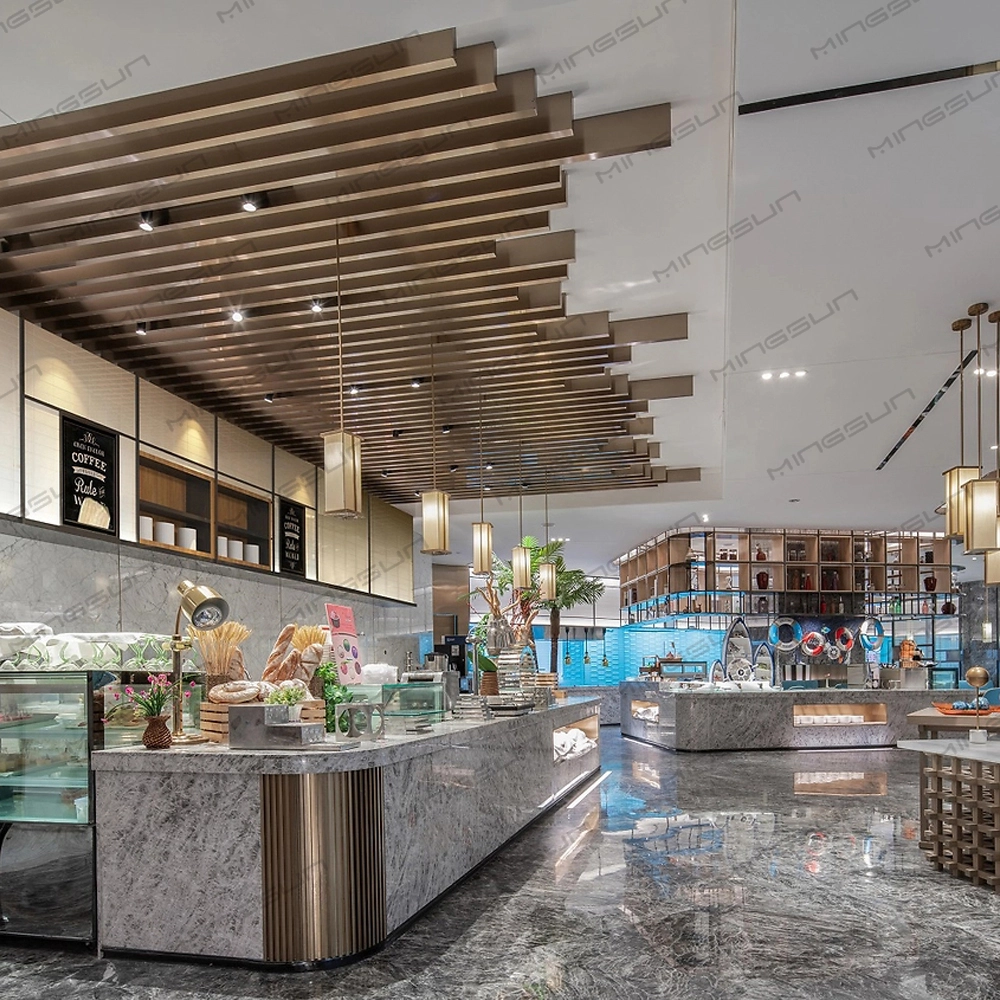
Modern Hotel Dining Furniture Set-Custom Designed Wooden Tables, Upholstered Chairs & Banquette Seating
Create a lasting impression with our custom-designed hotel dining furniture set, crafted for modern luxury hotels and upscale restaurants.
Featuring elegant wooden tables, ergonomic blue-upholstered chairs, and built-in banquette seating, this collection blends comfort, style, and durability.
As a leading manufacturer in Guangzhou, we deliver end-to-end solutions - from concept design and 3D visualization to production and global shipping - all at factory-direct prices.
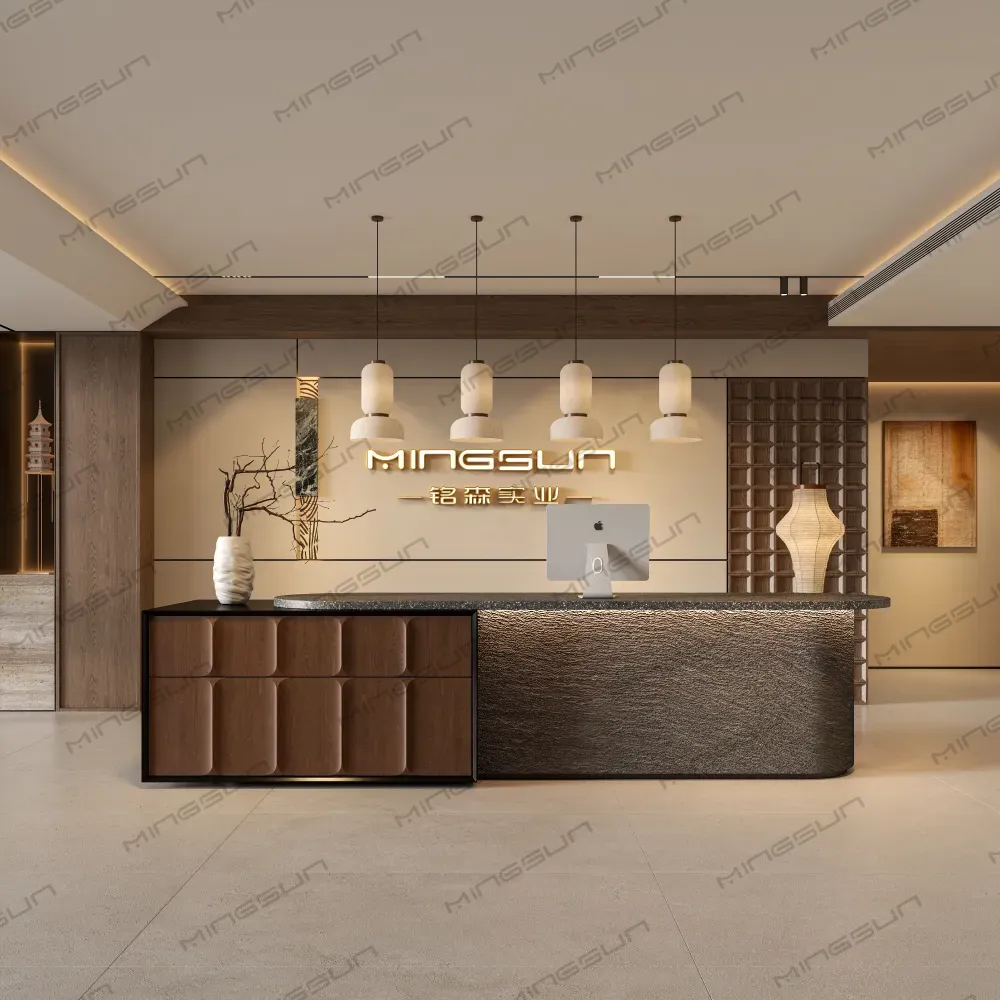
Luxury Textured Stone & Walnut Veneer Reception Desk with 3D Relief Detailing
Create a sophisticated, organic atmosphere in your hotel lobby or boutique showroom with this avant-garde reception desk. Combining the raw beauty of nature with refined craftsmanship, this desk features a striking contrast between materials. The main body showcases a dark, hammered-texture stone facade that offers a tactile, rugged elegance, topped with a polished grey terrazzo-style counter. This is seamlessly integrated with a rich walnut wood storage module, defined by its unique 3D pill-shaped relief carving on the drawer fronts. Soft, warm LED lighting concealed beneath the countertop edge highlights the textured stone surface, adding depth and warmth to the reception area.
Crafted by MINGSUN, a specialist in bespoke hospitality furniture, this piece is designed to be the focal point of high-end interiors. From our Guangzhou manufacturing hub, we deliver precision-engineered furniture to hotels worldwide. We offer a seamless experience from design customization to DDP global delivery and video-guided installation.
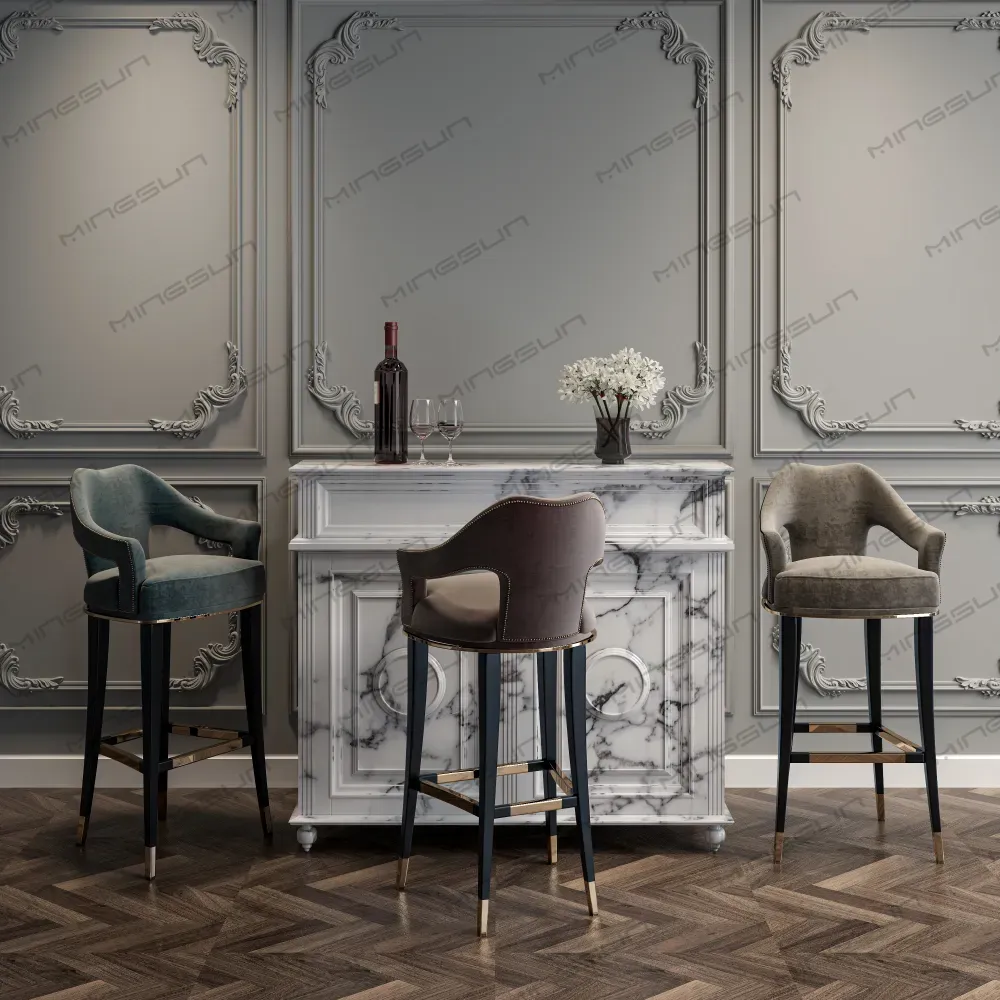
Luxury Velvet Bar Stool with Armrests & Brushed Brass Accents for Hotel Lounges and Bars
Elevate your hotel’s bar or lounge area with this opulent bar stool, where plush comfort meets sophisticated design. Upholstered in rich, deep-brown velvet, its sculptural back and integrated armrests offer ergonomic support, while the slender black metal frame is accented with polished brass at the feet and crossbars for a touch of timeless elegance. Perfect for high-end hospitality spaces, this stool combines refined aesthetics with durable construction, inviting guests to linger in style at your counter or cocktail station.
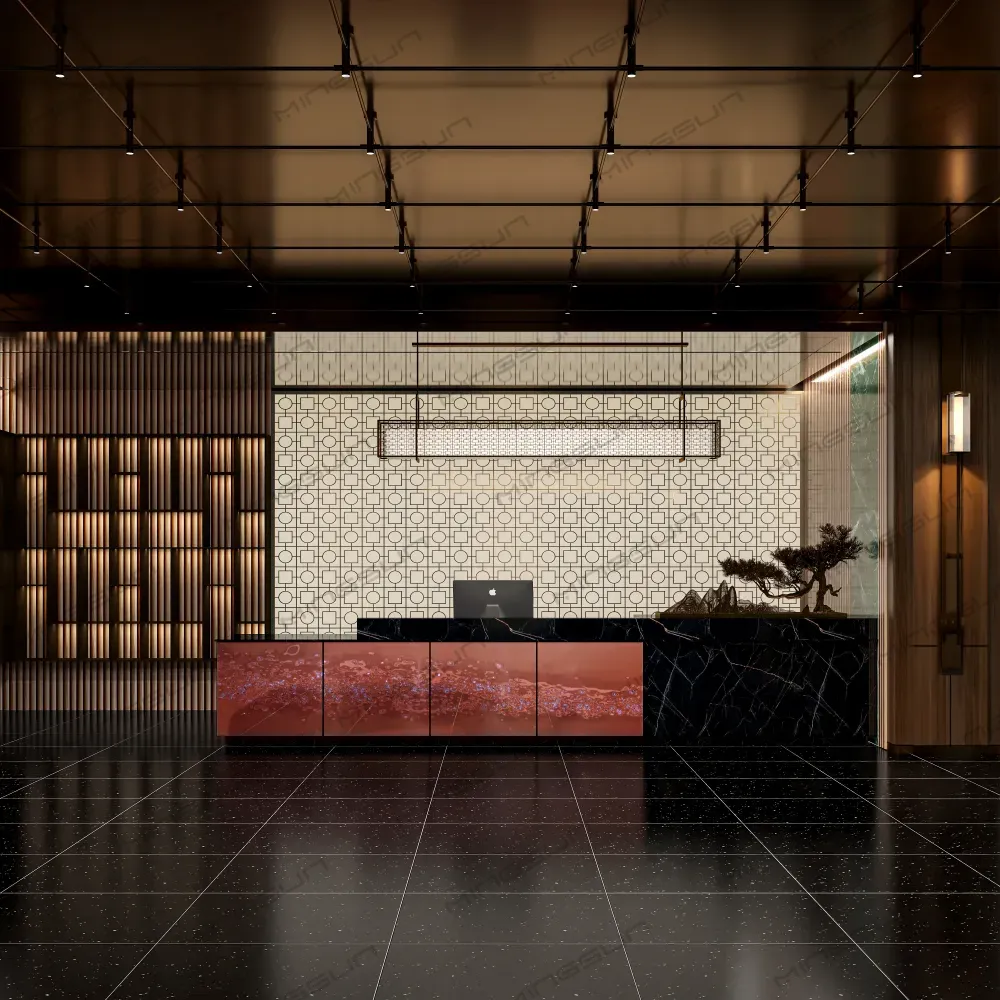
Luxury Reception Desk with Black Marble Top & Illuminated Copper-Resin Front Panels
Make a bold, unforgettable statement at your hotel’s entrance with this avant-garde reception desk. Its sleek black marble top exudes timeless sophistication, while the front facade features mesmerizing, internally lit copper-resin panels that glow with a warm, amber radiance, creating a dynamic visual centerpiece. Designed for both form and function, the unit offers ample concealed storage behind seamless doors and integrates a dedicated staff workstation with cable management. This is more than a check-in counter—it’s a sculptural installation that defines the luxury and artistry of your brand.
Get more industry insights
Looking for the right solution? Fill out the form and get a free quote.
Our experts will respond quickly with personalized options that fit your needs.
MINGSUN is a design-driven hotel furniture manufacturer offering OEM/ODM services, custom solutions, and global project support.
Built for wholesalers. Trusted by global buyers. Delivered with confidence.
Phone:
E-mail:
Follow us ——
 Scan QR Code
MINGSUN
MINGSUN
MINGSUN
MINGSUN
MS Custom Hotel Furniture Supplier