


Technology Integration: Smart Decor for Modern Guest Rooms
- Elevating Guest Experience: hotel room decor meets intelligent technology
- Why modern hotel room decor needs technology
- Core smart elements to include in hotel room decor
- Design principles: marrying form and function in hotel room decor
- Cost vs. benefit: a practical comparison for smart hotel room decor
- Implementation roadmap for hotel room decor upgrades
- Operational, privacy, and regulatory considerations
- Case examples and measurable outcomes
- Specifying furniture for technology: procurement checklist for hotel room decor
- MINGSUN: partner capabilities for tech-enabled hotel room decor
- Implementation checklist: from concept to guestrooms
- Conclusion
- FAQs
- References
Elevating Guest Experience: hotel room decor meets intelligent technology
As guest expectations evolve, hotel operators must rethink hotel room decor not only for aesthetics but for functionality delivered through integrated technology. Smart decor—where furniture, lighting, climate, and control systems work together—creates memorable stays, increases operational efficiency, and supports brand differentiation. This article offers a practical guide for hoteliers, designers, and procurement teams on planning, specifying, and delivering technology-integrated guest rooms that align with real-world constraints such as budgets, installation complexity, and lifecycle management.
Why modern hotel room decor needs technology
hotel room decor is no longer limited to fabrics, finishes, and layout. Today's guests expect convenience, personalization, and sustainability. Research from industry consultancies shows higher guest satisfaction and longer stays when hotels provide personalized and frictionless room control (Deloitte; McKinsey). Technology integration answers these expectations by enabling:
- Personalized comfort (lighting scenes, temperature presets linked to loyalty profiles).
- Contactless interactions (mobile check-in, digital keys, in-room voice control).
- Operational data (occupancy sensors that inform housekeeping and energy management).
- Adaptive aesthetics (LED lighting, dynamic art frames that change mood and branding).
Core smart elements to include in hotel room decor
When specifying hotel room decor with technology integration, focus on reliable systems that complement design intent. Below are core elements and how they interact with decor choices:
- Smart lighting: Tunable white and color-capable LED fixtures embedded in headboards, coves, and task lamps allow scene-setting without visible tech clutter.
- Climate control: Room-level smart thermostats with adaptive algorithms improve comfort and yield energy savings when tied to occupancy sensors.
- Access and security: Mobile keys and smart locks can be integrated into bedside furniture for convenient charging and checking without compromising safety.
- Voice and touch control: Voice assistants and wall-mounted control panels reduce remote clutter and provide intuitive control for diverse guest segments.
- Connected furniture: Desks, bedside tables, and lounges with embedded USB/USB-C charging, wireless charging pads, and cable management maintain clean aesthetics and functionality.
Design principles: marrying form and function in hotel room decor
To succeed, technology must be invisible where it should be and visible where it adds value. Apply these principles when updating hotel room decor:
- Integration over addition: Specify technology that is integrated into furniture and architecture rather than bolted on. For example, integrate lighting strips into headboards instead of adding standalone lamps.
- Modularity: Use modular furniture systems so future tech retrofits (new sensors, outlets) do not require demolition or total replacement.
- Consistency of UX: Keep user interaction consistent across rooms: same placement of controls and same terminology across apps and panels.
- Serviceability: Ensure furniture panels and junction points allow technicians access without disrupting finishes.
- Brand expression: Use programmable lighting, textiles, and digital art to reflect brand identity dynamically while maintaining cost control.
Cost vs. benefit: a practical comparison for smart hotel room decor
Investing in smart hotel room decor requires a clear business case. The following table summarizes costs, expected benefits, and considerations for common smart features. Costs are indicative ranges and will vary by geography, brand standard, and scale.
| Smart Feature | Approx. Incremental Cost (per room) | Primary Benefits | Considerations |
|---|---|---|---|
| Smart lighting (tunable LED + controls) | $200–$800 | Guest satisfaction, energy savings, branding scenes | Coordination with electrical & lighting designers |
| Smart thermostat + occupancy sensors | $150–$500 | Energy reduction, guest comfort | Integration with BMS preferable |
| Mobile key & smart lock | $100–$400 | Contactless arrival, streamlined operations | Cybersecurity and backend integration |
| Voice assistant (in-room) | $50–$300 | Hands-free control, information access | Privacy controls, opt-in policy |
| Connected furniture (charging, control hubs) | $100–$600 | Clear surfaces, guest convenience | Durability and serviceability |
Return on investment is achieved through energy reduction, upselling opportunities (High Quality room types with tech packages), higher occupancy from better guest reviews, and lower labor costs via efficient housekeeping scheduling. Industry whitepapers estimate energy savings of 10–25% with integrated room controls, though actual results depend on guest behavior and system tuning (see sources).
Implementation roadmap for hotel room decor upgrades
Successful rollouts minimize guest disruption and future-proof investments. A pragmatic roadmap:
- Audit: Inventory existing rooms, MEP constraints, and Wi-Fi coverage. Identify opportunities for integrating tech into current furniture or planned replacements.
- Define guest journeys: Map key interactions (arrival, sleep, work, entertainment) and align tech to those moments rather than adding features for technology's sake.
- Choose open platforms: Prioritize systems that use open APIs and industry standards to avoid vendor lock-in and allow incremental upgrades.
- Pilot: Implement a 10–20 room pilot with a measurable scorecard (NPS, energy use, maintenance tickets) before full rollout.
- Train staff: Invest in operations and maintenance training; publish clear SOPs for resetting devices, handling guest privacy requests, and troubleshooting.
- Monitor and iterate: Use analytics to tune occupancy thresholds, lighting scenes, and the guest app experience. Continuous improvement ensures sustained ROI.
Operational, privacy, and regulatory considerations
Technology in hotel room decor introduces new responsibilities:
- Data privacy: Ensure compliance with data protection laws (GDPR, CCPA) for any personal data collected by room systems. Provide clear opt-in/out options for voice and behavioral data.
- Cybersecurity: Segment IoT devices on separate VLANs, enforce firmware update policies, and adopt strong identity/access controls for vendor portals.
- Maintenance: Document warranties, spare parts, and service intervals. Choose durable finishes on furniture and protected access points for electronics.
Case examples and measurable outcomes
Hotels that have invested in integrated hotel room decor typically report measurable improvements: reduced energy use, faster check-in experiences, and improved online reviews. For example, pilots combining occupancy sensors and HVAC control often see payback within 2–4 years depending on occupancy patterns and local energy costs (industry analyses). Large chains report that mobile key adoption accelerates arrival workflows and reduces front-desk congestion—key metrics in guest satisfaction surveys (see references).
Specifying furniture for technology: procurement checklist for hotel room decor
When procuring furniture that will host technology, use the following checklist to ensure compatibility and longevity:
- Accessible wiring channels and service panels
- Fire-rated materials and compliance with local codes
- Provision for heat dissipation for embedded electronics
- Standardized cutouts for USB, power outlets, and control panels
- Tested load capacities for items with integrated motors or screens
- Clear labeling for maintenance and spare parts list
MINGSUN: partner capabilities for tech-enabled hotel room decor
MINGSUN is a High Quality hotel furniture manufacturer based in Guangzhou, China, providing one-stop custom solutions for the hospitality industry. We specialize in the design, production, and global delivery of high-quality furniture for hotel guest rooms, lobbies, restaurants, banquet halls, and other commercial spaces.
With a 10,000 ㎡ factory and over 200 skilled workers, MINGSUN combines expert craftsmanship, High Quality materials, and strict quality control to ensure each piece is durable, functional, and refined. Our in-house design team collaborates closely with clients to develop tailored solutions that reflect each project's unique style and standards. For technology-integrated hotel room decor, MINGSUN offers:
- Custom headboards and bedside units with integrated lighting channels and concealed wiring.
- Desks and lounge furniture with embedded USB-C, wireless charging pads, and cable management systems.
- Modular solutions allowing future retrofits for sensors, control panels, and entertainment systems.
- Durable finishes and materials tested for commercial wear and service access points designed for technicians.
Core product categories: hotel bedroom furniture, hotel lounge furniture, hotel lobby furniture, hotel conference furniture, hotel restaurant tables and chairs. MINGSUN's competitive advantages include:
- One-stop customization: Integrated design-to-delivery service reduces coordination risk and accelerates timelines.
- Manufacturing scale and quality control: On-site production in a 10,000 ㎡ factory with experienced craftsmen ensures consistency and lead-time reliability.
- Technical collaboration: Early-stage involvement with clients to embed wiring, access panels, and tech hubs into furniture designs.
- Global logistics: Experience exporting hotel projects worldwide with packaging solutions for protected transit.
For hotels seeking to upgrade their guest rooms with subtle, durable, and serviceable smart decor, MINGSUN provides tailored furniture that supports technology while maintaining brand aesthetics and long-term value.
Implementation checklist: from concept to guestrooms
Before signing contracts, ensure the following are clear in your specifications and with your supplier:
- Detailed electrical and data schematics aligned with furniture shop drawings.
- Warranty terms for both furniture and embedded electronics (who services what).
- Maintenance access points and spare parts catalog for embedded components.
- Clear responsibilities between hotel, furniture manufacturer, and tech vendors for on-site commissioning.
Conclusion
Smart hotel room decor is a strategic investment. When thoughtfully specified and executed, it improves guest satisfaction, reduces operational costs, and strengthens brand positioning. Prioritize integration, serviceability, and open platforms. Partner with manufacturers—like MINGSUN—that understand both design and the practicalities of embedding technology into commercial-grade furniture. A measured pilot, clear SOPs, and continuous data-driven tuning will ensure the investment pays off in guest loyalty and operational efficiency.
FAQs
- What is smart hotel room decor?
Smart hotel room decor refers to furniture and design elements that incorporate technology—such as embedded lighting, charging, sensors, and control interfaces—to improve guest comfort, convenience, and operational efficiency.
- How much does it cost to upgrade a room with smart decor?
Incremental costs vary by feature but generally range from a few hundred to over a thousand USD per room depending on scale (lighting, HVAC integration, locks, connected furniture). A phased pilot helps refine true costs for your property.
- Can I retrofit existing furniture for smart features?
Yes—many features like wireless charging, LED lighting strips, and control panels can be retrofitted if furniture allows access to wiring channels and has sufficient structural support. Full integration is easier and cleaner when specified during new construction or furniture replacement.
- What privacy issues should hotels consider?
Hotels must inform guests about any data collection, obtain necessary consents for voice or behavioral data, and comply with data protection regulations such as GDPR and CCPA. Segment guest data and implement retention policies.
- How do I choose the right furniture partner for tech-enabled rooms?
Look for manufacturers with experience in hospitality, capabilities in custom shop drawings, knowledge of MEP integration, and a documented quality control process. Prefer partners that provide service access design and coordinate with tech vendors—like MINGSUN.
- Will technology integration increase maintenance demands?
Initial setup and staff training increase maintenance needs, but well-specified systems and clear SOPs typically reduce reactive maintenance over time. Ensure warranties and spare-part strategies are defined in procurement contracts.
Want to see sample packages or discuss a pilot for your property? Contact MINGSUN to review tailored hotel room decor solutions, specifications, and pricing. Visit our product catalog or request a consultation to explore hotel bedroom furniture, lounge and lobby solutions, conference and restaurant furnishings—all designed to accommodate smart technology and long-term serviceability.
References
- Deloitte: ‘‘Hospitality: Digital transformation in hotels’’ — https://www2.deloitte.com (accessed 2025-12-26).
- McKinsey & Company: ‘‘Hospitality in the age of digital disruption’’ — https://www.mckinsey.com (accessed 2025-12-26).
- Cisco: ‘‘Internet of Things (IoT) for hospitality’’ — https://www.cisco.com/c/en/us/solutions/internet-of-things/ (accessed 2025-12-26).
- UNWTO (United Nations World Tourism Organization): Global tourism trends — https://www.unwto.org/ (accessed 2025-12-26).
- Hospitality Net: Industry articles on smart rooms and guest experience — https://www.hospitalitynet.org/ (accessed 2025-12-26).
Modular vs Fully Custom Front Desks: Pros and Cons
Theme-Based Bar Furniture Ideas for Boutique Hotels
The latest trends for hotel furniture concept | MINGSUN Ultimate Insights
Modern Furniture Trends That Attract Hotel Guests
Pricing, Payment & Packaging
How is packaging handled to ensure transportation safety?
How is pricing calculated? Does customization increase the cost?
Materials, Craftsmanship & Quality Control
How are quality issues handled?
Customization Capability & Design Support
Does Mingsun support customized hotel furniture?
After-Sales Service & Long-Term Cooperation
Is long-term cooperation or repeat ordering supported?
Make an appointment with us today
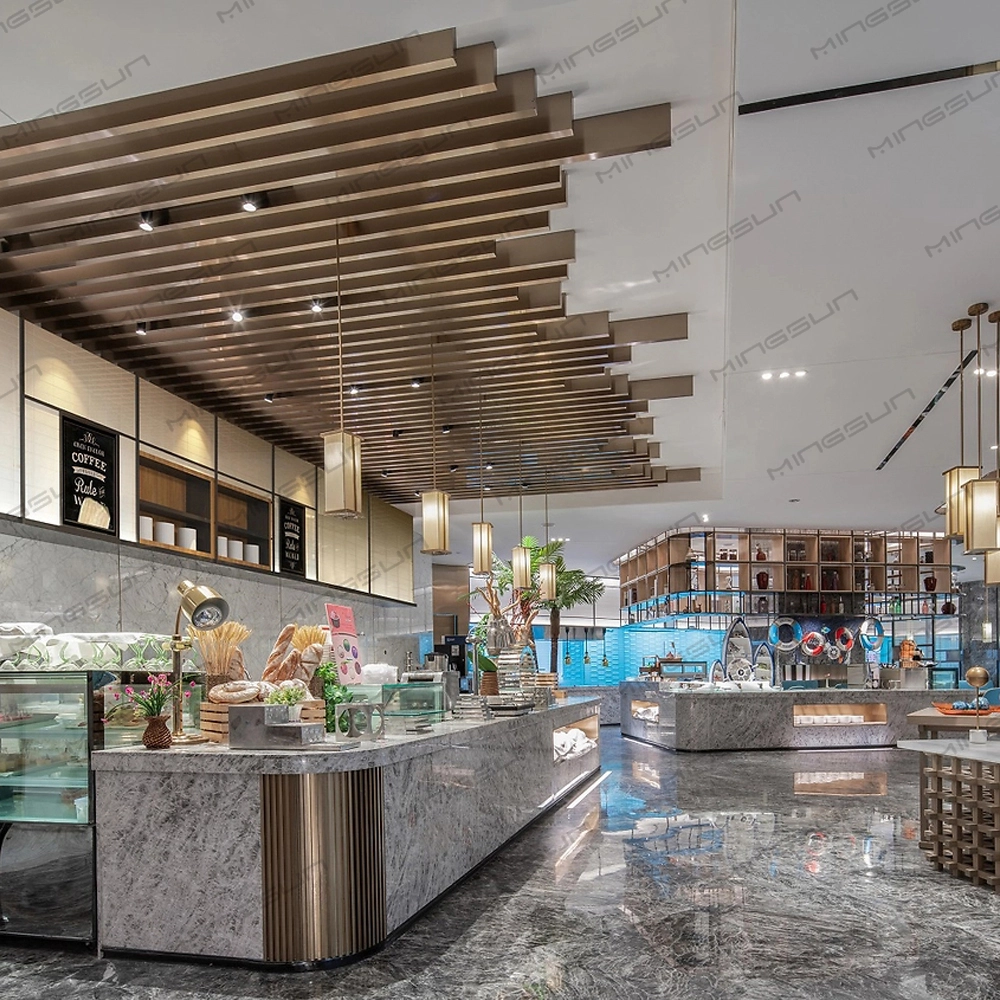
Modern Hotel Dining Furniture Set-Custom Designed Wooden Tables, Upholstered Chairs & Banquette Seating
Create a lasting impression with our custom-designed hotel dining furniture set, crafted for modern luxury hotels and upscale restaurants.
Featuring elegant wooden tables, ergonomic blue-upholstered chairs, and built-in banquette seating, this collection blends comfort, style, and durability.
As a leading manufacturer in Guangzhou, we deliver end-to-end solutions - from concept design and 3D visualization to production and global shipping - all at factory-direct prices.
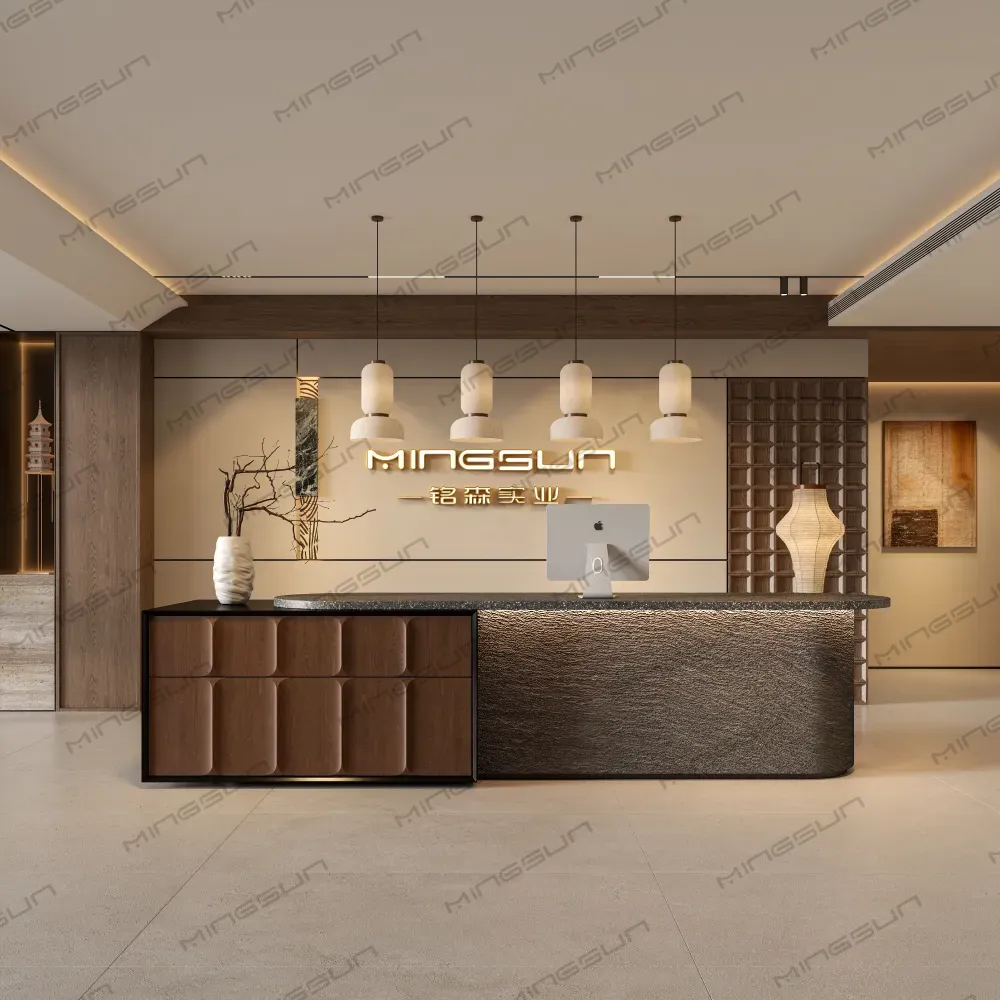
Luxury Textured Stone & Walnut Veneer Reception Desk with 3D Relief Detailing
Create a sophisticated, organic atmosphere in your hotel lobby or boutique showroom with this avant-garde reception desk. Combining the raw beauty of nature with refined craftsmanship, this desk features a striking contrast between materials. The main body showcases a dark, hammered-texture stone facade that offers a tactile, rugged elegance, topped with a polished grey terrazzo-style counter. This is seamlessly integrated with a rich walnut wood storage module, defined by its unique 3D pill-shaped relief carving on the drawer fronts. Soft, warm LED lighting concealed beneath the countertop edge highlights the textured stone surface, adding depth and warmth to the reception area.
Crafted by MINGSUN, a specialist in bespoke hospitality furniture, this piece is designed to be the focal point of high-end interiors. From our Guangzhou manufacturing hub, we deliver precision-engineered furniture to hotels worldwide. We offer a seamless experience from design customization to DDP global delivery and video-guided installation.
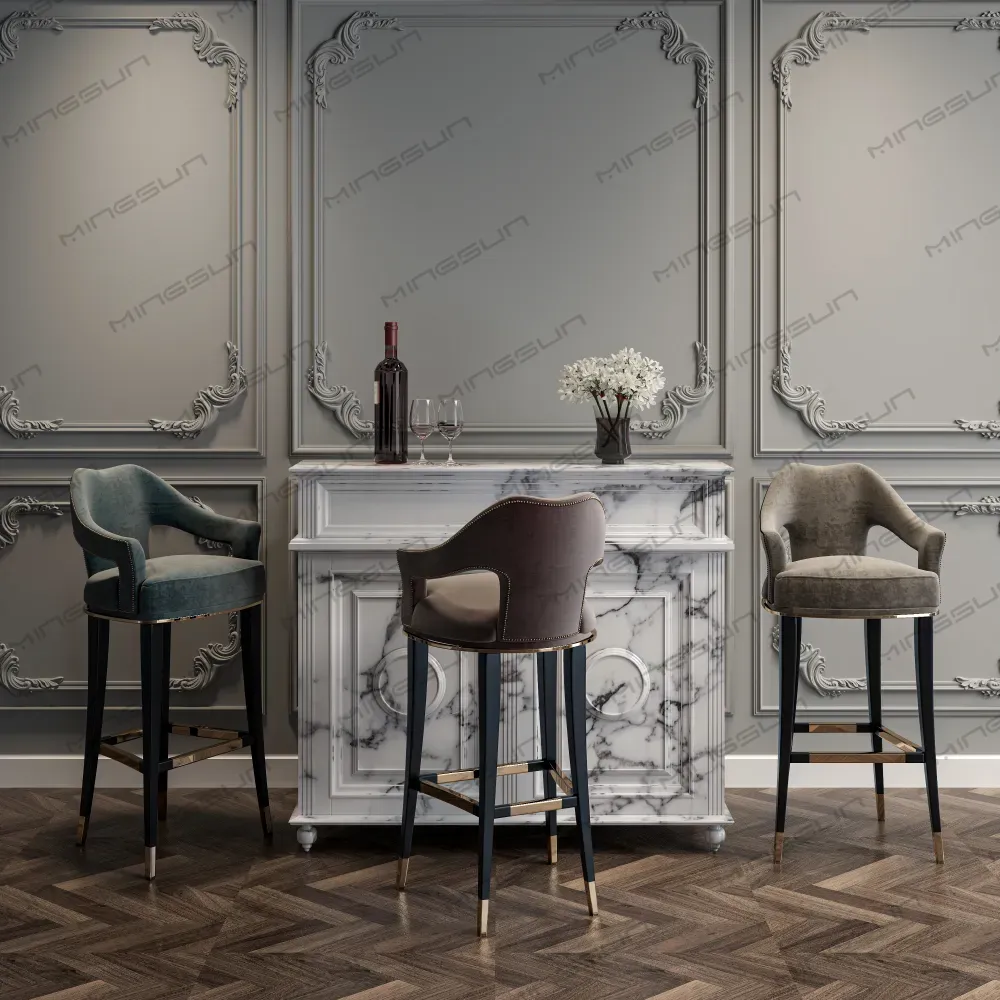
Luxury Velvet Bar Stool with Armrests & Brushed Brass Accents for Hotel Lounges and Bars
Elevate your hotel’s bar or lounge area with this opulent bar stool, where plush comfort meets sophisticated design. Upholstered in rich, deep-brown velvet, its sculptural back and integrated armrests offer ergonomic support, while the slender black metal frame is accented with polished brass at the feet and crossbars for a touch of timeless elegance. Perfect for high-end hospitality spaces, this stool combines refined aesthetics with durable construction, inviting guests to linger in style at your counter or cocktail station.
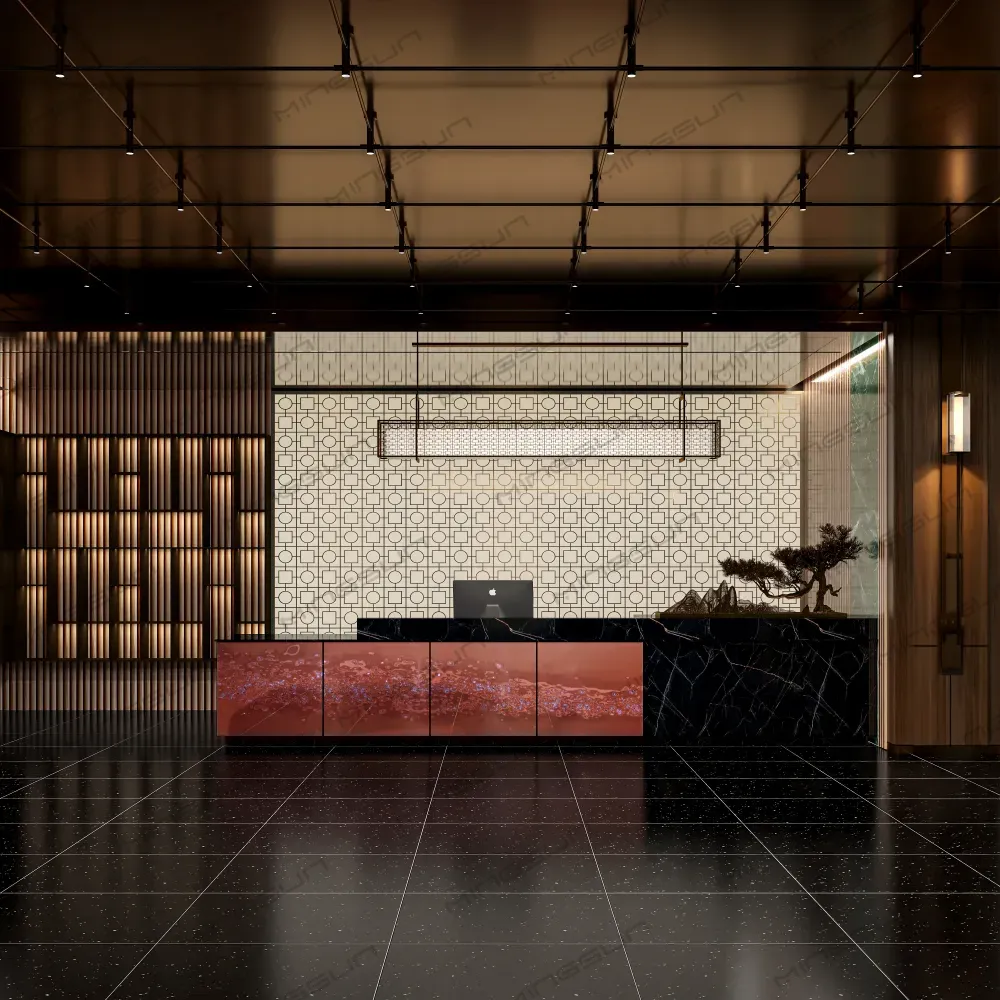
Luxury Reception Desk with Black Marble Top & Illuminated Copper-Resin Front Panels
Make a bold, unforgettable statement at your hotel’s entrance with this avant-garde reception desk. Its sleek black marble top exudes timeless sophistication, while the front facade features mesmerizing, internally lit copper-resin panels that glow with a warm, amber radiance, creating a dynamic visual centerpiece. Designed for both form and function, the unit offers ample concealed storage behind seamless doors and integrates a dedicated staff workstation with cable management. This is more than a check-in counter—it’s a sculptural installation that defines the luxury and artistry of your brand.
Get more industry insights
Looking for the right solution? Fill out the form and get a free quote.
Our experts will respond quickly with personalized options that fit your needs.
MINGSUN is a design-driven hotel furniture manufacturer offering OEM/ODM services, custom solutions, and global project support.
Built for wholesalers. Trusted by global buyers. Delivered with confidence.
Phone:
E-mail:
Follow us ——
 Scan QR Code
MINGSUN
MINGSUN
MINGSUN
MINGSUN
MS Custom Hotel Furniture Supplier