


Hospitality furniture trends for hotels in 2026
- Designing Hospitality Furniture for 2026: What Hoteliers Should Prioritize
- Market forces shaping hospitality furniture demand
- Why sustainability is central to hospitality furniture decisions
- Materials, finishes and durability for high-traffic hotel environments
- Modular and flexible hospitality furniture: design for multiple use cases
- Technology integration: smart hospitality furniture trends for 2026
- Hygiene, cleaning protocols and the operational perspective on hospitality furniture
- Design language and guest experience: balancing local character with scalability
- Comparing procurement models for hospitality furniture
- Cost considerations — life-cycle cost (TCO) framework for hospitality furniture
- MINGSUN: High Quality hotel furniture manufacturing and one-stop solutions
- How to choose a manufacturer partner for 2026 hospitality furniture projects
- Actionable checklist: specifying hospitality furniture for 2026
- FAQ — Frequently asked questions about hospitality furniture trends for hotels in 2026
- 1. What are the most important hospitality furniture trends to plan for in 2026?
- 2. How much should I budget for replacing hotel furniture in a midscale hotel?
- 3. Are antimicrobial finishes worth the extra cost for hospitality furniture?
- 4. How can hotels balance local design character with the need for cost-efficient rollouts?
- 5. What lead times should hoteliers expect for custom hospitality furniture in 2026?
- 6. How do I evaluate total cost of ownership (TCO) for furniture choices?
- Contact and next steps
- References
Designing Hospitality Furniture for 2026: What Hoteliers Should Prioritize
Market forces shaping hospitality furniture demand
Understanding demand drivers is the first step when specifying hospitality furniture. By 2026, recovery and growth in travel, rising guest expectations for sustainability and hygiene, and tighter operational budgets will combine to influence buying decisions for hotels of all classes. According to industry trackers, global hotel revenues and occupancy trends have been steadily recovering since the pandemic years, driving replacement cycles and new-build projects that require contemporary hospitality furniture solutions (see References).
Why sustainability is central to hospitality furniture decisions
Buyers increasingly require evidence of environmental performance — not only as marketing claims but as procurement criteria tied to corporate ESG targets. Sustainable hospitality furniture spans three measurable areas: materials and certifications (e.g., FSC, recycled content), manufacturing energy and waste, and end-of-life strategies (recyclability, modular repairability).
Actionable guidance:
- Specify certified wood (FSC) or engineered alternatives with documented chain-of-custody.
- Request Environmental Product Declarations (EPDs) and supplier energy/waste metrics.
- Prioritize modular designs that allow component replacement to extend service life.
Materials, finishes and durability for high-traffic hotel environments
Durability remains paramount in hospitality furniture because life-cycle costs dominate procurement decisions. Common high-performance material choices include commercial-grade solid surface tops, HPL, moisture-resistant engineered boards for guestrooms, and metal frames with powder coating for public-area seating. For soft furnishings, abrasion-rated fabrics (Martindale or Wyzenbeek), stain-repellent finishes, and antimicrobial treatments certified under recognized standards improve longevity and reduce maintenance costs.
Modular and flexible hospitality furniture: design for multiple use cases
Hotels are repurposing spaces more frequently (lounge to co-working to event space). Modular hospitality furniture enables rapid reconfiguration, reduces inventory of different pieces, and lowers storage needs. Benefits include:
- Faster turnover between room types or event setups.
- Lower replacement costs — swap damaged modules rather than whole units.
- Reduced freight and warehousing when components are standardized.
Technology integration: smart hospitality furniture trends for 2026
Guests expect convenient device charging, integrated lighting, and smart controls. Furniture designers are embedding USB-C, wireless charging pads, IoT sensors (for occupancy and asset tracking), and wireless connectivity into desks, nightstands, and lounge tables. Key considerations:
- Prioritize standardized connectors and replaceable electronics modules.
- Ensure compliance with local electrical codes; design for easy maintenance access.
- Balance technology with repairability — avoid permanently sealed electronics that require full-unit replacement.
Hygiene, cleaning protocols and the operational perspective on hospitality furniture
Hotels continue to optimize cleaning efficiency without compromising aesthetics. Choosing finishes that tolerate frequent cleaning with hospital-grade disinfectants, and furniture geometries that minimize hidden crevices, will reduce labor time and chemical costs.
Operational specs to include:
- Surface materials compatible with common disinfectants (check manufacturer chemical compatibility sheets).
- Seamless designs and removable upholstery for laundering.
- Hard-surface options for high-touch areas (lobby benches, bar stools) with anti-microbial coatings where appropriate.
Design language and guest experience: balancing local character with scalability
Guests value authenticity and local context, but owners demand replicable design systems across portfolios. The winning approach is a core product palette that’s modularly customizable through surface finishes, local textiles, or limited-edition accent pieces.
Examples:
- Standardized bed frames and seating modules with interchangeable headboards and upholstery.
- Modular lobby seating modules that can be rearranged for events and social functions.
Comparing procurement models for hospitality furniture
Procurement strategy is a key determinant of cost, lead time, and final quality. Below is a concise comparison between the common procurement options:
| Procurement Model | Typical Advantages | Typical Drawbacks | Best Use Case |
|---|---|---|---|
| Off-the-shelf (global brands) | Short lead times, predictable quality, tested designs | Limited customization, higher per-unit cost | Boutique projects or quick-replace items |
| Custom manufacturer (ODM/OEM) | High customization, brand differentiation, potential lower unit cost at scale | Longer lead times, requires tighter QC and project management | Branded hotels, large rollouts, signature pieces |
| Local workshop / small makers | Fast iterations, local sourcing, support for local identity | Higher unit cost, limited capacity for large rollouts | Unique installations or heritage restorations |
Cost considerations — life-cycle cost (TCO) framework for hospitality furniture
Evaluate bids not just on purchase price but on estimated lifetime maintenance, expected service life, and disposal costs. The table below outlines a simple TCO model comparison for two sample options.
| Item | Initial Cost (USD) | Estimated Service Life (years) | Annual Maintenance (USD/year) | 5-year TCO (USD) |
|---|---|---|---|---|
| High Quality custom headboard (custom OEM) | 900 | 10 | 30 | 900 + (30*5) = 1,050 |
| Standard mass-produced headboard | 400 | 5 | 60 | 400 + (60*5) = 700 |
Interpretation: the mass-produced headboard has lower 5-year TCO in this simplified example, but the custom headboard provides double the service life and potentially higher guest satisfaction — critical when considering brand positioning.
MINGSUN: High Quality hotel furniture manufacturing and one-stop solutions
MINGSUN is a High Quality hotel furniture manufacturer based in Guangzhou, China, providing one-stop custom solutions for the hospitality industry. We specialize in the design, production, and global delivery of high-quality furniture for hotel guest rooms, lobbies, restaurants, banquet halls, and other commercial spaces.
With a 10,000 ㎡ factory and over 200 skilled workers, MINGSUN combines expert craftsmanship, High Quality materials, and strict quality control to ensure each piece is durable, functional, and refined. The in-house design team collaborates closely with clients to develop tailored solutions that reflect each project’s unique style and standards.
MINGSUN’s competitive strengths:
- End-to-end project management — from concept and prototyping to production and global logistics.
- Scalable manufacturing capacity suitable for single-site refurbishments and multi-property rollouts.
- Technical expertise in metalwork, upholstery, joinery and integrated electronics, plus strict quality control processes to meet hospitality standards.
- Core product categories: hotel bedroom furniture, hotel lounge furniture, hotel lobby furniture, hotel conference furniture, hotel restaurant tables and chairs.
How MINGSUN aligns with 2026 trends:
- Sustainability: offers material sourcing options and manufacturing controls to support ESG reporting.
- Modularity: develops modular systems and replaceable components for extended asset life.
- Customization at scale: capacity to produce bespoke designs while maintaining competitive lead times.
How to choose a manufacturer partner for 2026 hospitality furniture projects
When evaluating partners like MINGSUN or others, prioritize the following criteria:
- Proven hospitality references and project case studies.
- Documented quality systems (ISO or equivalent), on-site QC processes, and sample-testing protocols.
- Capacity to supply EPDs, material certificates, and maintenance instructions.
- Clear logistics and warranty terms, with defined lead times and penalty clauses for large rollouts.
Actionable checklist: specifying hospitality furniture for 2026
Use this checklist to drive specifications that meet guest expectations and operational constraints:
- Define target service life and expected wear categories by zone (guestroom, lobby, F&B, back-of-house).
- Require abrasion, stain, and fire-performance test results for fabrics and finishes.
- Include modularity and repairability requirements (replaceable legs, seat cushions, electronics modules).
- Request documented sustainability credentials (FSC, EPDs, recycled content percentages).
- Specify logistics and packaging requirements to reduce damage in transit and enable lean storage on-site.
- Define warranty scope and post-installation spare parts plans.
FAQ — Frequently asked questions about hospitality furniture trends for hotels in 2026
1. What are the most important hospitality furniture trends to plan for in 2026?
Focus on sustainability (materials and EPDs), modularity for flexible spaces, durable and easy-to-clean finishes, integrated guest-facing technology (USB-C, wireless charging), and procurement strategies that balance TCO and brand differentiation.
2. How much should I budget for replacing hotel furniture in a midscale hotel?
Budgeting depends on scope and standards, but a typical midscale guestroom FF&E budget (furniture, fixtures & equipment) ranges widely. For an accurate estimate, prepare a room-by-room FF&E list and obtain local and overseas quotations — include logistics, installation and a contingency of 10–15% for overruns.
3. Are antimicrobial finishes worth the extra cost for hospitality furniture?
Antimicrobial finishes can reduce certain microbial loads but are not a substitute for cleaning protocols. They are most useful for high-touch public areas and can be justified where they reduce deep-clean frequency or support brand hygiene positioning. Always request independent test data and safety certifications.
4. How can hotels balance local design character with the need for cost-efficient rollouts?
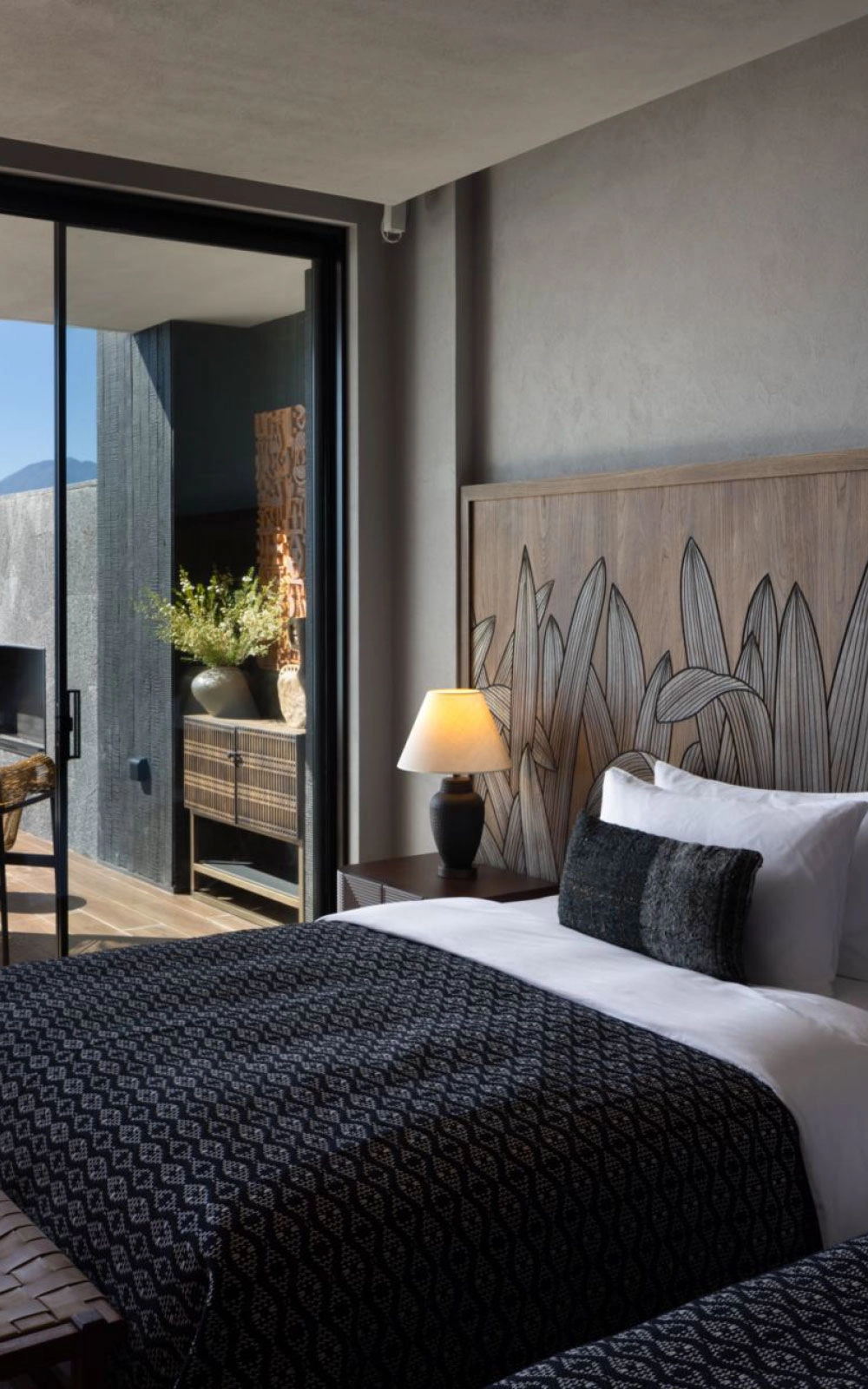
Adopt a platform approach: standardize the core furniture modules (frames, bases) while customizing visible finishes — headboards, upholstery, or veneer insets — to reflect local identity. This balances economies of scale with differentiated guest experiences.
5. What lead times should hoteliers expect for custom hospitality furniture in 2026?
Typical lead times for custom orders vary by complexity and capacity: 12–20 weeks for moderate customization, and up to 24–36 weeks for complex, large-volume orders. Plan earlier for key pieces, and stagger deliveries to align with installation schedules.
6. How do I evaluate total cost of ownership (TCO) for furniture choices?
Calculate the TCO by combining initial purchase price, expected service life, annual maintenance/repair costs, and disposal or refurbishment costs. Compare over a standard horizon (5 or 10 years) and consider guest satisfaction/value where brand positioning benefits justify higher initial outlays.
Contact and next steps
Ready to specify hospitality furniture that meets 2026 expectations? For consultation, product specifications, or a quote, contact a trusted manufacturer. To explore turnkey hospitality furniture solutions from a proven partner, consider contacting MINGSUN to discuss customized options for hotel bedroom furniture, lounge and lobby systems, conference setups, and restaurant seating.
References
- UNWTO — Tourism Barometer and recovery trends. https://www.unwto.org/tourism-barometer (accessed June 2024)
- Deloitte — Global Hospitality Industry Outlook. https://www2.deloitte.com/global/en/pages/consumer-industrial-products/articles/global-hospitality-industry-outlook. (accessed June 2024)
- Business and Institutional Furniture Manufacturers Association (BIFMA) — Standards and best practices. https://www.bifma.org/ (accessed June 2024)
- CDC — Environmental Cleaning and Disinfection guidelines. https://www.cdc.gov/infectioncontrol/guidelines/environmental/index. (accessed June 2024)
- National Fire Protection Association (NFPA) — Codes relevant to hospitality furniture and public spaces. https://www.nfpa.org/ (accessed June 2024)
- Statista — Hotel industry overview and statistics. https://www.statista.com/topics/1106/hotels/ (accessed June 2024)
- Furniture Today — Industry news on manufacturing, materials and procurement. https://www.furnituretoday.com/ (accessed June 2024)
- Sustainable Furnishings Council — Guidance on sustainable furniture sourcing. https://sustainablefurnishings.org/ (accessed June 2024)
- ISO — Furniture standards and committees. https://www.iso.org/committee/50532. (accessed June 2024)
For detailed specifications, case studies, or a customized FF&E proposal for your property, reach out to MINGSUN or your preferred furniture consultant to begin the procurement process.
Lighting and Furniture: Creating an Inviting Lobby Ambience
Modular vs Fully Custom Front Desks: Pros and Cons
Safety, Fire Codes and Security for Hotel TV Cabinets
Case Study: Boost Hotel Retail Sales with Custom Displays
Customization Capability & Design Support
What is your customization process?
Pricing, Payment & Packaging
How is pricing calculated? Does customization increase the cost?
How is packaging handled to ensure transportation safety?
After-Sales Service & Long-Term Cooperation
What types of clients is Mingsun best suited for?
Product Scope & Application Areas
Do you provide samples?
Make an appointment with us today
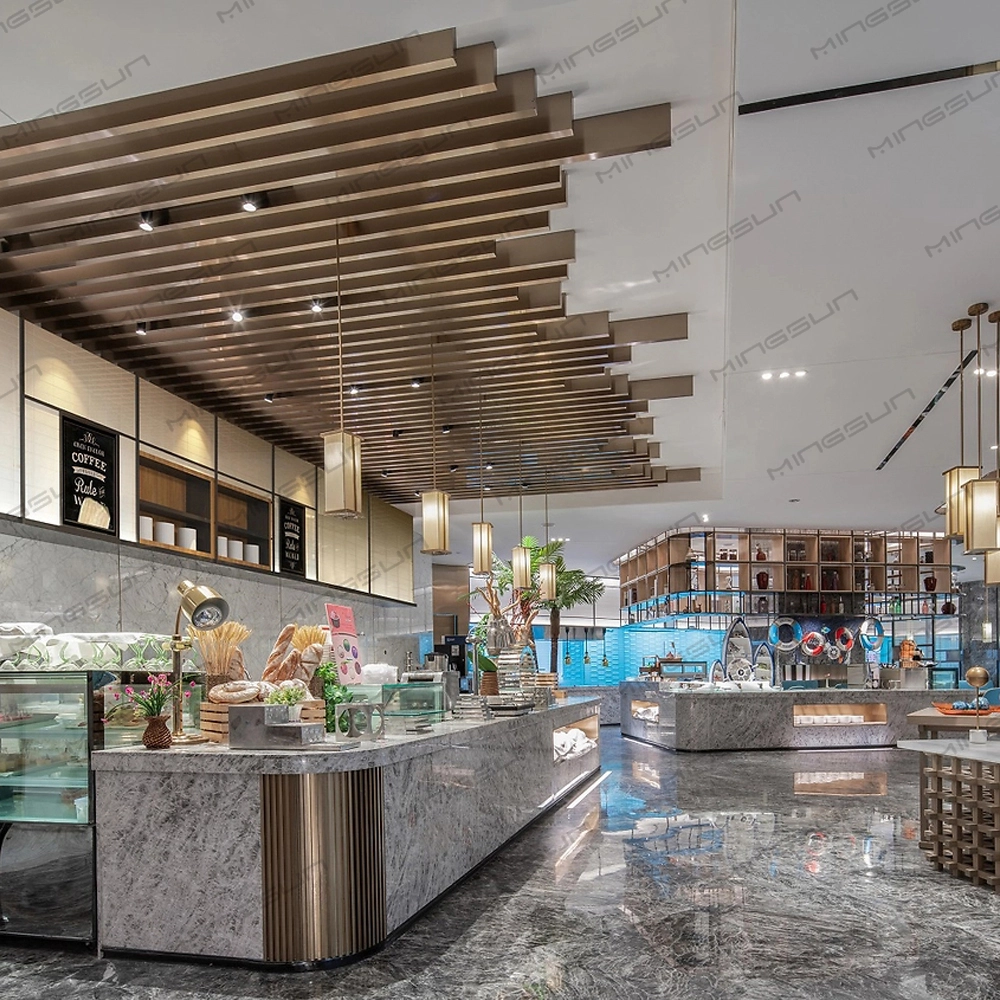
Modern Hotel Dining Furniture Set-Custom Designed Wooden Tables, Upholstered Chairs & Banquette Seating
Create a lasting impression with our custom-designed hotel dining furniture set, crafted for modern luxury hotels and upscale restaurants.
Featuring elegant wooden tables, ergonomic blue-upholstered chairs, and built-in banquette seating, this collection blends comfort, style, and durability.
As a leading manufacturer in Guangzhou, we deliver end-to-end solutions - from concept design and 3D visualization to production and global shipping - all at factory-direct prices.
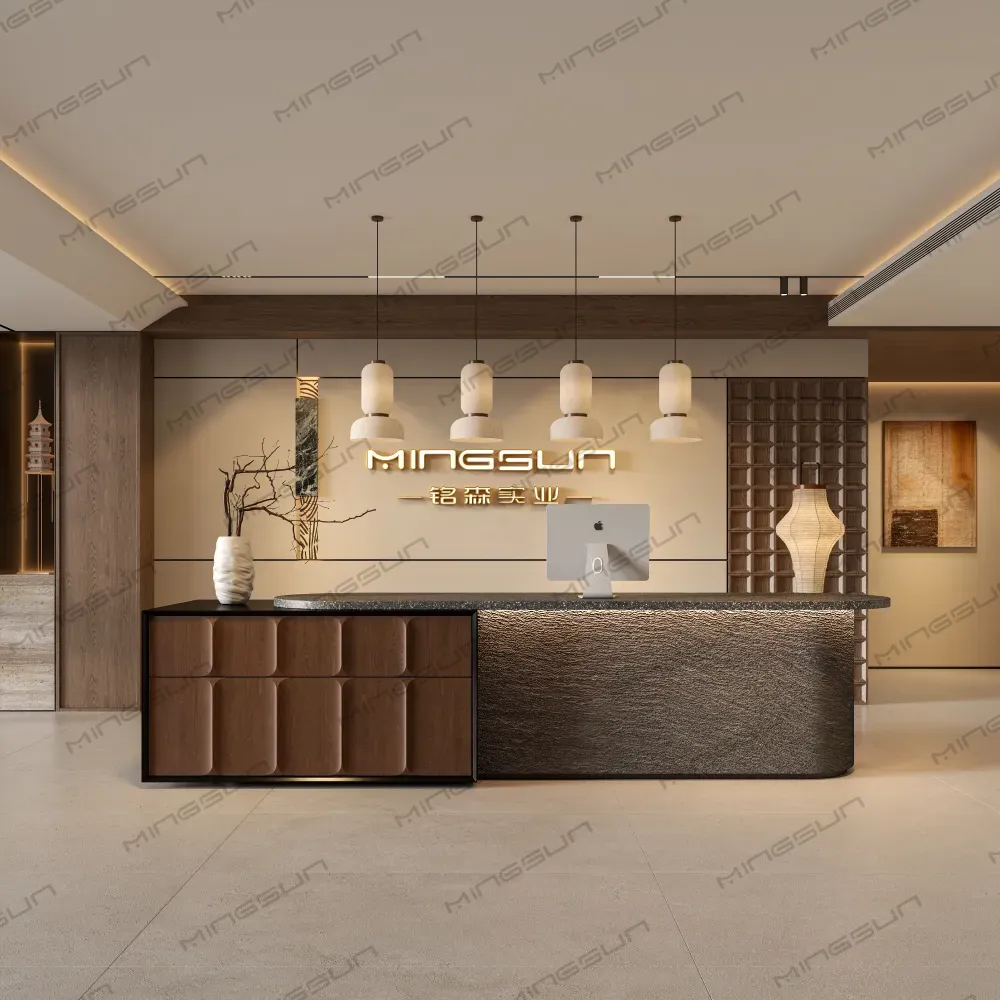
Luxury Textured Stone & Walnut Veneer Reception Desk with 3D Relief Detailing
Create a sophisticated, organic atmosphere in your hotel lobby or boutique showroom with this avant-garde reception desk. Combining the raw beauty of nature with refined craftsmanship, this desk features a striking contrast between materials. The main body showcases a dark, hammered-texture stone facade that offers a tactile, rugged elegance, topped with a polished grey terrazzo-style counter. This is seamlessly integrated with a rich walnut wood storage module, defined by its unique 3D pill-shaped relief carving on the drawer fronts. Soft, warm LED lighting concealed beneath the countertop edge highlights the textured stone surface, adding depth and warmth to the reception area.
Crafted by MINGSUN, a specialist in bespoke hospitality furniture, this piece is designed to be the focal point of high-end interiors. From our Guangzhou manufacturing hub, we deliver precision-engineered furniture to hotels worldwide. We offer a seamless experience from design customization to DDP global delivery and video-guided installation.
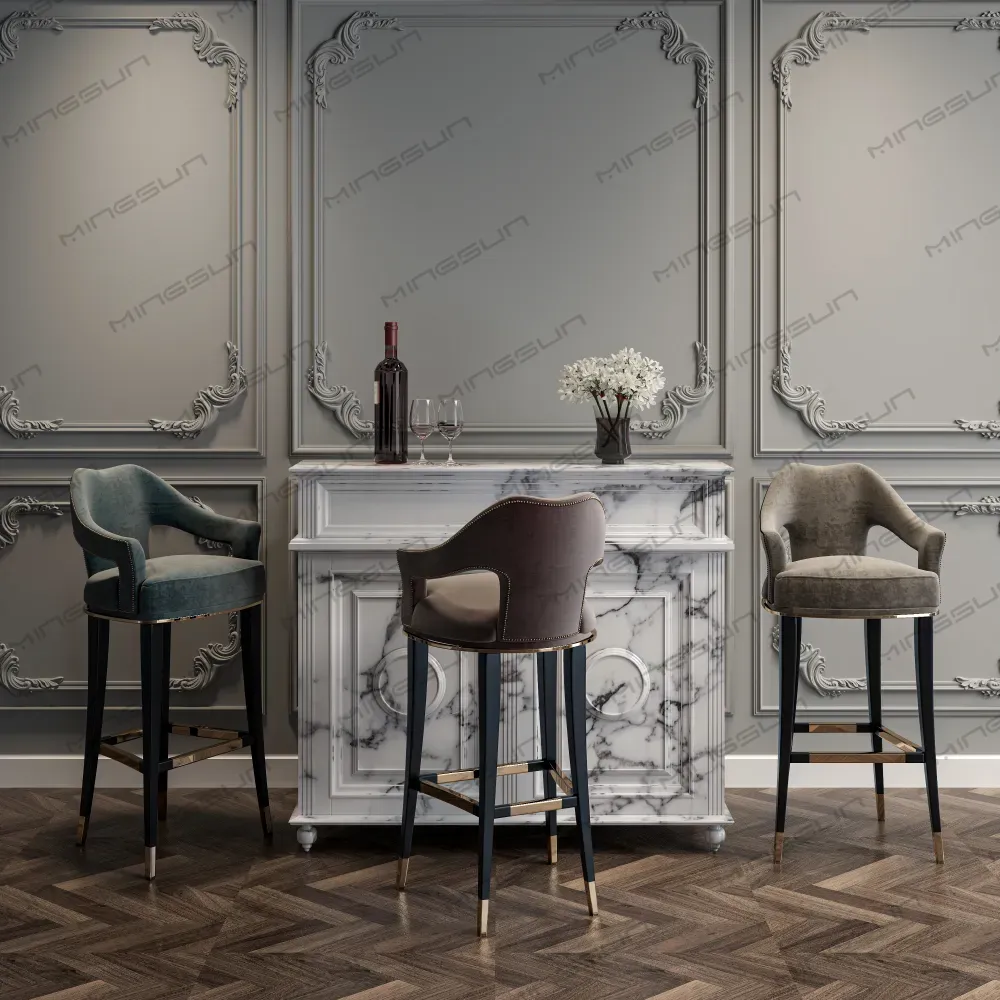
Luxury Velvet Bar Stool with Armrests & Brushed Brass Accents for Hotel Lounges and Bars
Elevate your hotel’s bar or lounge area with this opulent bar stool, where plush comfort meets sophisticated design. Upholstered in rich, deep-brown velvet, its sculptural back and integrated armrests offer ergonomic support, while the slender black metal frame is accented with polished brass at the feet and crossbars for a touch of timeless elegance. Perfect for high-end hospitality spaces, this stool combines refined aesthetics with durable construction, inviting guests to linger in style at your counter or cocktail station.
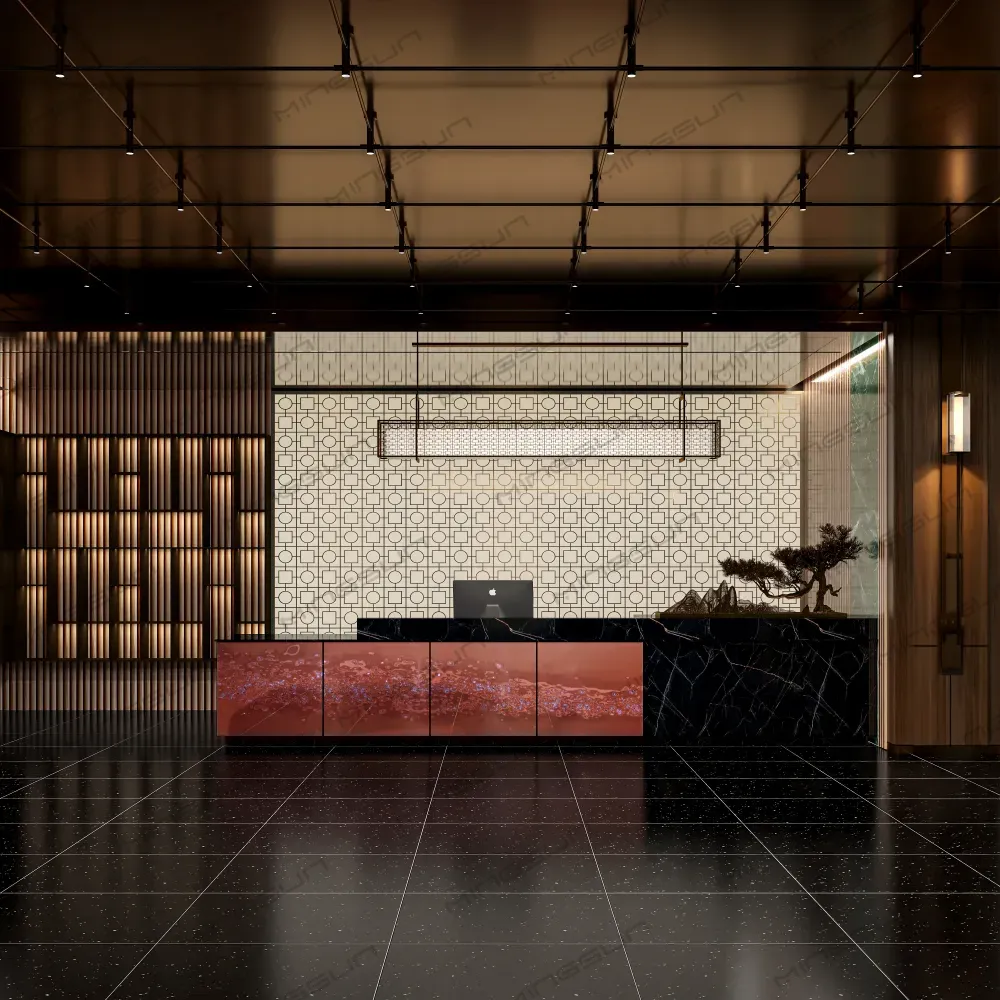
Luxury Reception Desk with Black Marble Top & Illuminated Copper-Resin Front Panels
Make a bold, unforgettable statement at your hotel’s entrance with this avant-garde reception desk. Its sleek black marble top exudes timeless sophistication, while the front facade features mesmerizing, internally lit copper-resin panels that glow with a warm, amber radiance, creating a dynamic visual centerpiece. Designed for both form and function, the unit offers ample concealed storage behind seamless doors and integrates a dedicated staff workstation with cable management. This is more than a check-in counter—it’s a sculptural installation that defines the luxury and artistry of your brand.
Get more industry insights
Looking for the right solution? Fill out the form and get a free quote.
Our experts will respond quickly with personalized options that fit your needs.
MINGSUN is a design-driven hotel furniture manufacturer offering OEM/ODM services, custom solutions, and global project support.
Built for wholesalers. Trusted by global buyers. Delivered with confidence.
Phone:
E-mail:
Follow us ——
 Scan QR Code
MINGSUN
MINGSUN
MINGSUN
MINGSUN
MS Custom Hotel Furniture Supplier