


7 Design Secrets for Custom Wine Cabinets That Elevate the Hotel Guest Experience
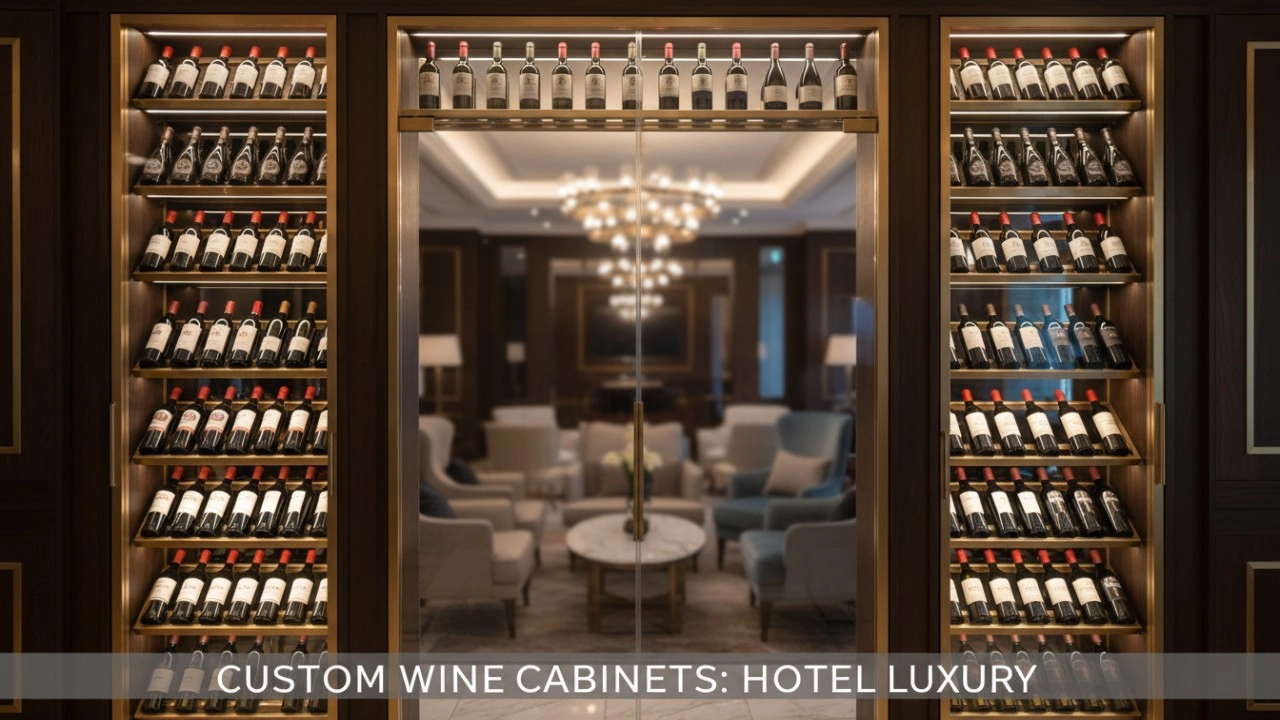
- How do custom wine cabinets impact the hotel guest experience?
- Secret #1: The 'Jewel Box' Effect (Visual Psychology)
- Secret #2: Invisible Climate Engineering
- Secret #3: Sommelier-Centric Workflow Design
- Secret #4: Lighting as a Sales Driver
- Secret #5: Private Wine Lockers for VIP Loyalty
- Secret #6: Smart Tech & Security Integration (2026 Trends)
- Secret #7: Material Storytelling & Sustainability
- Common Mistakes in Hotel Wine Storage Design
- FAQ: Expert Insights on Hotel Wine Displays
- Conclusion
In the competitive world of luxury hospitality, a wine list is only as impressive as its presentation. For high-end hotels and restaurants, the wine cellar has evolved from a hidden storage room into a centerpiece of architectural storytelling. Hospitality wine storage solutions are no longer just about preservation; they are about performance, revenue, and brand identity.
At MINGSUN, we understand that a custom wine cabinet is a fusion of art and engineering. Drawing from our experience furnishing premium hotel lobbies and restaurants across the globe, we have identified the specific design elements that turn a passive display into an active revenue driver.
How do custom wine cabinets impact the hotel guest experience?
Custom wine cabinets elevate the guest experience by transforming static inventory into interactive theater, validating premium menu pricing through visible preservation standards, and creating a sensory atmosphere of luxury and trust.
When a guest walks into a lobby or dining room and sees a stunning, floor-to-ceiling glass wine wall, two psychological shifts occur:
- Perceived Value: The visual prominence of the collection signals that the hotel takes its beverage program seriously, justifying higher price points for vintage bottles.
- Immersion: The display becomes a backdrop for social interaction, setting a mood of sophistication that standard millwork cannot achieve.
By merging aesthetic beauty with sommelier-grade engineering, hotels signal a commitment to quality that enhances brand perception and guest loyalty.
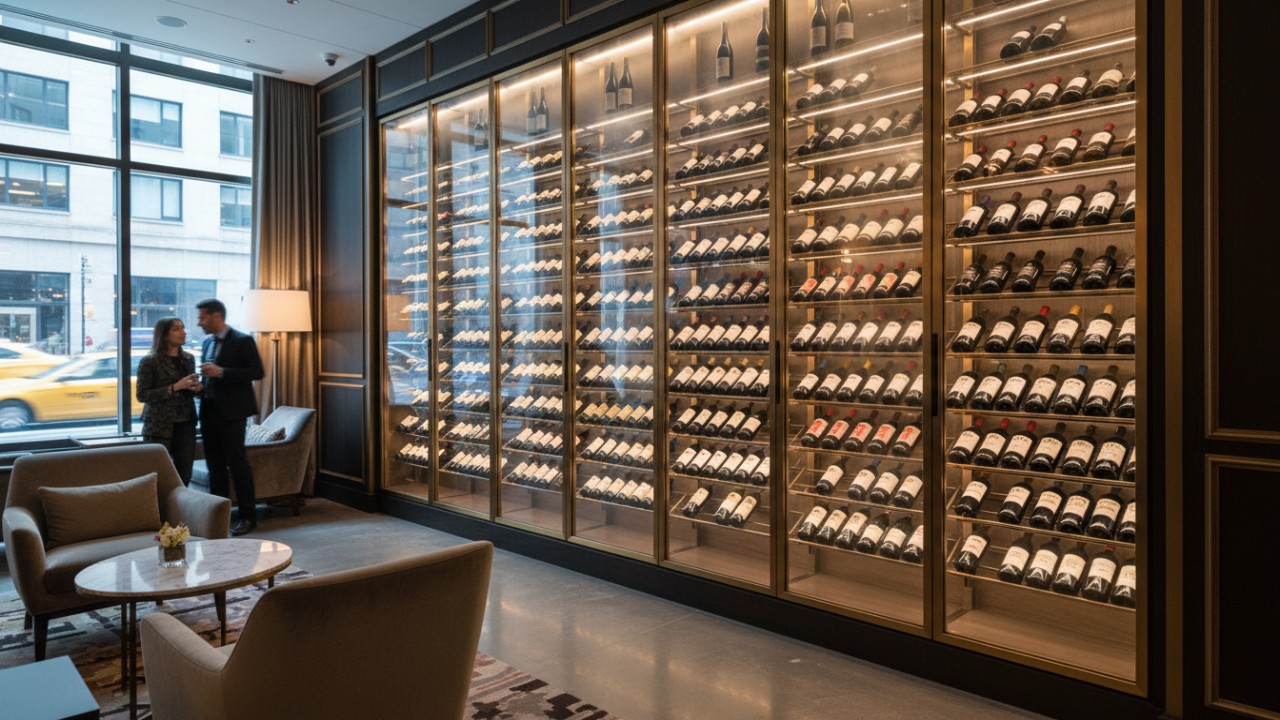
Secret #1: The 'Jewel Box' Effect (Visual Psychology)
The 'Jewel Box' effect creates a visual hierarchy by using floor-to-ceiling frameless glass and label-forward racking to turn wine inventory into the room's primary focal point.
To capture guest attention immediately, commercial wine display design must move beyond traditional solid wood doors. The goal is to reduce the visual barrier between the guest and the product.
- Frameless Glass: Use low-iron, ultra-clear glass to remove the green tint found in standard glass, ensuring the true colors of the wine labels pop.
- Label-Forward Racking: Instead of showing the cork (which offers no information), orient bottles so the label faces the guest. This triggers recognition of prestigious brands.
- Anti-Reflective Coating: Essential for high-traffic zones to prevent glare from dining room chandeliers, ensuring the collection is always visible.
Secret #2: Invisible Climate Engineering
Invisible climate engineering utilizes remote-ducted cooling systems to maintain strict temperature and humidity control while eliminating intrusive compressor noise from the dining experience.
Nothing ruins a romantic dinner faster than the hum of a refrigerator. For luxury hotel wine cellars, silence is as important as temperature. Standard HVAC systems are insufficient because they dry out the air, shrinking corks and oxidizing the wine.
According to the Wine & Spirit Education Trust (WSET), the ideal storage temperature for long-term preservation is a stable 10-15°C (50-59°F). Achieving this in a glass-enclosed cabinet requires:
- Remote Condensers: Placing the noisy mechanical unit up to 50 feet away (e.g., in a ceiling void or back-of-house) to ensure near-silent operation.
- Vibration Dampening: Using rubber-mounted racking systems to prevent micro-vibrations from disturbing the sediment in aged wines.
- Humidity Control: Maintaining 60-70% humidity to keep corks supple without causing mold growth on labels.
Secret #3: Sommelier-Centric Workflow Design
Sommelier-centric design prioritizes human ergonomics by placing high-turnover SKUs within arm's reach while relegating long-term aging stock to higher or lower zones to maximize service speed.
Sommelier-grade wine cabinets are tools for staff as much as they are displays for guests. A beautiful cabinet that slows down service will ultimately hurt the bottom line. Efficient design focuses on the "Golden Zone"—the area between waist and shoulder height.
- The Golden Zone: Reserve this space for fast-moving wines (by-the-glass pours and popular varietals).
- Decanting Stations: Integrate a pull-out shelf or niche within the cabinet for decanting, allowing the sommelier to perform the ritual at the table side without leaving the floor.
- FIFO Racking: Implement "First-In, First-Out" racking for high-volume bottles to ensure inventory rotation.
Secret #4: Lighting as a Sales Driver
Strategic lighting utilizes specific LED color temperatures (2700K-3000K) to enhance label readability and create a warm ambiance without emitting heat or UV rays that damage the wine.
Lighting is a powerful psychological trigger in hospitality. According to industry experts at TCP Lighting, warmer lighting temperatures (around 3000K) in hospitality settings encourage relaxation and comfort, while cooler lights promote alertness. For a wine display, you want to invite guests to linger and browse.
- UV-Free LEDs: Essential to prevent "light strike," a chemical reaction that can spoil the flavor of wine within hours.
- Dimmable Zones: The cabinet should be bright during lunch service to highlight labels but dimmable during dinner to match the moody atmosphere of the lounge.
- Backlit Stone: Using translucent onyx or alabaster back panels can turn the wine wall into a glowing art piece.
Secret #5: Private Wine Lockers for VIP Loyalty
Private wine lockers are secure, personalized storage units leased to high-net-worth guests to encourage recurring visits and foster a sense of exclusive ownership within the hotel.
Restaurant wine locker systems are a proven strategy for increasing food & beverage revenue. By offering a secure space for VIPs to store their purchased bottles, you create a "club within a hotel" atmosphere.
- Revenue Model: Hotels can charge an annual leasing fee plus a corkage fee for service, creating a dual revenue stream.
- Personalization: Brass nameplates or etched glass doors for locker holders add a layer of prestige.
- Mesh Doors: Use wire mesh instead of solid wood for lockers to allow airflow and let other guests see that the lockers are occupied by VIPs (social proof).
Secret #6: Smart Tech & Security Integration (2026 Trends)
Modern security integration combines biometric access and RFID tracking to ensure inventory accountability while allowing seamless integration with hotel management software.
As we look toward 2026, the physical key is becoming obsolete. High-value collections require digital audit trails.
- Smart Locks: Keycard or biometric (fingerprint) access ensures only authorized sommeliers can open the cabinet, with a digital log of who accessed it and when.
- RFID Inventory: Future-proof cabinets include RFID readers in the shelving that automatically update the POS system when a bottle is removed.
- Remote Alerts: IoT sensors send instant alerts to the facility manager's phone if the temperature deviates by more than 2 degrees.
Secret #7: Material Storytelling & Sustainability
Material storytelling involves selecting sustainable, durable finishes that reflect the local culture and hotel narrative, moving away from endangered woods toward eco-friendly alternatives.
Sustainability is now a core requirement for luxury developments. At MINGSUN, our 10,000 ㎡ factory specializes in sourcing and processing diverse materials that meet global environmental standards.
- Sustainable Woods: We utilize thermal-treated woods and FSC-certified veneers that mimic the look of mahogany or ebony without the environmental cost.
- Industrial Metals: For urban hotels, oxidized steel, brushed brass, and blackened iron provide a modern, edgy aesthetic that is highly durable.
- Local Context: A hotel in Napa Valley might use reclaimed barrel staves, while a hotel in Tokyo might prefer sleek, minimalist black ash.
Common Mistakes in Hotel Wine Storage Design
Even with the best intentions, many projects fail due to technical oversights.
- Poor Thermal Breaks: Installing a glass wine wall next to a sunny window without proper UV glazing or thermal insulation will destroy the wine.
- Ignoring Bottle Variance: Failing to design for different bottle widths (e.g., Champagne vs. Riesling) leads to scratched labels and wasted capacity.
- Under-Cooling: Glass has poor insulation compared to insulated walls. Designers often underestimate the BTU cooling load required to keep a glass box at 55°F in a 75°F dining room.
FAQ: Expert Insights on Hotel Wine Displays
What is the ideal temperature for a hotel wine cabinet serving both red and white? For dual service, a dual-zone system is best: 45-50°F (7-10°C) for whites and 55-60°F (13-15°C) for reds. If a single zone is the only option, aim for 55°F (13°C) as a safe baseline for all aging.
How much space is needed for a custom wine wall in a hotel lobby? Depths can be as shallow as 14-18 inches for label-forward racking. However, you must account for insulation thickness and airflow around the cooling ducts.
Are wine lockers profitable for hotels? Yes. Beyond the leasing fees, locker holders statistically spend significantly more on food and bring larger parties to the venue to show off their collection.
Can custom wine cabinets be built into existing millwork? Yes, provided there is adequate ventilation for the cooling unit's exhaust. A vapor barrier must also be installed behind the millwork to prevent condensation and mold damage to the hotel structure.
Conclusion
Implementing these design secrets transforms wine storage from a utility into a profitable experience. A well-designed cabinet protects your investment while acting as a stunning focal point that guests will remember. From noise control to lighting psychology, every detail matters in luxury hospitality.
With over 200 skilled workers and a dedicated design team, MINGSUN delivers high-quality, custom furniture solutions that bring these concepts to life for hotels worldwide.
Contact us today to discuss your specific needs and elevate your hotel's interior design.
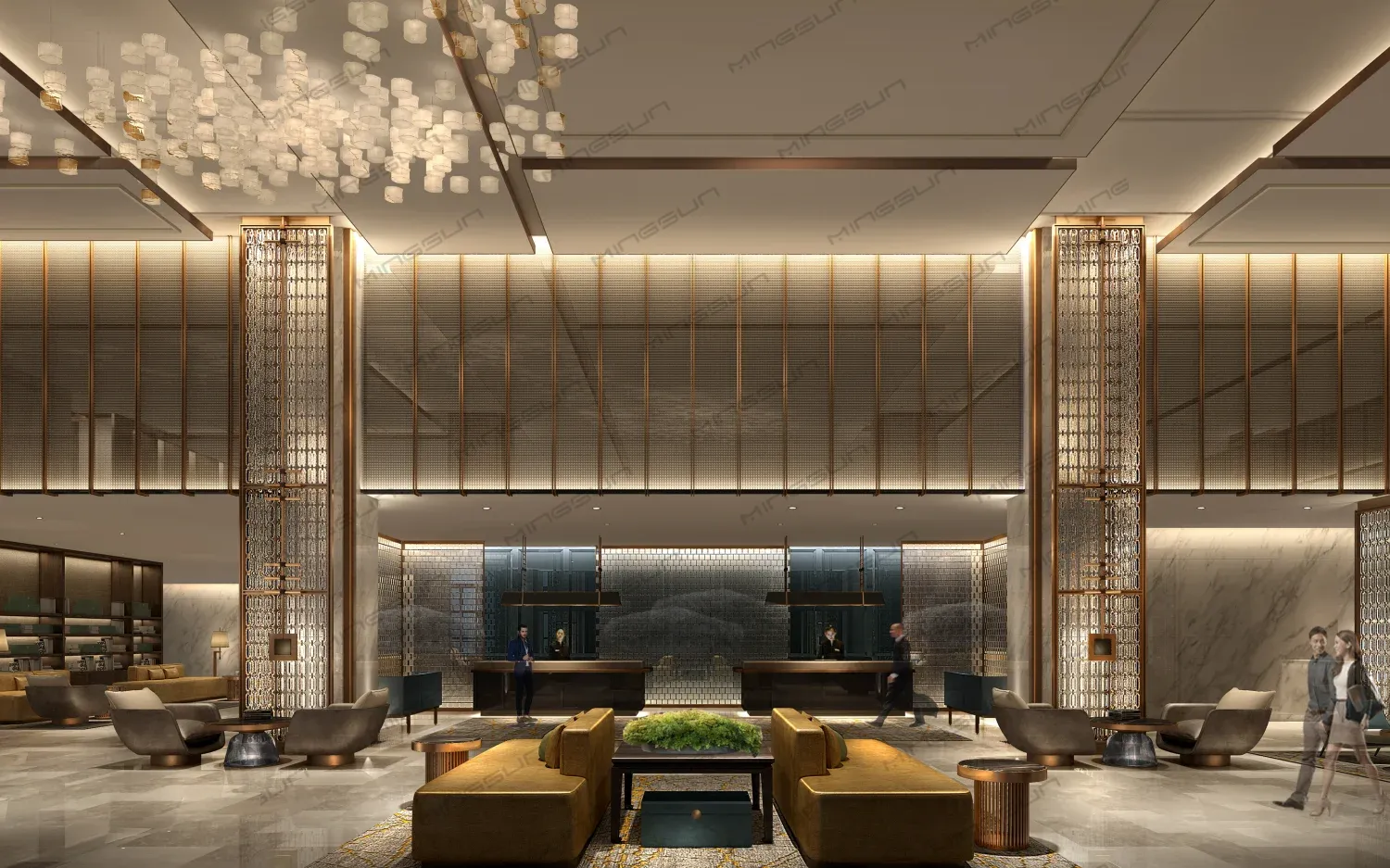
What is the Front Desk Area of a Hotel?

Choosing the Perfect Outdoor Dining Table

The Ultimate Guide to Hotel Room Dimensions: Standards, Layouts, and Design for Every Stay

Custom Built-In Wine Cabinets vs. Freestanding Units: Which is Right for Your Hotel Project?
Pricing, Payment & Packaging
How is pricing calculated? Does customization increase the cost?
Materials, Craftsmanship & Quality Control
How are quality issues handled?
About Mingsun – Company Background
Who are Mingsun’s main clients?
Product Scope & Application Areas
What types of hotel furniture can Mingsun provide?
Can you provide a full hotel furniture package?
Make an appointment with us today
Modern Hotel Dining Furniture Set-Custom Designed Wooden Tables, Upholstered Chairs & Banquette Seating
Create a lasting impression with our custom-designed hotel dining furniture set, crafted for modern luxury hotels and upscale restaurants.
Featuring elegant wooden tables, ergonomic blue-upholstered chairs, and built-in banquette seating, this collection blends comfort, style, and durability.
As a leading manufacturer in Guangzhou, we deliver end-to-end solutions - from concept design and 3D visualization to production and global shipping - all at factory-direct prices.
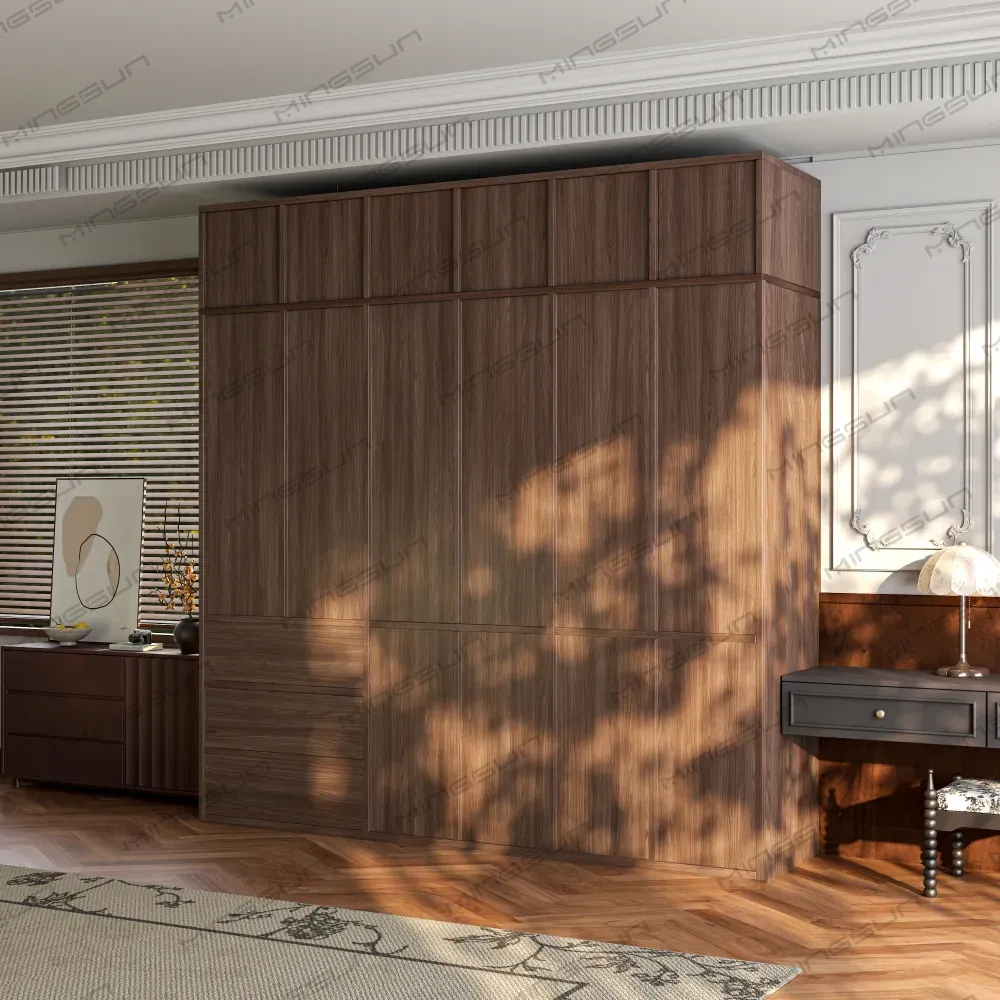
Minimalist Walnut Veneer Floor-to-Ceiling Hotel Wardrobe with Handleless Design
Maximize vertical storage in your hotel guest rooms or luxury apartments with this sleek, floor-to-ceiling wardrobe system. Defines by its warm, natural walnut wood veneer finish, the unit offers a sophisticated, handleless facade that maintains clean architectural lines, perfect for modern minimalist interiors. The intelligent layout features a bank of three external soft-close drawers for guest convenience, tall hanging sections for formal wear, and a dedicated row of top-tier cabinets specifically designed to store extra bedding, pillows, or seasonal items.
Manufactured by MINGSUN, this wardrobe is a testament to our expertise in custom hospitality joinery. We engineer these large-scale units for durability and ease of installation. From our Guangzhou factory, we provide precision-cut flat-pack solutions that reduce shipping costs while ensuring a premium built-in look upon assembly.
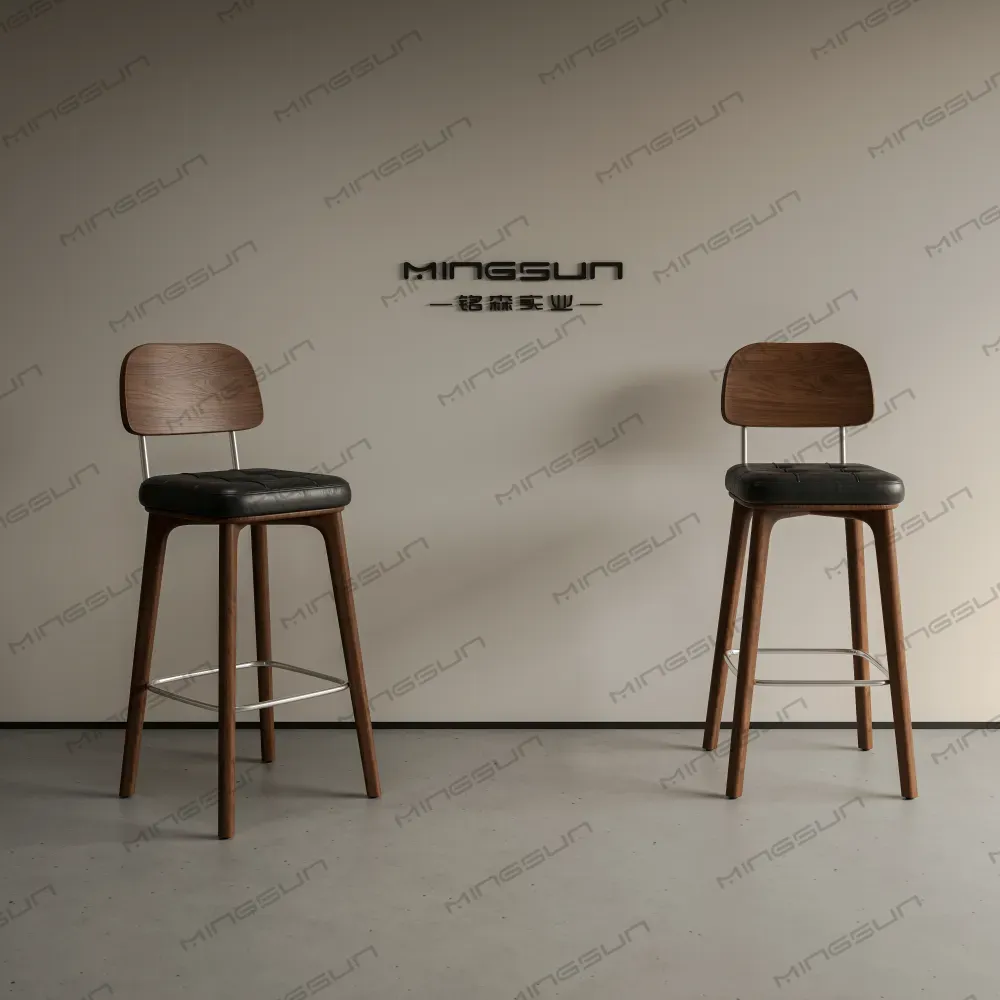
Mid-Century Modern Walnut Bar Stool with Tufted Leather Seat & Chrome Footrest for Luxury Hospitality
Elevate the aesthetic of your hotel bar, upscale restaurant, or executive lounge with this sophisticated bar stool, meticulously crafted by MINGSUN. Blending mid-century modern warmth with industrial durability, this stool features a curved, walnut-veneer backrest designed for ergonomic support and visual depth. The seat is upholstered in premium black PU leather (customizable to genuine leather) with classic button tufting, offering a refined texture that resists wear in high-traffic commercial environments.
Supported by tapered solid wood legs and reinforced with a chrome-finished steel footrest ring, this piece ensures stability and longevity. As a leading Guangzhou hotel furniture manufacturer, MINGSUN ensures that every stool meets rigorous contract-grade standards. From our 10,000㎡ factory directly to your venue, we provide a complete solution including manufacturing, global logistics, and video installation guidance to ensure a seamless project completion.
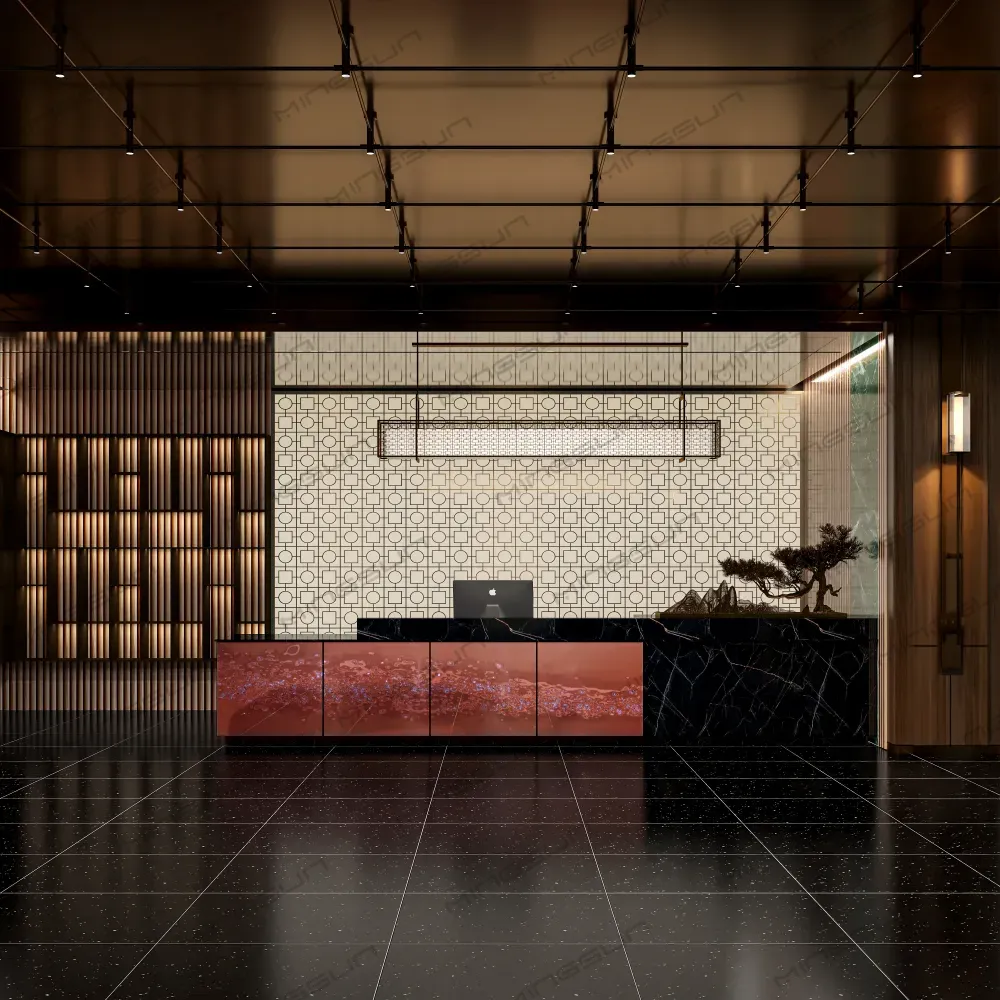
Luxury Reception Desk with Black Marble Top & Illuminated Copper-Resin Front Panels
Make a bold, unforgettable statement at your hotel’s entrance with this avant-garde reception desk. Its sleek black marble top exudes timeless sophistication, while the front facade features mesmerizing, internally lit copper-resin panels that glow with a warm, amber radiance, creating a dynamic visual centerpiece. Designed for both form and function, the unit offers ample concealed storage behind seamless doors and integrates a dedicated staff workstation with cable management. This is more than a check-in counter—it’s a sculptural installation that defines the luxury and artistry of your brand.
Get more industry insights
Looking for the right solution? Fill out the form and get a free quote.
Our experts will respond quickly with personalized options that fit your needs.
MINGSUN is a design-driven hotel furniture manufacturer offering OEM/ODM services, custom solutions, and global project support.
Built for wholesalers. Trusted by global buyers. Delivered with confidence.
Phone:
E-mail:
Follow us ——
 Scan QR Code
MINGSUN
MINGSUN
MINGSUN
MINGSUN
MS Custom Hotel Furniture Supplier