


Hotel Room Decor Ideas 2026: The Ultimate Guide to Guest Experience & ROI
A comprehensive guide for hoteliers and designers on the latest hotel room decor trends for 2026. This article covers the psychology of space, actionable design elements, smart technology integration, and sustainable practices, all backed by industry data to maximize Average Daily Rate (ADR) and guest satisfaction.
- Introduction: The Power of Perfect Hotel Room Decor
- The Psychology of Space: How Decor Influences Guest Experience
- First Impressions and Visual Impact
- Biophilic Design and Well-being
- The Science of Lighting
- Foundation First: Essential Design Principles for Every Hotel Room
- Functional Layouts
- Durable & Sustainable Materials
- Key Decor Elements: Actionable Ideas for Impactful Rooms
- Furniture: Comfort, Style & Multi-functionality
- Art & Wall Decor: Storytelling Through Visuals
- Textiles & Soft Furnishings: The Touch of Luxury
- Smart Technology Integration
- Bathroom as a Sanctuary
- Tailoring Decor for Every Hotel Type: Specific Strategies
- Beyond Aesthetics: Measuring the ROI of Hotel Room Decor
- Future Trends in Hotel Room Decor for 2026 and Beyond
- Conclusion: Crafting Unforgettable Stays Through Inspired Decor
- Frequently Asked Questions
- What are the most impactful elements for hotel room decor?
- How can hotel room decor enhance guest experience?
- What decor ideas work best for a small hotel room?
- How important is a consistent decor theme across hotel rooms?
- What are common decor mistakes to avoid in hotel rooms?
- How can hotels incorporate local culture into their room decor?
- What role does technology play in modern hotel room decor?
- How often should hotel room decor be updated?
Introduction: The Power of Perfect Hotel Room Decor
In the competitive hospitality landscape, hotel room decor is no longer just about aesthetics; it is a strategic asset that directly correlates with business performance. Industry research suggests that guests form a first impression within just seven seconds of entering a space, making visual appeal a critical factor in securing positive reviews and repeat bookings.
As we approach 2026, the definition of luxury and comfort is evolving. Today's travelers demand more than a place to sleep; they seek an experience that resonates with their values—whether that be through sustainable hotel design, seamless technology, or emotional connection. This guide serves as a definitive resource for elevating your property, ensuring every design choice contributes to both guest satisfaction and a tangible hotel decor return on investment.
The Psychology of Space: How Decor Influences Guest Experience
Understanding the psychological impact of design is paramount. Decor does not just fill a room; it shapes the guest's mood and behavior.
First Impressions and Visual Impact
The initial visual intake of a room sets the tone for the entire stay. A cohesive design language signals professionalism and care. According to a report by Hotel Designs, the strategic use of color and light can significantly alter a guest's physiological state, influencing everything from heart rate to sleep quality.
Biophilic Design and Well-being
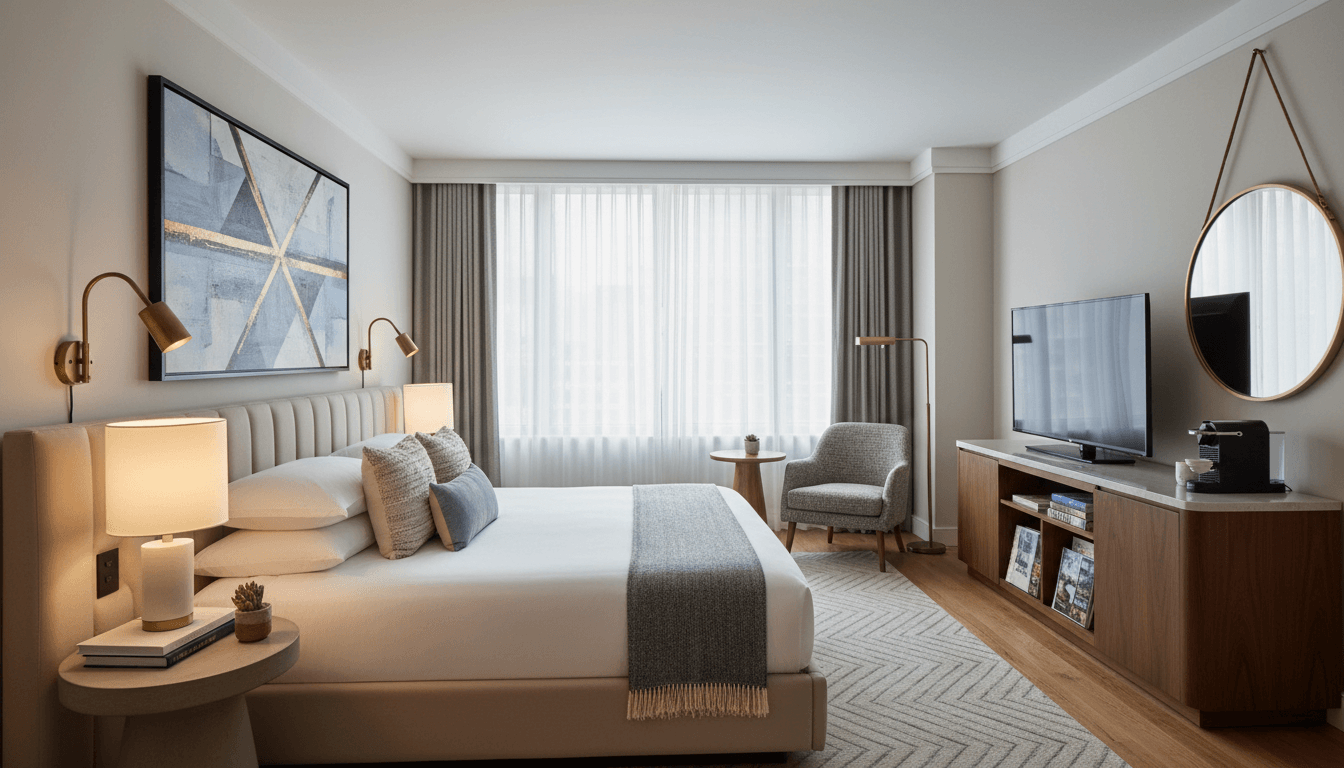
Incorporating nature into hospitality interior decor is a powerful tool. Biophilic design—the practice of connecting interiors with the natural world—has been shown to yield measurable results. Data cited by Interface and Terrapin Bright Green indicates that guests spend 36% more time in lobbies with biophilic elements and that rooms with views of nature can command an Average Daily Rate (ADR) premium of up to 18%. Introducing elements like natural wood finishes, stone textures, and living plants creates a subconscious sense of calm and safety.
The Science of Lighting
Lighting is perhaps the most critical yet overlooked element of guest room comfort. The rise of circadian lighting represents a major shift in hotel room design trends. Research published by Hotel Designs highlights that lighting systems mimicking the sun's natural progression—cool blue tones for focus during the day and warm amber tones for relaxation at night—can drastically improve guest sleep cycles and overall satisfaction.
Foundation First: Essential Design Principles for Every Hotel Room
Before selecting throw pillows or art, the structural foundation of the room must be sound.
Functional Layouts
Space optimization is key, particularly for budget hotel decor solutions where square footage is limited. The flow should be intuitive, allowing guests to move freely between the sleeping, working, and bathing zones without obstruction. Ergonomics must prioritize the "unpacking experience," ensuring luggage racks and wardrobes are accessible.
Durable & Sustainable Materials
Sustainability is now a baseline expectation. The Circular Economy concept is reshaping procurement, encouraging the use of materials that are not only durable but also recyclable or biodegradable. As noted by Green Pearls, employing "cradle-to-cradle" design principles—where materials can be repurposed at the end of their lifecycle—reduces waste and appeals to eco-conscious travelers.
Key Decor Elements: Actionable Ideas for Impactful Rooms
Furniture: Comfort, Style & Multi-functionality
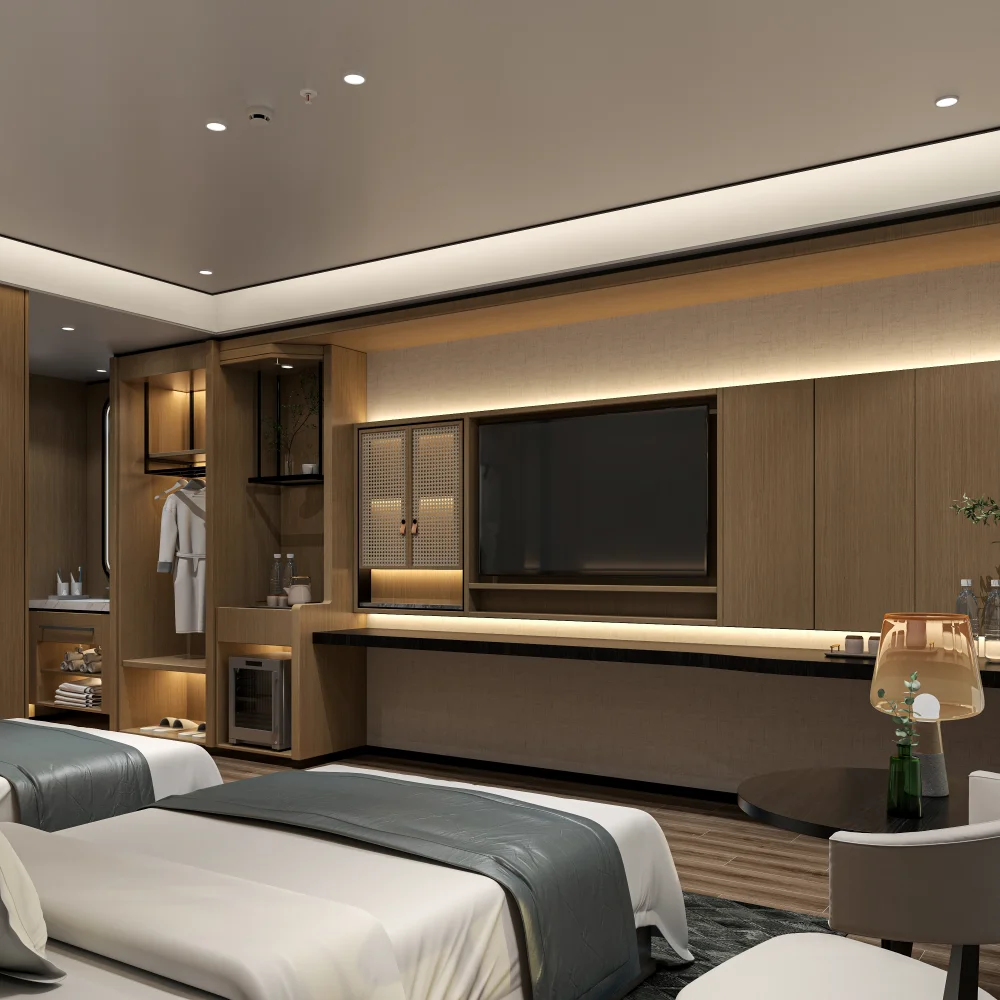
In 2026, furniture must work harder. Guest room comfort elements like ergonomic chairs and mattresses are non-negotiable. For smaller rooms, multi-functional pieces such as ottomans with internal storage or headboards with integrated nightstands maximize utility without clutter.
Art & Wall Decor: Storytelling Through Visuals
Avoid generic stock art. Hotel branding through design is best achieved by curating local art that tells a story about the destination. This creates a "sense of place" that generic decor cannot replicate. Large mirrors are also a tactical choice; they not only reflect light but visually double the space, a technique essential for boutique hotel styling.
Textiles & Soft Furnishings: The Touch of Luxury
Texture conveys quality. Layering varied textures—velvet throws against crisp cotton linens, or wool rugs on hardwood floors—adds depth and warmth. Sound-dampening curtains (blackout drapes) are critical for sleep quality and privacy.
Smart Technology Integration
Smart hotel technology integration is moving from novelty to necessity. According to 2026 tech trend forecasts by Revfine, guests expect seamless connectivity. This includes:
· IoT-enabled controls: Allowing guests to adjust lighting, temperature, and blinds via voice command or a mobile app.
· Contactless features: Mobile key entry and digital check-ins reduce friction.
· Hidden Tech: Wireless charging pads built into nightstands maintain a clean aesthetic while offering utility.
Bathroom as a Sanctuary
The bathroom is often the deciding factor in a guest's perception of luxury. Upgrading to spa-like fixtures, rainfall showerheads, and installing backlit mirrors can elevate even a standard bathroom into a sanctuary.
Tailoring Decor for Every Hotel Type: Specific Strategies
· Luxury Hotels: Focus on hyper-personalization and exclusivity. Use bespoke joinery, high-end natural stones like marble, and original artwork. The goal is to offer luxury hotel room features that guests cannot experience at home.
· Boutique Hotels: Lean into narrative and quirkiness. Each room can have a distinct theme or color palette that reflects the local culture or history.
· Business Hotels: Prioritize efficiency. A well-lit, ergonomic workspace with ample power outlets is the primary requirement. Soundproofing is also critical for this demographic.
· Family-Friendly Hotels: Durability is key. Use stain-resistant fabrics and rounded furniture edges for safety. Convertible sleeping arrangements (sofa beds, bunk beds) add value.
· Eco-Friendly Hotels: Showcase your commitment. Use reclaimed wood, bamboo flooring, and display information about the room's sustainable features to engage guests.
· Budget-Friendly Hotels: Focus on high-impact, low-cost updates. Fresh paint, modern lighting fixtures, and high-quality bedding can revitalize a room without a full renovation.
Beyond Aesthetics: Measuring the ROI of Hotel Room Decor
Investing in decor is a financial decision. The hotel decor return on investment can be measured through several metrics. A study highlighted by Demand Hospitality suggests that targeted renovations can lead to a 15% increase in Revenue Per Available Room (RevPAR) within six months. Furthermore, updated interiors often correlate with a 0.5-point increase in TripAdvisor ratings, which directly influences booking volume and the ability to command higher rates.
Operational efficiency also drives ROI. Selecting commercial-grade, stain-resistant fabrics reduces replacement frequency and housekeeping time, lowering long-term operational costs.
Future Trends in Hotel Room Decor for 2026 and Beyond
Looking ahead, hotel room design trends will become increasingly immersive:
· Hyper-Personalization: AI will adjust room settings (temperature, lighting, digital art) to a guest's preference before they even enter.
· Immersive Sensory Experiences: Beyond sight, rooms may integrate scentscapes and curated sound lists to induce relaxation.
· Advanced Wellness: Rooms will act as wellness hubs, featuring air purification systems and circadian lighting as standard.
· Robotics: As labor shortages persist, functional decor may include docking stations for service robots that deliver amenities.
Conclusion: Crafting Unforgettable Stays Through Inspired Decor
As the hospitality industry evolves, the hotels that thrive will be those that view decor as a holistic part of the guest experience. By combining aesthetic beauty with functional design, smart technology, and sustainable practices, hoteliers can create spaces that not only delight guests but also drive significant business growth. Whether you are managing a boutique property or a large resort, the investment in thoughtful design is an investment in your brand's future.
Frequently Asked Questions
What are the most impactful elements for hotel room decor?
Strategic lighting is often cited as the most transformative element, followed closely by high-quality bedding and textiles. Lighting sets the mood and functionality of the space, while bedding directly impacts the primary purpose of the stay: sleep. Additionally, statement artwork or a unique headboard can serve as a focal point that defines the room's character.
How can hotel room decor enhance guest experience?
Decor enhances experience by reducing friction and inducing positive emotions. Functional layouts prevent frustration, while calming color palettes and biophilic elements reduce stress. High-quality materials signal to the guest that they are valued, fostering a sense of comfort and luxury that leads to better reviews and loyalty.
What decor ideas work best for a small hotel room?
For small rooms, the goal is to maximize perceived space. Use large mirrors to visually double the room size. Opt for wall-mounted furniture (desks, nightstands) to free up floor space. Light, neutral color palettes help the room feel airy, while multi-functional furniture, like a bed with drawer storage, reduces clutter.
How important is a consistent decor theme across hotel rooms?
Consistency is crucial for brand identity. While individual rooms can have slight variations (e.g., different art pieces), the overall style, quality level, and color story should be cohesive. This reassures guests that they will receive a reliable standard of quality regardless of which room they are assigned.
What are common decor mistakes to avoid in hotel rooms?
The most common mistake is prioritizing form over function—such as poor lighting that makes working or reading difficult, or placing outlets in inaccessible locations. Overcrowding a room with too much furniture is another error that makes spaces feel small and stressful. Finally, neglecting the durability of materials can lead to a "worn" look very quickly.
How can hotels incorporate local culture into their room decor?
Hotels can support the local economy and create authentic experiences by sourcing furniture, art, and textiles from local artisans. Using regional materials (e.g., local stone or wood) and incorporating design motifs specific to the area's history or landscape helps guests feel connected to the destination.
What role does technology play in modern hotel room decor?
Technology is now an integrated design element. It facilitates comfort through smart thermostats and lighting scenes. It also impacts the physical design; furniture must now accommodate charging ports, and layouts must consider the placement of large smart TVs. The goal is for tech to be intuitive and helpful, not intrusive.
How often should hotel room decor be updated?
Generally, soft goods (textiles, paint, art) should be refreshed every 5-7 years to keep the look current and address wear. Hard goods (furniture, flooring, bathrooms) typically have a lifecycle of 10-15 years. However, in the fast-paced luxury market, more frequent updates may be necessary to stay competitive.
Hotel Furniture Design Trends That Will Dominate in 2026
How to Grow Your Hotel Business?: 11 Sales Strategies

Unlocking Opulence: The Ultimate Guide to Luxury Hotel Room Layouts for 2026 & Beyond

12 Common Hotel Design Mistakes and How to Avoid Them
Pricing, Payment & Packaging
How is packaging handled to ensure transportation safety?
About Mingsun – Company Background
What kind of company is Mingsun?
Materials, Craftsmanship & Quality Control
Is the furniture suitable for high-frequency hotel use?
After-Sales Service & Long-Term Cooperation
Do you provide after-sales support?
Customization Capability & Design Support
Can you manufacture furniture based on design drawings or renderings?
Make an appointment with us today
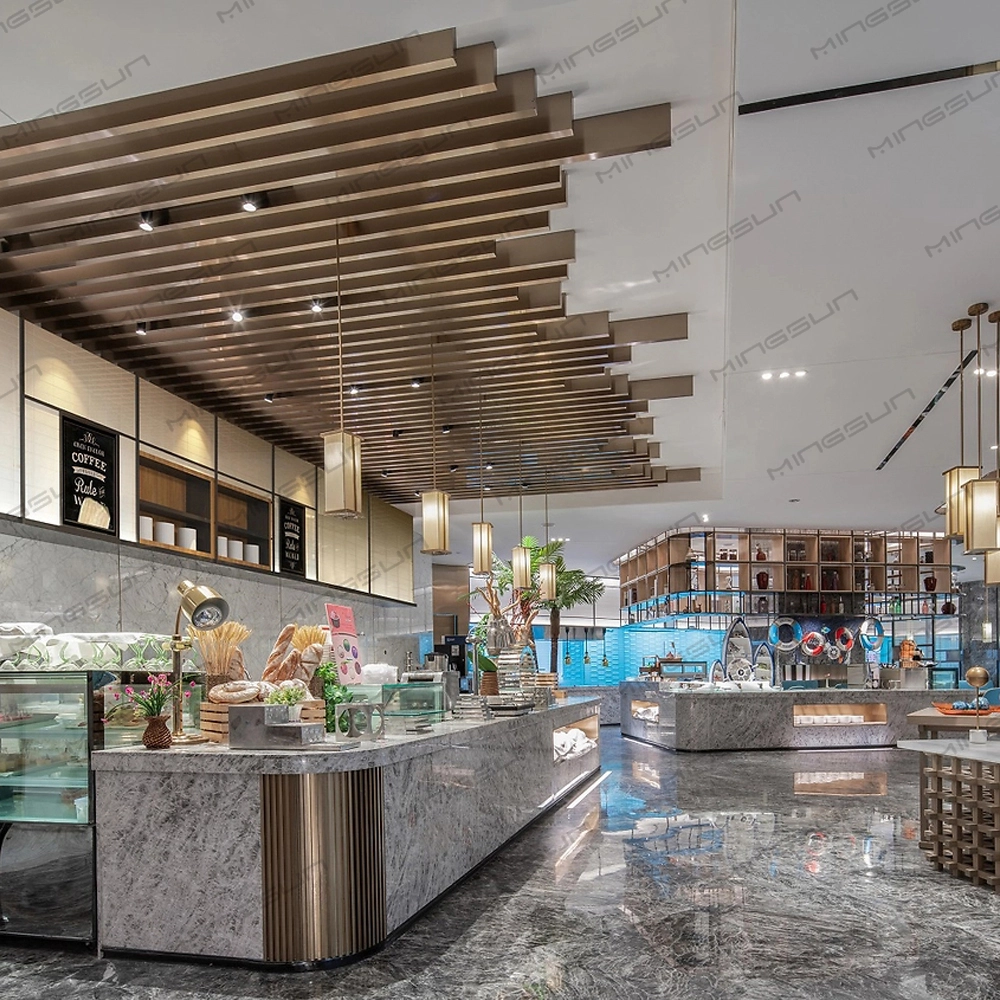
Modern Hotel Dining Furniture Set-Custom Designed Wooden Tables, Upholstered Chairs & Banquette Seating
Create a lasting impression with our custom-designed hotel dining furniture set, crafted for modern luxury hotels and upscale restaurants.
Featuring elegant wooden tables, ergonomic blue-upholstered chairs, and built-in banquette seating, this collection blends comfort, style, and durability.
As a leading manufacturer in Guangzhou, we deliver end-to-end solutions - from concept design and 3D visualization to production and global shipping - all at factory-direct prices.
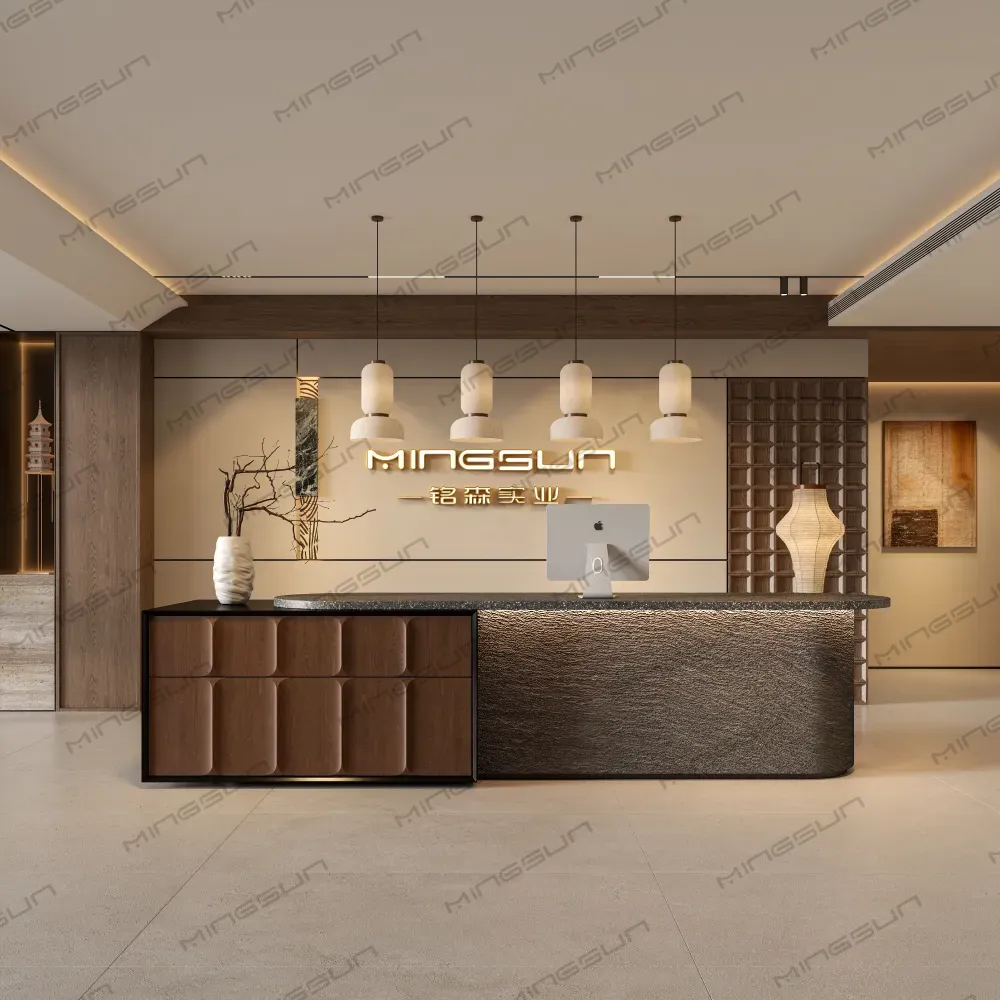
Luxury Textured Stone & Walnut Veneer Reception Desk with 3D Relief Detailing
Create a sophisticated, organic atmosphere in your hotel lobby or boutique showroom with this avant-garde reception desk. Combining the raw beauty of nature with refined craftsmanship, this desk features a striking contrast between materials. The main body showcases a dark, hammered-texture stone facade that offers a tactile, rugged elegance, topped with a polished grey terrazzo-style counter. This is seamlessly integrated with a rich walnut wood storage module, defined by its unique 3D pill-shaped relief carving on the drawer fronts. Soft, warm LED lighting concealed beneath the countertop edge highlights the textured stone surface, adding depth and warmth to the reception area.
Crafted by MINGSUN, a specialist in bespoke hospitality furniture, this piece is designed to be the focal point of high-end interiors. From our Guangzhou manufacturing hub, we deliver precision-engineered furniture to hotels worldwide. We offer a seamless experience from design customization to DDP global delivery and video-guided installation.
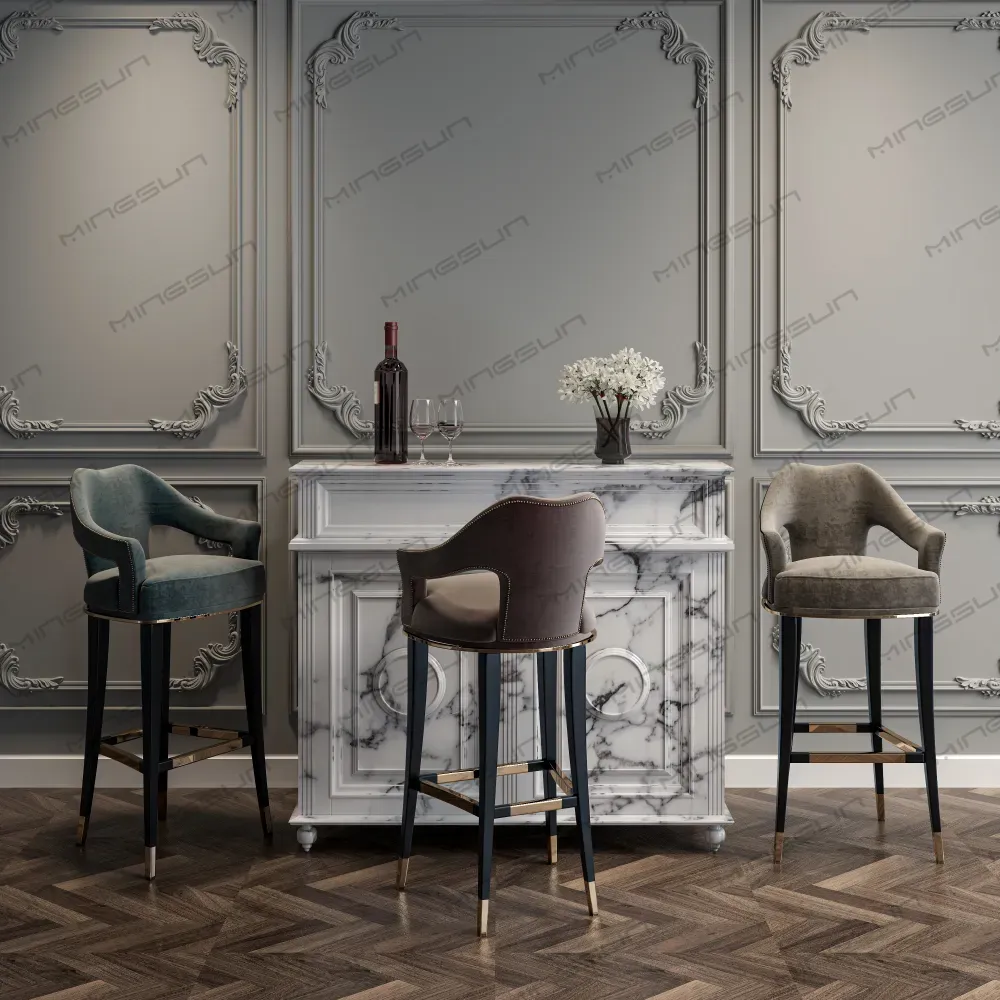
Luxury Velvet Bar Stool with Armrests & Brushed Brass Accents for Hotel Lounges and Bars
Elevate your hotel’s bar or lounge area with this opulent bar stool, where plush comfort meets sophisticated design. Upholstered in rich, deep-brown velvet, its sculptural back and integrated armrests offer ergonomic support, while the slender black metal frame is accented with polished brass at the feet and crossbars for a touch of timeless elegance. Perfect for high-end hospitality spaces, this stool combines refined aesthetics with durable construction, inviting guests to linger in style at your counter or cocktail station.
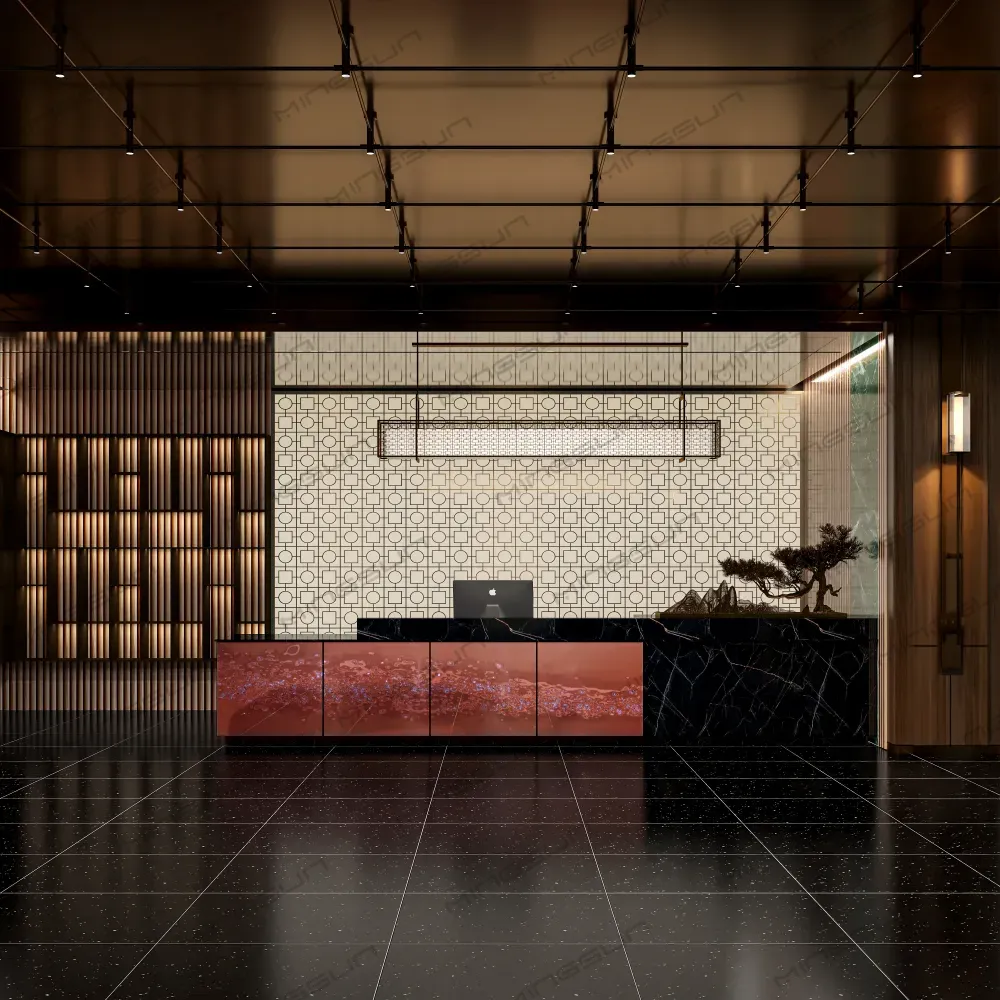
Luxury Reception Desk with Black Marble Top & Illuminated Copper-Resin Front Panels
Make a bold, unforgettable statement at your hotel’s entrance with this avant-garde reception desk. Its sleek black marble top exudes timeless sophistication, while the front facade features mesmerizing, internally lit copper-resin panels that glow with a warm, amber radiance, creating a dynamic visual centerpiece. Designed for both form and function, the unit offers ample concealed storage behind seamless doors and integrates a dedicated staff workstation with cable management. This is more than a check-in counter—it’s a sculptural installation that defines the luxury and artistry of your brand.
Get more industry insights
Looking for the right solution? Fill out the form and get a free quote.
Our experts will respond quickly with personalized options that fit your needs.
MINGSUN is a design-driven hotel furniture manufacturer offering OEM/ODM services, custom solutions, and global project support.
Built for wholesalers. Trusted by global buyers. Delivered with confidence.
Phone:
E-mail:
Follow us ——
 Scan QR Code
MINGSUN
MINGSUN
MINGSUN
MINGSUN
MS Custom Hotel Furniture Supplier