


Decoding Hotel Room Sizes: Your 2026 Guide to Standard Dimensions & Maximizing Space
A comprehensive guide to hotel room sizes in 2026, covering average square footage by region and star rating, ADA standards, and tips for maximizing space. Learn to decode room types from micro-hotels to luxury suites.
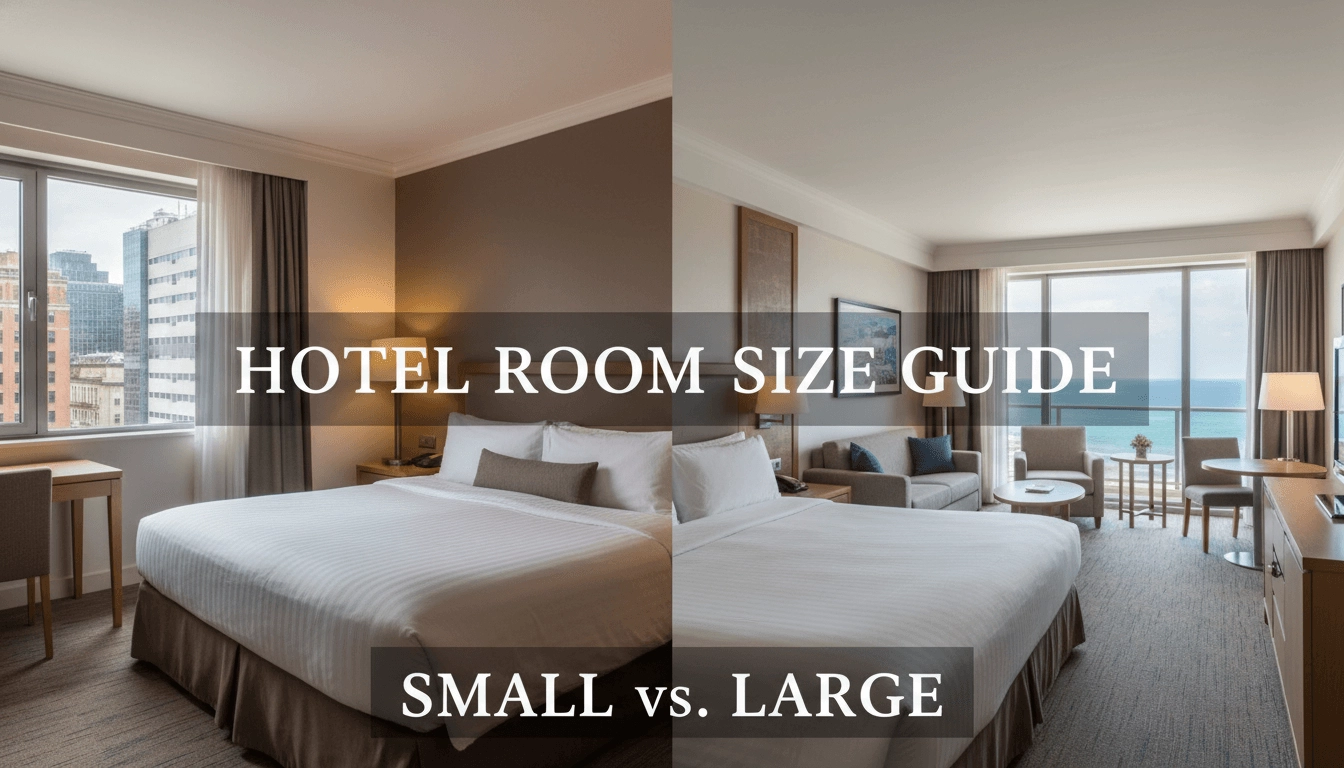
- Introduction: Why Hotel Room Size Matters More Than You Think
- Understanding the Average Hotel Room Size: A Global Perspective
- Hotel Room Sizes by Type: From Cozy Singles to Expansive Suites
- Standard Rooms
- Deluxe & Executive Rooms
- Hotel Suites
- How Hotel Room Sizes Vary by Classification & Star Rating
- Budget/Economy Hotels (1-2 Stars)
- Mid-Range Hotels (3 Stars)
- Full-Service/Luxury Hotels (4-5 Stars)
- Geographical Differences: Hotel Room Sizes Around the World
- Beyond Square Footage: Maximizing Perceived Space and Comfort
- Accessibility Standards (ADA) and Hotel Room Dimensions
- Choosing the Right Hotel Room Size for Your Trip in 2026
- The Evolution of Hotel Room Design: Trends for 2026 and Beyond
- Tips for Booking and Confirming Hotel Room Sizes
- Frequently Asked Questions
- What is the standard hotel room size in square feet?
- How do hotel room sizes vary between budget and luxury hotels?
- Are hotel rooms in Europe generally smaller than in the US?
- What is the typical size of a hotel suite?
- How can I find out the exact room size before booking a hotel?
- Does the type of bed affect the perceived or actual room size?
- What are micro-hotels and how do their room sizes compare?
- What are ADA standards for hotel room sizes?
Introduction: Why Hotel Room Size Matters More Than You Think
When planning a trip, we often prioritize location and price, but average hotel room square footage can be the silent factor that makes or breaks your stay. A cramped room can turn a relaxing vacation into a claustrophobic ordeal, while a thoughtfully designed space enhances comfort and functionality.
Contrary to popular belief, there is no single global standard for hotel room sizes. Dimensions fluctuate wildly depending on the building's age, the hotel's star rating, and, most significantly, its geographic location. In this ultimate guide, we will decode standard hotel room dimensions, dispel common myths, and equip you with the knowledge to choose the perfect accommodation for your needs in 2026.
Understanding the Average Hotel Room Size: A Global Perspective
Defining an "average" can be tricky in the hospitality industry, but industry data provides us with reliable baselines. In the United States, the typical hotel room hovers around 300 square feet (approximately 28 square meters). However, this figure is an aggregate that includes everything from roadside motels to sprawling resort guestrooms.
According to data from hospitality technology providers like SiteMinder, this average is heavily skewed by modern construction. Older properties often feature smaller footprints, while newer developments aim for larger hotel room measurements to compete in the luxury market. It is crucial to understand that "average" does not mean "guaranteed"; a traveler in New York City might find 200 square feet to be the norm, while a guest in Orlando might consider 300 square feet to be on the smaller side.
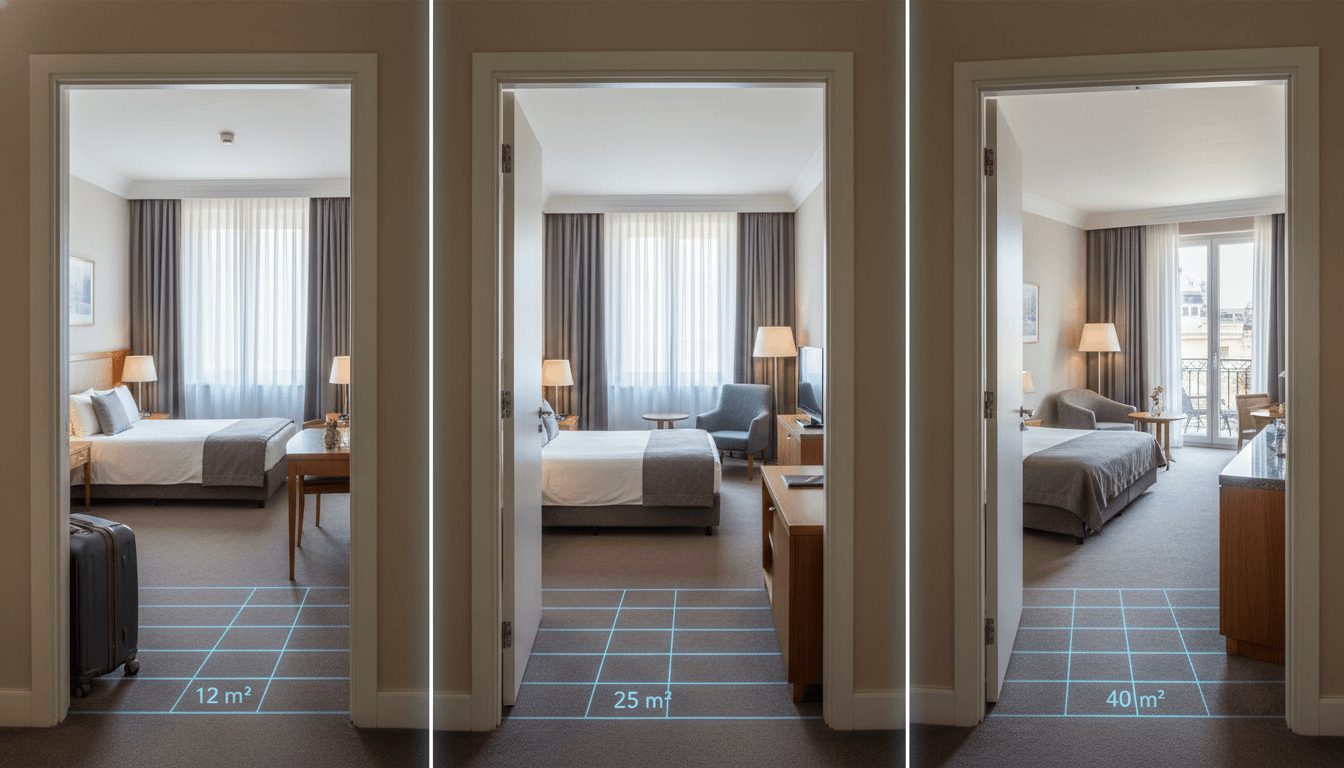
Hotel Room Sizes by Type: From Cozy Singles to Expansive Suites
To make an informed booking, you must understand the terminology used to describe types of hotel rooms size. Here is a breakdown of what to expect:
Standard Rooms
Typical hotel room dimensions for a standard setup usually range between 250 and 350 square feet (23-32 square meters). These rooms typically accommodate a King or two Queen beds. In the U.S., a standard King room often requires slightly less width than a Double-Queen, affecting the total square footage.
Deluxe & Executive Rooms
A step up from the standard, these rooms typically offer 350 to 450 square feet (32-42 square meters). The extra space is often dedicated to a small sitting area, a larger desk, or an upgraded bathroom layout.
Hotel Suites
What is a hotel suite size? This is where variation is most significant.
· Junior Suites: Often defined as a single large room with a sitting area, ranging from 400 to 600 square feet.
· One-Bedroom Suites: These feature a physical separation between the bedroom and living area, typically starting at 500 square feet and reaching up to 800 square feet.
· Presidential Suites: The pinnacle of luxury, these can exceed 1,000 square feet, offering dining rooms, kitchenettes, and multiple bathrooms.
How Hotel Room Sizes Vary by Classification & Star Rating
There is a direct correlation between a hotel's star rating and the physical space provided to guests.
Budget/Economy Hotels (1-2 Stars)
Efficiency is the goal here. You can expect small hotel room solutions where space is maximized for sleeping and basic hygiene. Sizes often range from 150 to 250 square feet. Furniture is minimal, often built-in to save floor space.
Mid-Range Hotels (3 Stars)
Balancing cost and comfort, these properties generally adhere to the standard hotel room dimensions of roughly 300 square feet. This allows for a comfortable workspace and a lounge chair, essential for business travelers.
Full-Service/Luxury Hotels (4-5 Stars)
Luxury hotel room size is a key differentiator. Five-star properties in the U.S. often set a baseline of 375 to 450 square feet for their entry-level rooms. High-end brands prioritize not just the sleeping area but also spacious bathrooms with separate tubs and showers, which consume significant square footage.
Geographical Differences: Hotel Room Sizes Around the World
Geography is perhaps the biggest dictator of space.
· North America: As noted by industry reports from AxisRooms, the U.S. leads in average size, with guests expecting roughly 300+ square feet.
· Europe: Historic city centers in London, Paris, and Rome are notorious for compact living. A standard room here might be 160 to 215 square feet (15-20 square meters). The "double" bed in Europe is often two singles pushed together to fit into these tighter constraints.
· Asia & Oceania: The spectrum is vast. In densely populated cities like Tokyo or Hong Kong, rooms can be as small as 100-150 square feet. Conversely, resort destinations in Thailand or Bali often offer palatial villas exceeding 500 square feet.
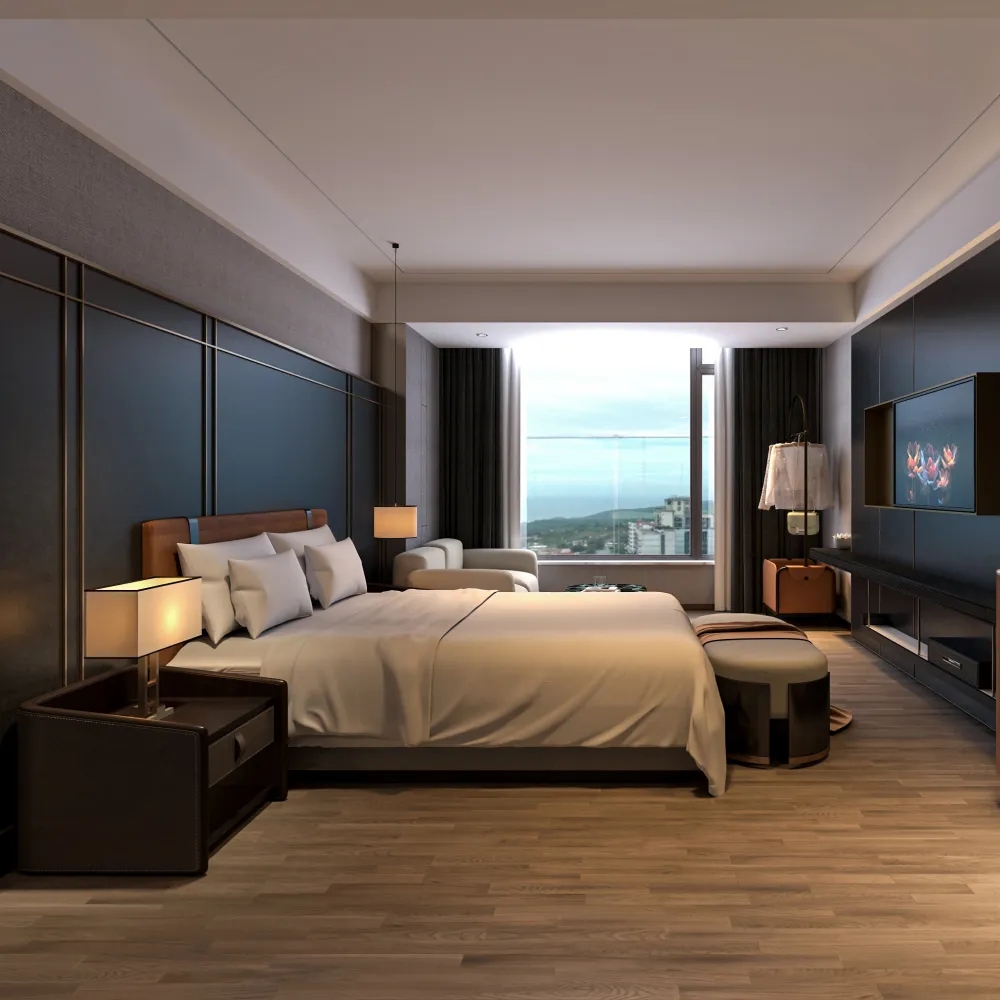
Beyond Square Footage: Maximizing Perceived Space and Comfort
Even if the guest room size guide indicates a smaller footprint, smart hotel room layout design can make a room feel spacious.
· Layout & Furniture: Placing beds against walls or using multi-functional furniture (like desks that double as vanities) opens up flow.
· Lighting: Layered lighting—combining ambient, task, and accent lights—eliminates dark corners that shrink a room visually.
· Mirrors & Glass: Large mirrors and glass shower enclosures extend sightlines, creating an illusion of depth.
· Color Palettes: Light, neutral tones reflect light, whereas dark heavy fabrics can make a room feel closed in.
Accessibility Standards (ADA) and Hotel Room Dimensions
For many travelers, room dimensions are a matter of necessity, not just comfort. The Americans with Disabilities Act (ADA) sets strict guidelines for accessible rooms in the U.S.
According to the 2010 ADA Standards for Accessible Design, published by the Department of Justice, accessible rooms must provide specific clear floor space:
· Turning Space: A circular turning space of at least 60 inches diameter (or a T-shaped space) is required to allow a wheelchair to make a 180-degree turn.
· Clearances: Doors must have a minimum clear width of 32 inches.
· Furniture Access: There must be a clear path of travel (typically 36 inches wide) to accessible elements like the bed, thermostat, and window treatments.
These requirements ensure that hotel room measurements translate into usable, safe environments for all guests.
Choosing the Right Hotel Room Size for Your Trip in 2026
· Solo Travelers: A standard 250 sq ft room is usually sufficient, but business travelers should prioritize layout over raw size to ensure a usable desk is available.
· Couples: While a Queen bed fits in smaller rooms, upgrading to a King often brings a room size increase to 325+ sq ft, providing necessary breathing room.
· Families: Look for "Family Suites" or interconnecting rooms. A single 350 sq ft room with two double beds can feel incredibly tight with luggage and children.
· Extended Stays: For trips longer than a week, prioritize suites with separate living areas (450+ sq ft) to avoid "cabin fever."
The Evolution of Hotel Room Design: Trends for 2026 and Beyond
The hospitality industry is pivoting. We are seeing the rise of micro-hotels (brands like Yotel or Moxy), where rooms may be as small as 150 square feet. These concepts trade private square footage for expansive, high-tech communal spaces.
Conversely, the "bleisure" (business + leisure) trend is pushing for smart room technology and modular furniture in mid-range hotels, allowing the same typical hotel room dimensions to serve as both an office and a bedroom without feeling cluttered.
Tips for Booking and Confirming Hotel Room Sizes
1. Check the "Room Details": Most booking engines and official hotel websites now list the approximate square footage or meters.
2. Look for Floor Plans: High-end hotels often publish floor plans. If they are missing, it might indicate the room is on the smaller side.
3. Read Reviews Strategically: Search guest reviews for keywords like "tiny," "cramped," or "spacious."
4. Call the Front Desk: Ask specifically: "What is the square footage of the Deluxe King versus the Standard King?" Front desk agents usually have this data on hand.
Frequently Asked Questions
What is the standard hotel room size in square feet?
While there is no single global standard, the average hotel room in the U.S. typically ranges from 250 to 400 square feet (23-37 square meters). In Europe, the average is often smaller, hovering around 160 to 215 square feet.
How do hotel room sizes vary between budget and luxury hotels?
Budget hotels maximize efficiency with rooms often between 150 and 250 square feet. Luxury hotels (4-5 stars) prioritize space as a premium amenity, with standard rooms often starting at 375 to 450 square feet and featuring larger bathrooms and dedicated sitting areas.
Are hotel rooms in Europe generally smaller than in the US?
Yes. Due to older city infrastructures, historic preservation laws, and higher land costs, European hotel rooms are generally about 30% smaller than their U.S. counterparts. A "spacious" room in Paris might be considered standard or small in Texas.
What is the typical size of a hotel suite?
Suites vary drastically. A Junior Suite (often just a larger room with a sofa) typically ranges from 350 to 500 square feet. A full One-Bedroom Suite usually starts at 500 square feet and can exceed 1,000 square feet for luxury or presidential categories.
How can I find out the exact room size before booking a hotel?
Always check the specific room description on the hotel's official website, which is more likely to have accurate dimensions than third-party booking sites. If not listed, call the hotel directly. Floor plans and virtual tours are also excellent resources.
Does the type of bed affect the perceived or actual room size?
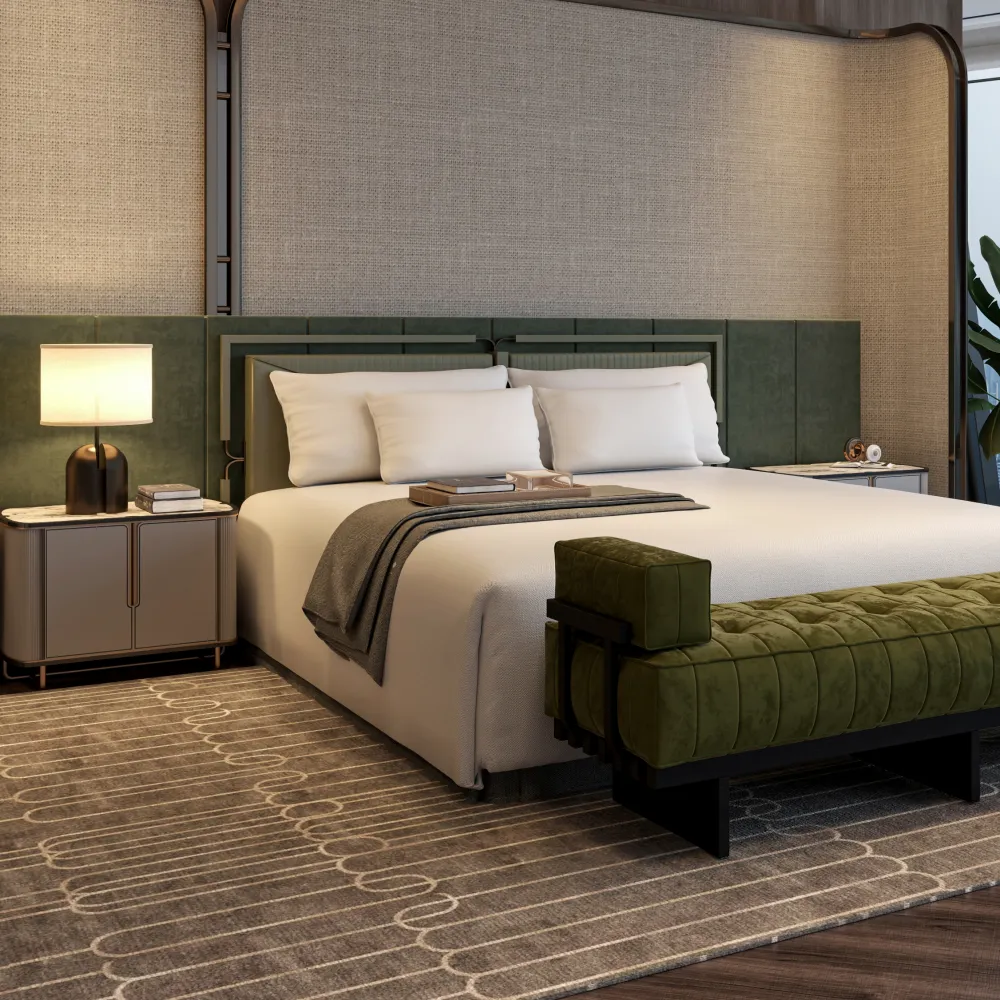
Yes. A King bed takes up significantly more floor space (roughly 42 sq ft) than a Queen (33 sq ft). In a smaller room (e.g., 250 sq ft), a King bed can significantly reduce usable walking space, making the room feel smaller despite the square footage remaining constant.
What are micro-hotels and how do their room sizes compare?
Micro-hotels are a growing trend focusing on efficiency and communal spaces. Their rooms are exceptionally compact, often ranging from 100 to 200 square feet. They utilize smart design, like lofted beds or fold-away furniture, to maximize utility in a small footprint.
What are ADA standards for hotel room sizes?
ADA standards require accessible rooms to have specific maneuvering clearances, such as a 60-inch turning radius for wheelchairs and at least 32 inches of clear width at doorways. While they don't mandate a total room size, these clearance requirements effectively often result in slightly more spacious layouts to accommodate movement.
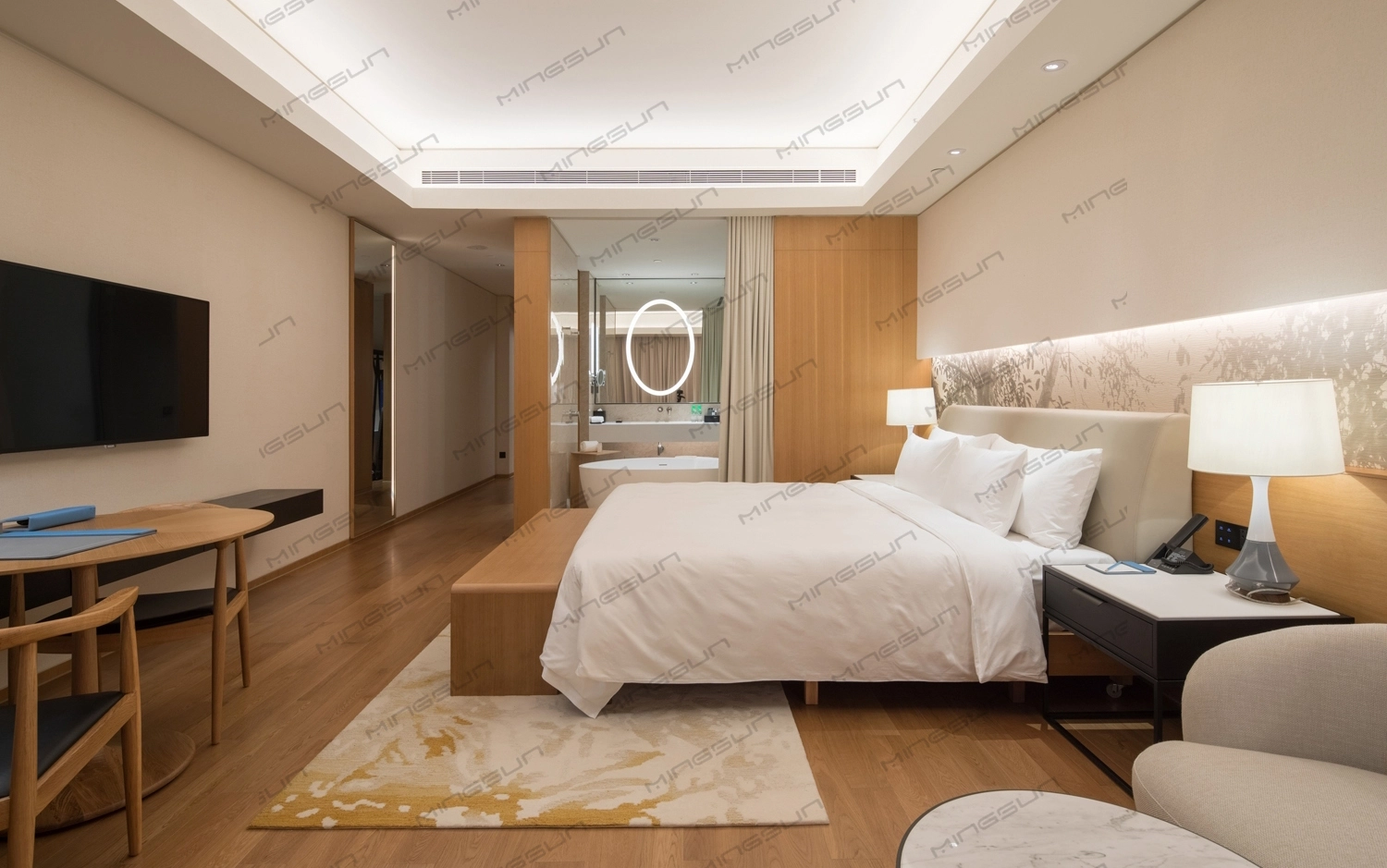
The Complete List of Hotel Guest Room Furniture for 2026

what is a standard hotel room size | MINGSUN Guide

Unlocking Opulence: The Ultimate Guide to Luxury Hotel Room Layouts for 2026 & Beyond
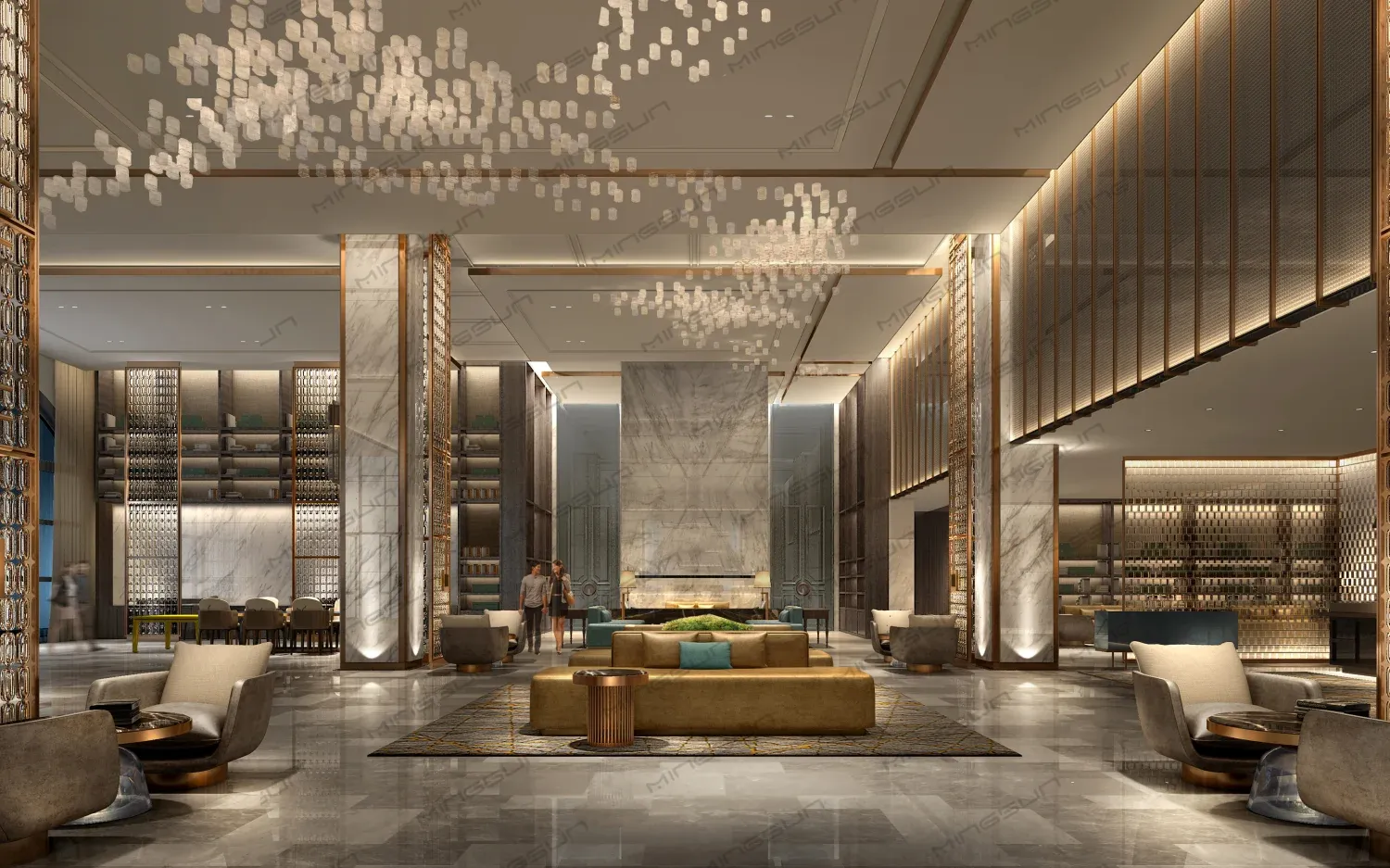
How to Design a Hotel Lobby: Key Elements, Furniture Ideas, and Custom Solutions
Product Scope & Application Areas
What types of hotel furniture can Mingsun provide?
Do you provide samples?
Materials, Craftsmanship & Quality Control
What materials are commonly used for hotel furniture?
How are quality issues handled?
Customization Capability & Design Support
What is your customization process?
Make an appointment with us today
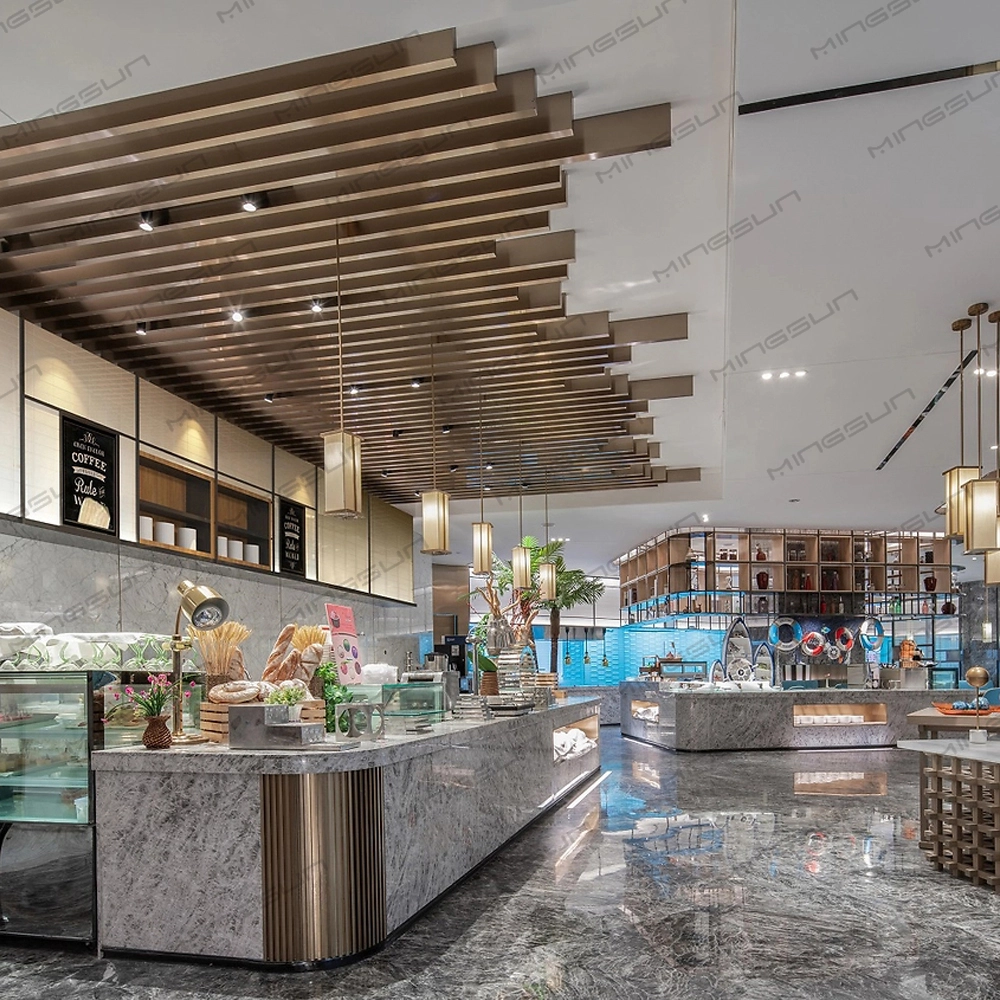
Modern Hotel Dining Furniture Set-Custom Designed Wooden Tables, Upholstered Chairs & Banquette Seating
Create a lasting impression with our custom-designed hotel dining furniture set, crafted for modern luxury hotels and upscale restaurants.
Featuring elegant wooden tables, ergonomic blue-upholstered chairs, and built-in banquette seating, this collection blends comfort, style, and durability.
As a leading manufacturer in Guangzhou, we deliver end-to-end solutions - from concept design and 3D visualization to production and global shipping - all at factory-direct prices.
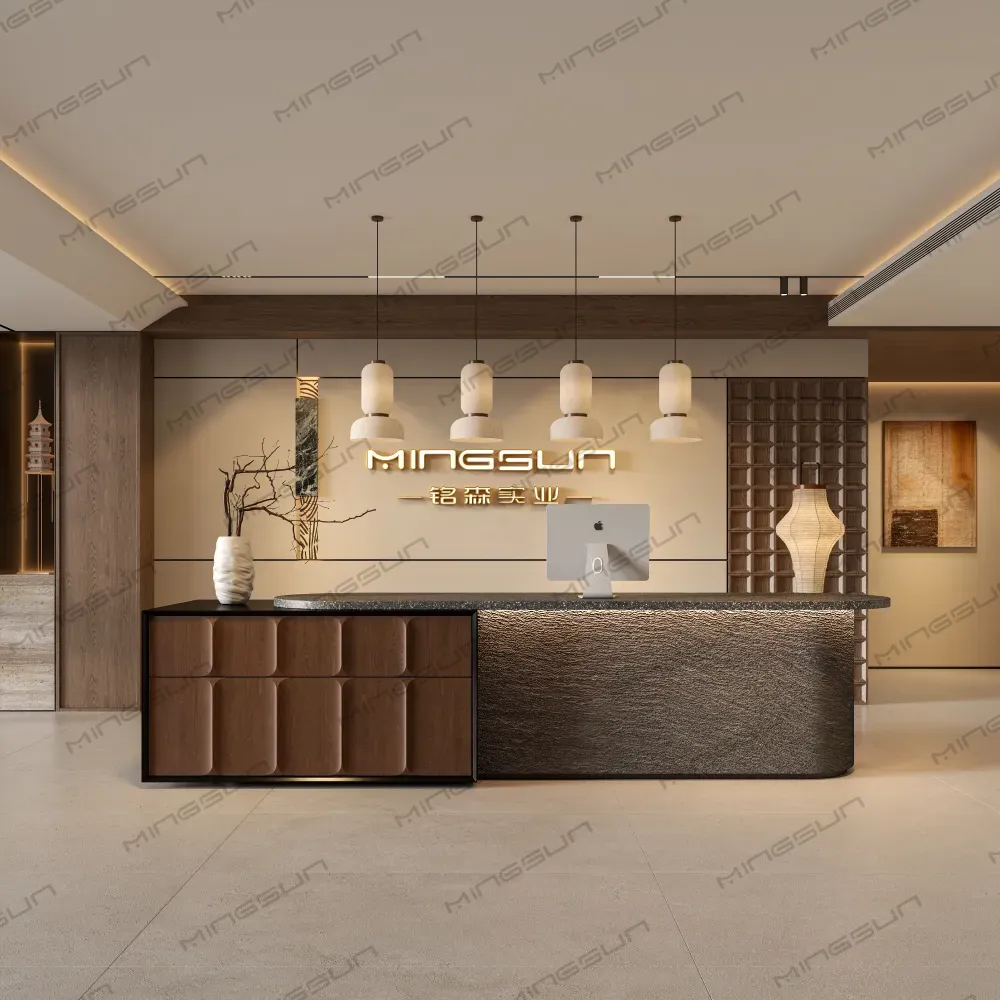
Luxury Textured Stone & Walnut Veneer Reception Desk with 3D Relief Detailing
Create a sophisticated, organic atmosphere in your hotel lobby or boutique showroom with this avant-garde reception desk. Combining the raw beauty of nature with refined craftsmanship, this desk features a striking contrast between materials. The main body showcases a dark, hammered-texture stone facade that offers a tactile, rugged elegance, topped with a polished grey terrazzo-style counter. This is seamlessly integrated with a rich walnut wood storage module, defined by its unique 3D pill-shaped relief carving on the drawer fronts. Soft, warm LED lighting concealed beneath the countertop edge highlights the textured stone surface, adding depth and warmth to the reception area.
Crafted by MINGSUN, a specialist in bespoke hospitality furniture, this piece is designed to be the focal point of high-end interiors. From our Guangzhou manufacturing hub, we deliver precision-engineered furniture to hotels worldwide. We offer a seamless experience from design customization to DDP global delivery and video-guided installation.
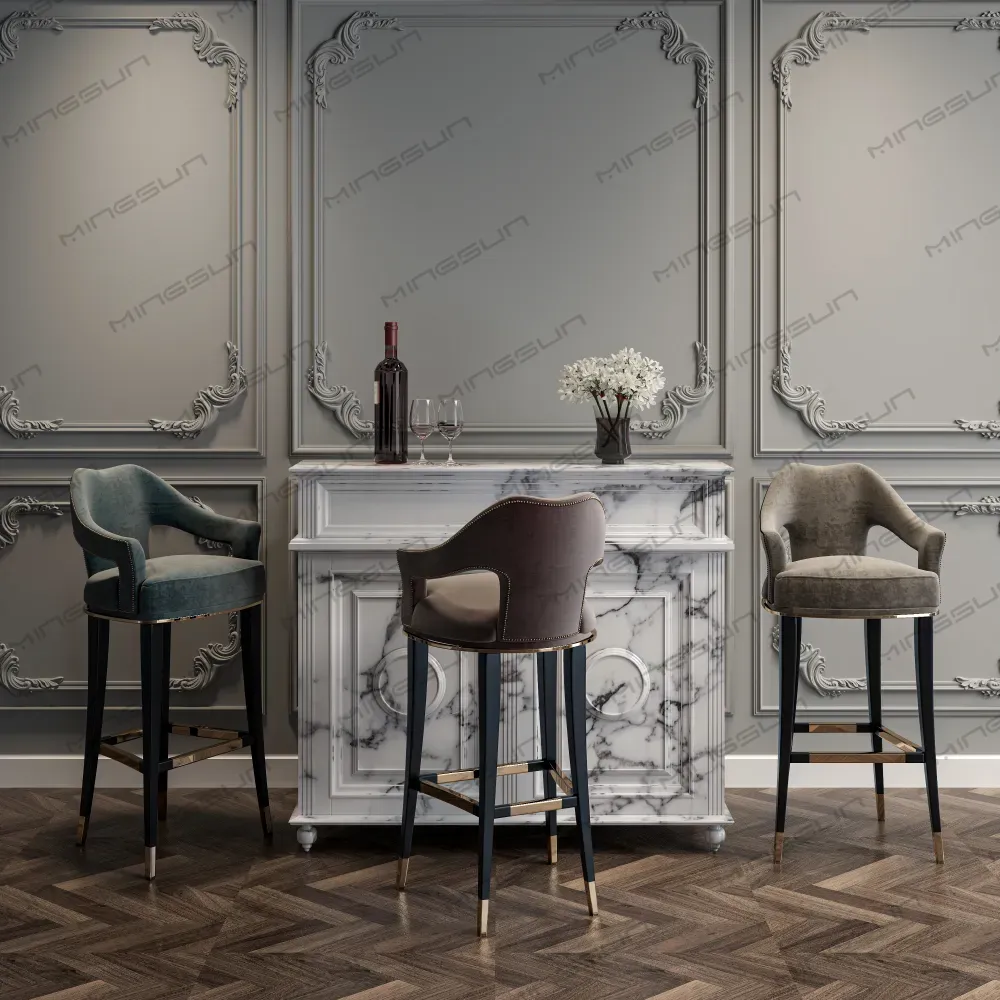
Luxury Velvet Bar Stool with Armrests & Brushed Brass Accents for Hotel Lounges and Bars
Elevate your hotel’s bar or lounge area with this opulent bar stool, where plush comfort meets sophisticated design. Upholstered in rich, deep-brown velvet, its sculptural back and integrated armrests offer ergonomic support, while the slender black metal frame is accented with polished brass at the feet and crossbars for a touch of timeless elegance. Perfect for high-end hospitality spaces, this stool combines refined aesthetics with durable construction, inviting guests to linger in style at your counter or cocktail station.
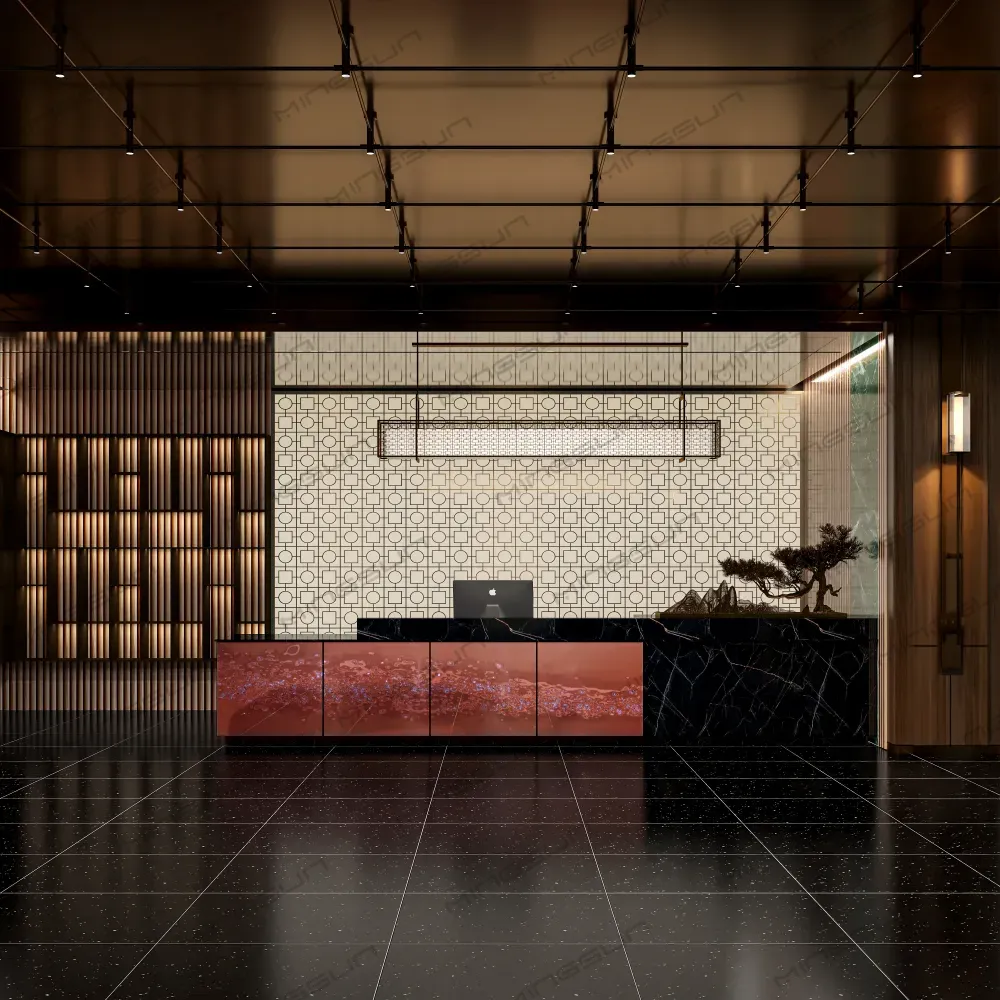
Luxury Reception Desk with Black Marble Top & Illuminated Copper-Resin Front Panels
Make a bold, unforgettable statement at your hotel’s entrance with this avant-garde reception desk. Its sleek black marble top exudes timeless sophistication, while the front facade features mesmerizing, internally lit copper-resin panels that glow with a warm, amber radiance, creating a dynamic visual centerpiece. Designed for both form and function, the unit offers ample concealed storage behind seamless doors and integrates a dedicated staff workstation with cable management. This is more than a check-in counter—it’s a sculptural installation that defines the luxury and artistry of your brand.
Get more industry insights
Looking for the right solution? Fill out the form and get a free quote.
Our experts will respond quickly with personalized options that fit your needs.
MINGSUN is a design-driven hotel furniture manufacturer offering OEM/ODM services, custom solutions, and global project support.
Built for wholesalers. Trusted by global buyers. Delivered with confidence.
Phone:
E-mail:
Follow us ——
 Scan QR Code
MINGSUN
MINGSUN
MINGSUN
MINGSUN
MS Custom Hotel Furniture Supplier